Pacific Coast City and County
Welcome to San Francisco, the city and county on the northern tip of the San Francisco Peninsula, framed by the Pacific Ocean and San Francisco Bay and known for its hills, neighborhoods, and global technology economy.
San Francisco occupies a compact, roughly 47-square-mile peninsula at the northern end of the San Francisco Peninsula, with the Pacific Ocean on one side and San Francisco Bay on the other. It is unusual among American cities in being a consolidated city and county, governed under a single charter and functioning as its own county government. The city traces its modern identity to the California Gold Rush of 1848–49, when it exploded from a small settlement into the principal port and financial center of the West Coast. That mercantile and financial foundation evolved over the twentieth century into a diversified economy anchored by banking, tourism, and, most prominently in recent decades, technology. San Francisco is the cultural and residential core of the broader Bay Area and sits at the northern edge of Silicon Valley, home to a dense ecosystem of software, biotech, and venture-backed companies. Institutions such as the University of California, San Francisco bring a substantial healthcare and research workforce to the city. The city is defined physically by its hills, its grid of distinct neighborhoods, and its famously varied microclimates, with fog rolling through the western avenues while eastern districts stay sunnier. Roughly 825,000 people live within the city limits, making it the fourth most populous city in California. San Francisco attracts a cosmopolitan mix of long-time residents, young professionals, families, and newcomers, and its housing is among the most sought-after and constrained in the country. Despite its density and urban energy, the city devotes extensive land to parks and open space, from Golden Gate Park to the Presidio and oceanfront beaches, and it was the first city in the nation where every resident lives within a ten-minute walk of a park.
San Francisco is both. It is a consolidated city and county, meaning it operates under a single government that performs the functions of both a city and a county. This is why city and county statistics are reported together for San Francisco.
San Francisco has roughly 825,000 residents, making it the fourth most populous city in California. It sits on a compact peninsula of about 47 square miles, giving it one of the highest population densities among major U.S. cities.
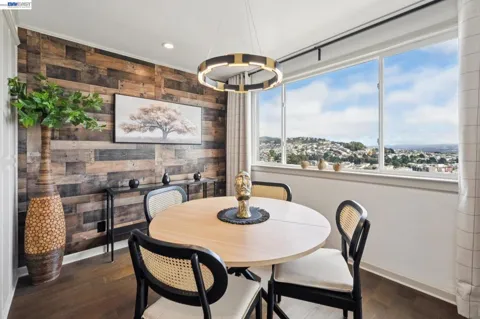
San Francisco is served by the San Francisco Unified School District (SFUSD), the seventh-largest school district in California, educating roughly 50,000 students across more than 100 schools. SFUSD also administers the county office of education because the city and county are one jurisdiction.
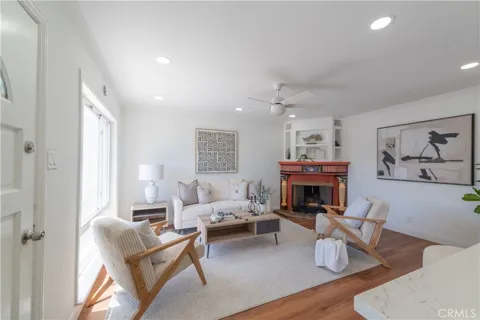
Residents use Muni buses, light rail, streetcars, and cable cars for local travel, and BART for regional trips to the East Bay, the Peninsula, and the airports. Caltrain and bay ferries serve commuters, and many residents walk, bike, or go without a car given the city's compact layout.
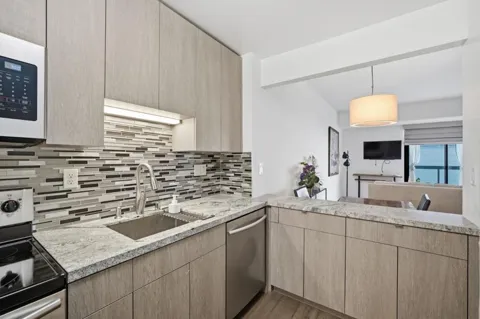
San Francisco is known for its hills, Victorian architecture, fog, and diverse neighborhoods, as well as its role as a global technology and financial center at the edge of Silicon Valley. Golden Gate Park, the Golden Gate Bridge, and its food and arts scenes are among its defining features.
City Guide
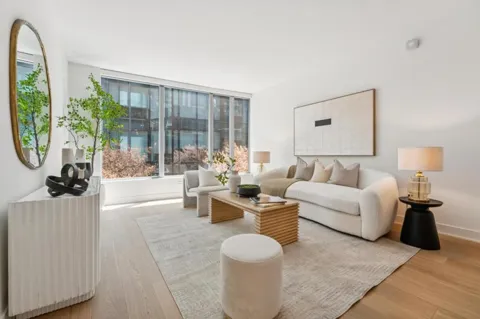
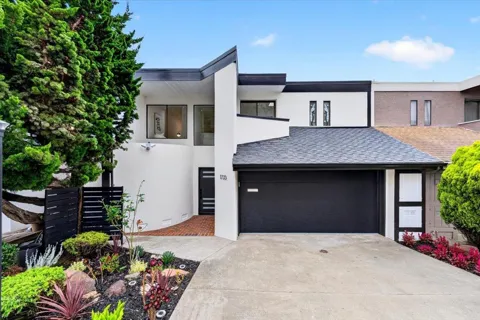
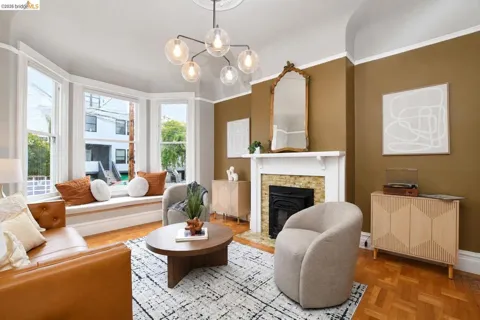
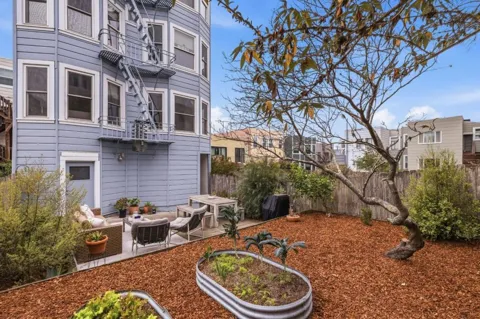
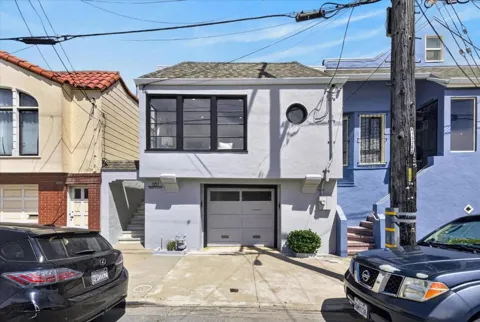
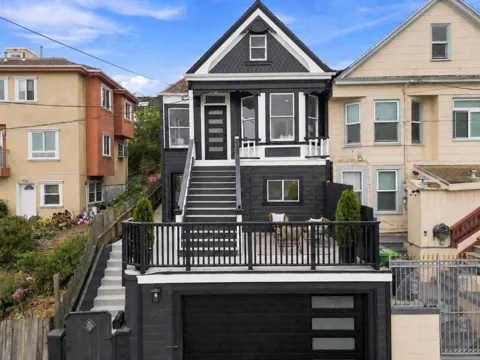
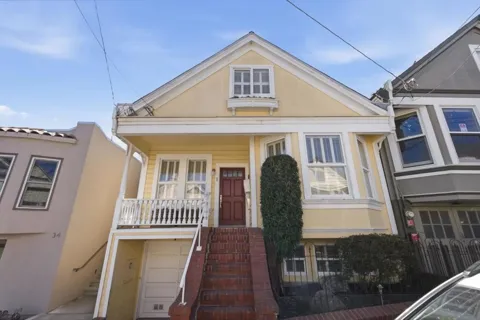
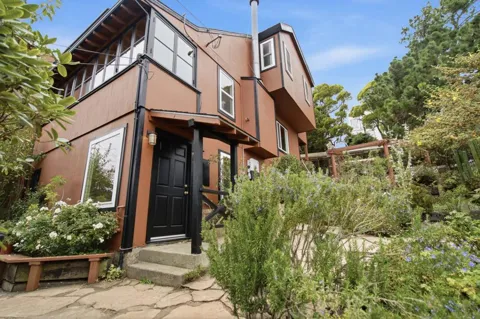
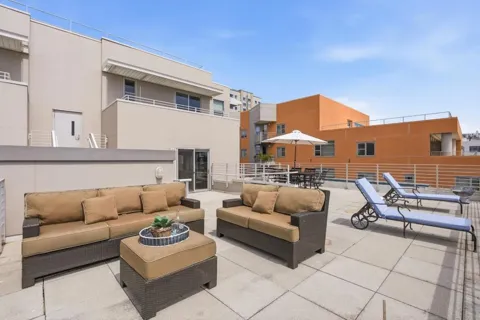
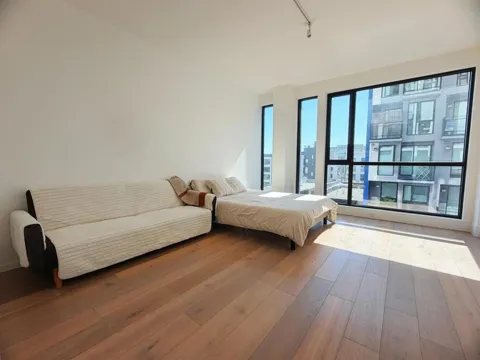
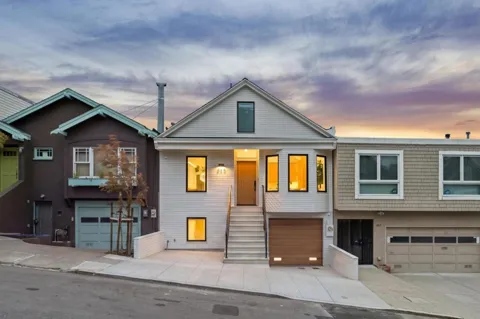
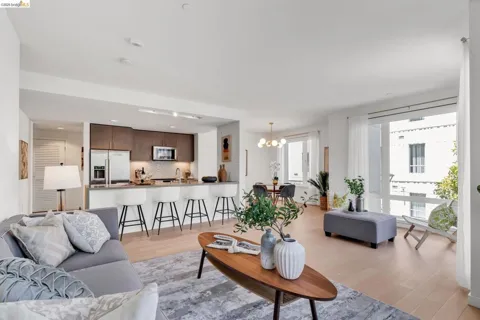
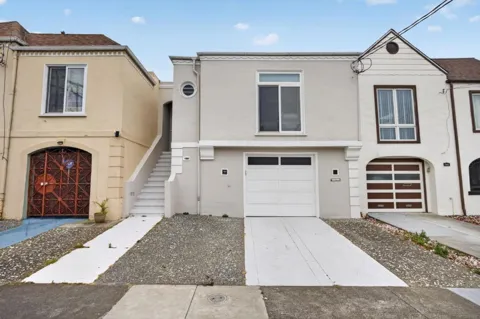
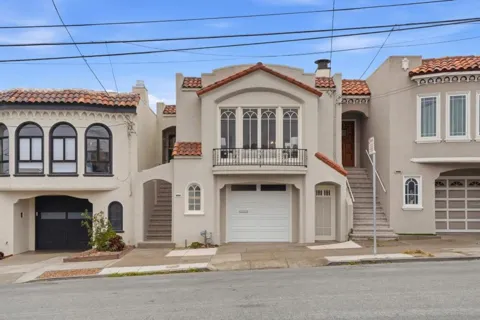
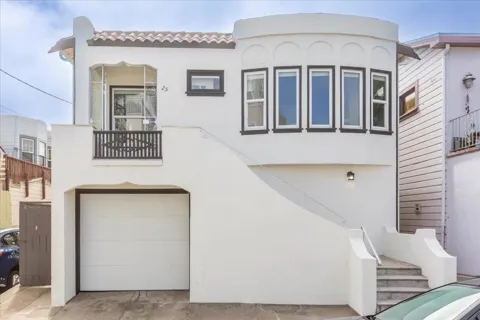
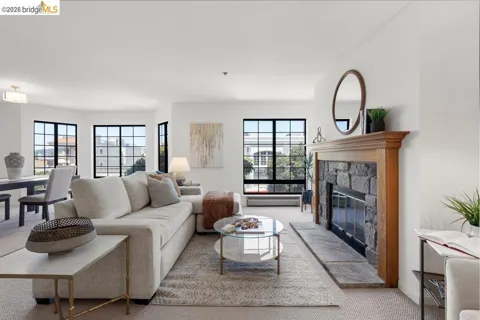
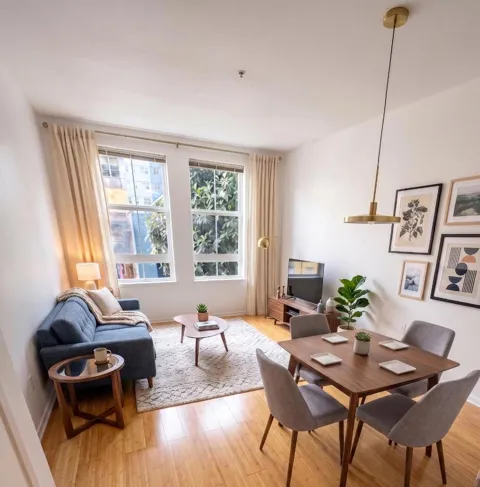
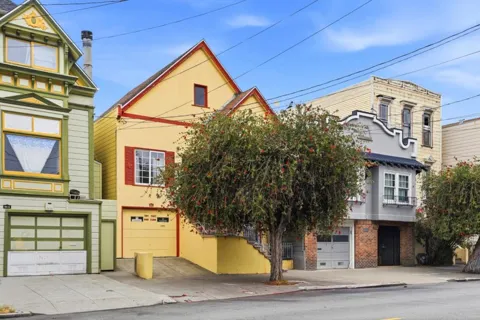
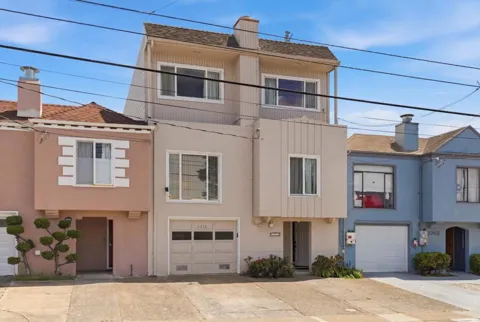
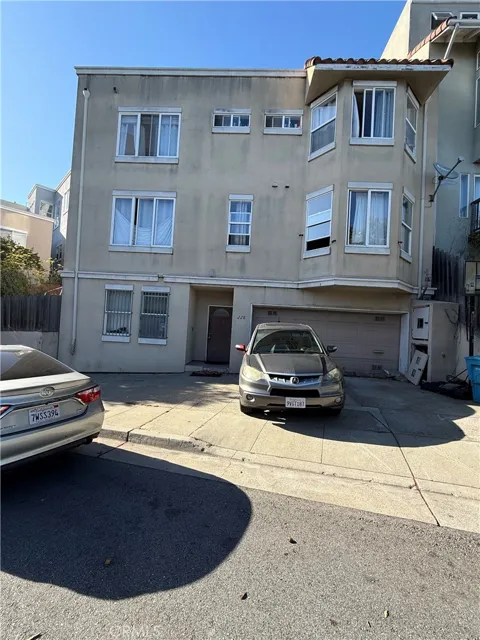
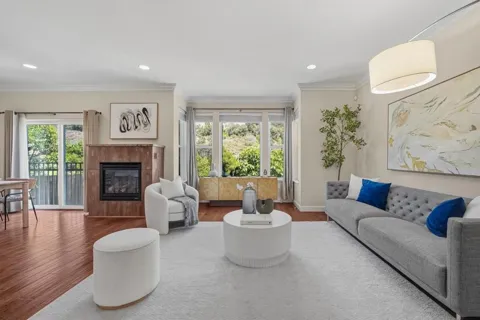
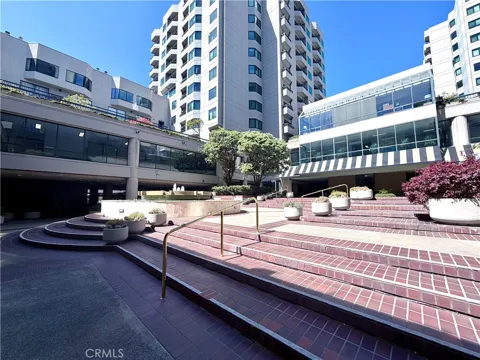
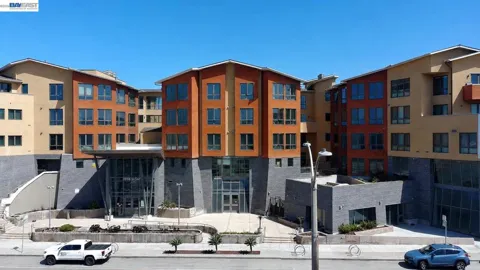
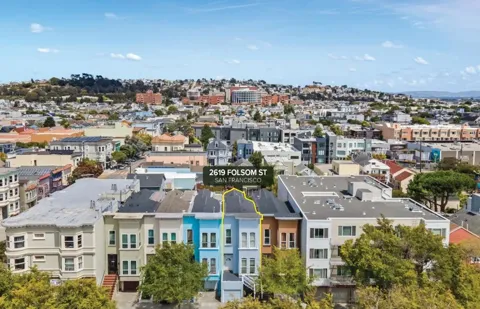
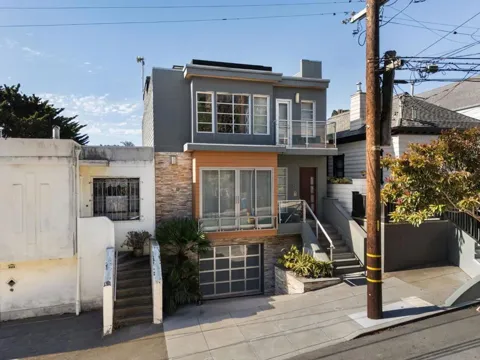
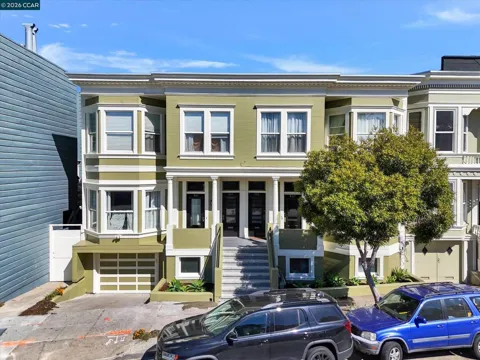
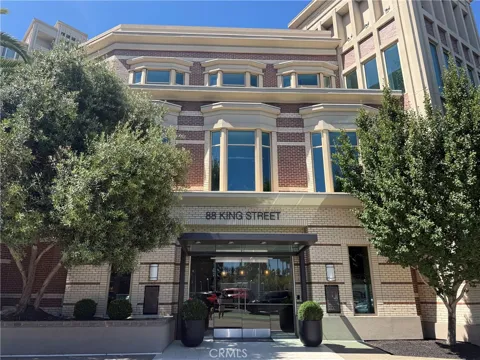
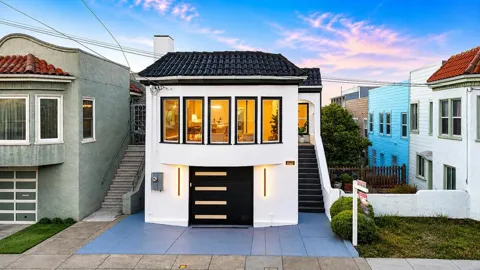
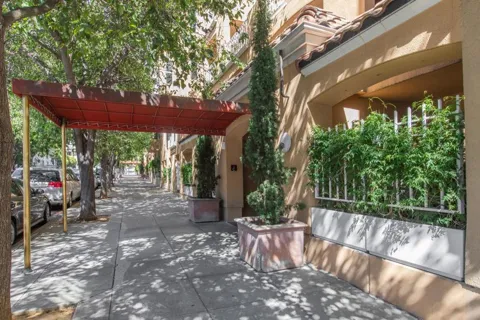
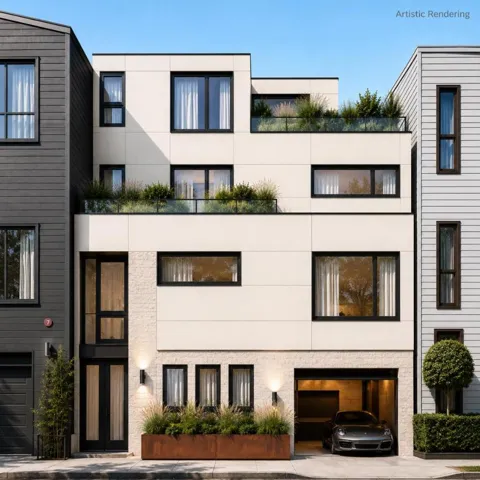
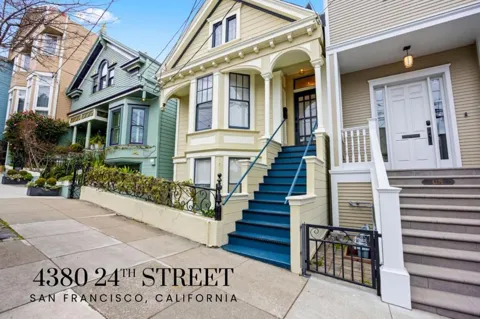
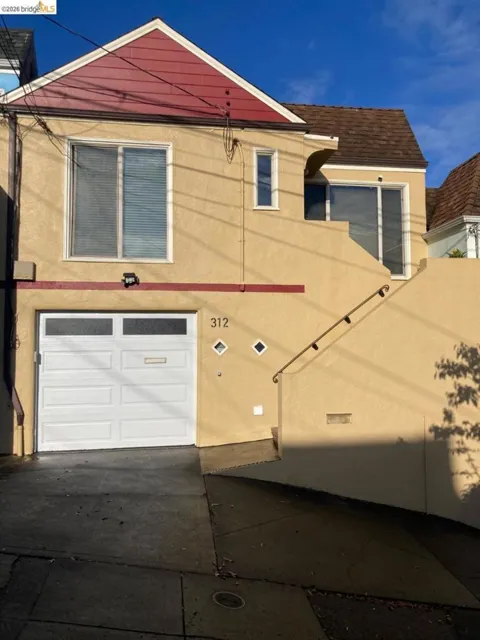
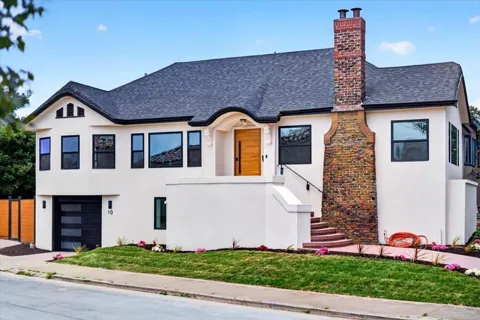
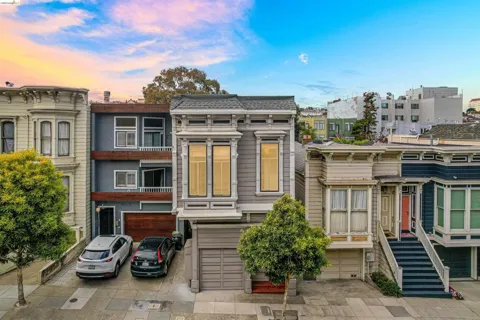
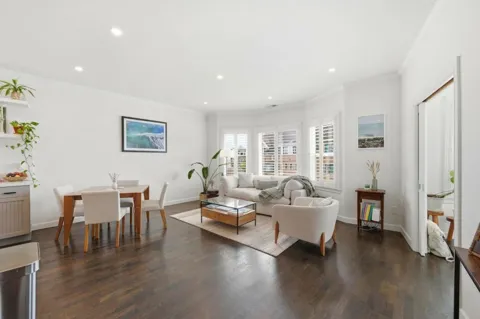
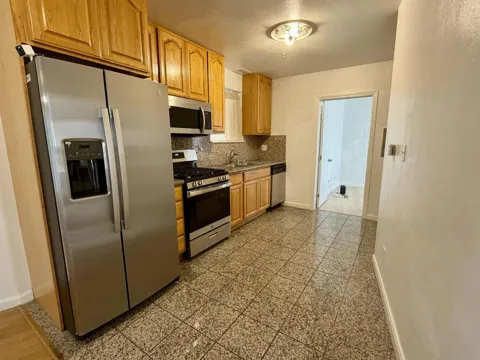
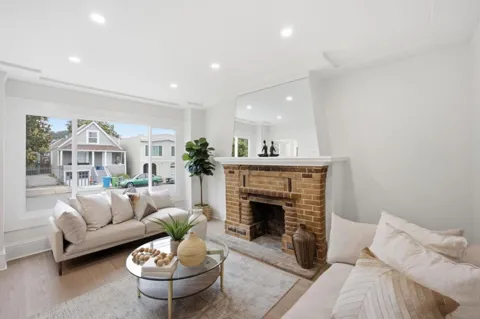
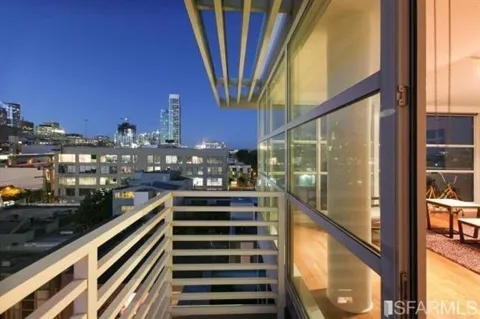
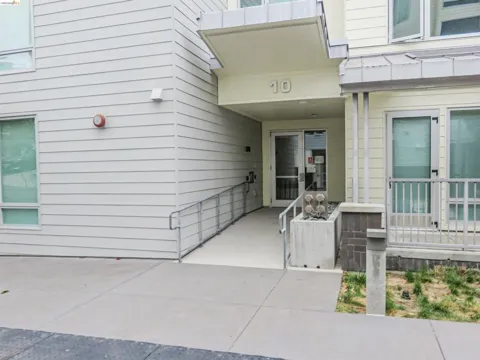
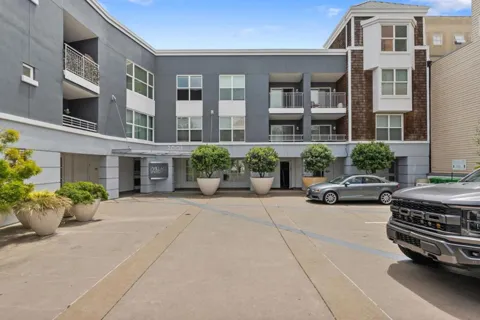
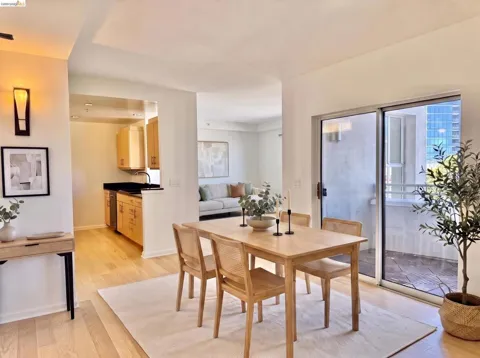
San Francisco's housing stock is among the most architecturally distinctive in the United States. The city is famous for its rows of Victorian and Edwardian houses, many painted in the bright hues that define the "Painted Ladies" aesthetic, concentrated in neighborhoods such as the Mission, Noe Valley, Haight-Ashbury, and Pacific Heights. Alongside these are dense blocks of apartment buildings, mid-rise condominiums, and, in downtown and South of Market, modern high-rise towers. The city's geography and strict development controls have kept housing supply tight, which shapes the market's character: units are generally smaller and denser than in suburban California, and buyers frequently weigh condominiums, co-ops, and tenancy-in-common arrangements against the single-family homes that command a premium. Neighborhood character varies block by block, with fog, sun exposure, and hill views all influencing desirability. Compared with the surrounding Bay Area suburbs, San Francisco offers walkability, transit access, and an urban lifestyle in exchange for less square footage and outdoor space per home.
San Francisco is a city of neighborhoods, each with a distinct identity. The Mission District is known for its Latino cultural roots, murals, and celebrated food scene, while the Castro is a historic center of LGBTQ+ life. Noe Valley and Glen Park offer quieter, village-like streets with strong access to transit, and Pacific Heights and the Marina are known for their grand homes and views of the bay and Golden Gate Bridge. The Richmond and Sunset districts stretch across the western, foggier half of the city, with the Richmond bordering Golden Gate Park and the Sunset running toward Ocean Beach. Elsewhere, neighborhoods such as Russian Hill, North Beach, and Nob Hill carry the city's older history, while South of Market (SoMa), the Mission Bay waterfront, and Dogpatch have absorbed much of the city's newer residential and technology-office development. The financial district and Union Square anchor downtown commerce, and districts such as Bernal Heights and Potrero Hill offer hillside homes with sweeping views. For homebuyers, neighborhood choice is often driven as much by microclimate and transit access as by housing type.
San Francisco offers an urban, walkable lifestyle with an outsized cultural footprint for a city of its size. Dining is a defining feature, from neighborhood taquerias and dim sum houses to nationally recognized restaurants, and the city's coffee, farmers' market, and craft-beer cultures are deeply embedded. The arts are similarly prominent: the de Young Museum and California Academy of Sciences sit within Golden Gate Park, while the San Francisco Museum of Modern Art, the symphony, ballet, and opera anchor the performing and visual arts downtown. The city's population is notably diverse and internationally connected, with large Asian American and Latino communities shaping food, festivals, and neighborhood life. The climate is Mediterranean and mild year-round, though famously variable by district, with summer fog along the coast and warmer, sunnier conditions in eastern neighborhoods. Residents spend substantial time outdoors — on park lawns, along the waterfront Embarcadero, and on trails in the Presidio — and the city's compact size makes walking and cycling practical daily habits. The pace is fast and professional in the downtown core, but residential districts often feel more like small towns stitched together by the hills.
Public education in San Francisco is provided by the San Francisco Unified School District (SFUSD), which also administers the San Francisco County Office of Education because the city and county are one jurisdiction. SFUSD is the seventh-largest school district in California, educating roughly 50,000 students across more than 100 schools. The district uses an enrollment system in which families rank preferences across the city rather than being strictly assigned to a single neighborhood school, a feature that families relocating to the city should understand early in the process. Alongside SFUSD, San Francisco has a substantial network of private, parochial, and independent schools, reflecting the city's wealth and diversity. The University of California, San Francisco and San Francisco State University provide higher education, and the broader Bay Area offers additional college options. For families, school choice, commute logistics, and the district's citywide assignment system are among the key considerations when choosing a neighborhood.
San Francisco has one of the most comprehensive public transit systems of any U.S. city its size. Muni, operated by the San Francisco Municipal Transportation Agency, runs buses, light-rail Metro lines, historic streetcars, and the famous cable cars, providing dense local service across the city. BART (Bay Area Rapid Transit) is the regional heavy-rail system, connecting San Francisco under Market Street to the East Bay, the Peninsula, and both San Francisco International and Oakland International airports. Caltrain serves the Peninsula corridor to San Jose, with transfers at Millbrae, and ferries link the city to communities across the bay. Driving and parking are notoriously constrained, and many residents go car-free or car-light, relying on transit, cycling, and walking. The city's compact grid and dedicated bike lanes make cycling a practical commuting option, and San Francisco International Airport is reachable directly on BART. Freeways such as U.S. 101 and Interstate 280 enter the city from the south, while the Golden Gate Bridge and Bay Bridge connect to the North Bay and East Bay respectively. The result is a city where transit access is a central factor in neighborhood desirability.
San Francisco pairs dense urban living with exceptional access to parks and open space. Golden Gate Park, more than 1,000 acres stretching from the Haight to Ocean Beach, contains gardens, lakes, athletic fields, and major cultural institutions including the de Young Museum, the California Academy of Sciences, the Japanese Tea Garden, and the Conservatory of Flowers. The Presidio, a former military post now part of the Golden Gate National Recreation Area, offers forested trails, overlooks, and the approach to the Golden Gate Bridge. Along the Pacific shore, Ocean Beach and Baker Beach provide surf and sand, while the bay side features the waterfront Embarcadero and Crissy Field. The city's park system includes neighborhood playgrounds, recreation centers, pools, and golf courses, and San Francisco became the first city in the nation where every resident lives within a ten-minute walk of a park. Beyond the city, weekend recreation extends to Marin County's Mount Tamalpais, the wine country, and the Pacific Coast, making San Francisco a hub for both urban and outdoor life.
MARKET SNAPSHOT
How homes have been selling here over the last 90 days.
Market data reflects closed sales over the last 90 days and is provided for informational purposes.
BROWSE BY ZIP
Browse listings by postal code in this area.