East Bay Waterfront City
Welcome to Richmond, a Contra Costa County city on San Francisco Bay, where a deepwater port, the Rosie the Riveter home front legacy, and miles of shoreline parks meet BART and ferry access to San Francisco.
Richmond is a city in Contra Costa County, California, on the eastern shore of San Francisco Bay. With a population of about 116,000, it is one of the East Bay's larger cities and a significant industrial and transportation center, positioned directly across the bay from San Francisco and Marin County. Its deepwater port, oil refinery, and waterfront neighborhoods have long defined its economy and identity. The city's modern history is inseparable from World War II. Richmond's shipyards, operated by Henry J. Kaiser and others, became one of the largest shipbuilding complexes in the nation, drawing tens of thousands of workers to build Liberty and Victory ships. That home-front story is preserved at the Rosie the Riveter WWII Home Front National Historical Park, whose visitor education center on the Richmond waterfront tells the story of the workers, many of them women and people of color, who reshaped the city during the war. After the war, Richmond transitioned toward a mixed industrial, port, and residential economy. Today the Chevron Richmond Refinery and the Port of Richmond anchor the city's industrial base, while redevelopment has transformed portions of the shoreline into new housing and civic space. The Ford Point waterfront, site of a historic Ford assembly plant, now hosts an industrial park and event space, and the Richmond Ferry Terminal provides commuter service to San Francisco. BART's Richmond station is the northern terminus of the Richmond Line, and Amtrak's Capitol Corridor also stops in the city, making Richmond a genuine transit hub for the East Bay. Recreation is one of Richmond's strongest assets. Point Pinole Regional Shoreline, Miller/Knox Regional Shoreline, and Wildcat Canyon Regional Park, which spans more than 2,000 acres of hills and trails, offer extensive open space, while the San Francisco Bay Trail links the waterfront and marina. The city's parks, hills, and shoreline give residents immediate access to the outdoors within an urban setting. For households, Richmond combines Bay Area transit access, waterfront recreation, and a diverse, history-rich community. It suits those who want proximity to San Francisco, Berkeley, and Oakland without the premium pricing of neighboring cities, and who value the city's industrial heritage, parks, and evolving neighborhoods.
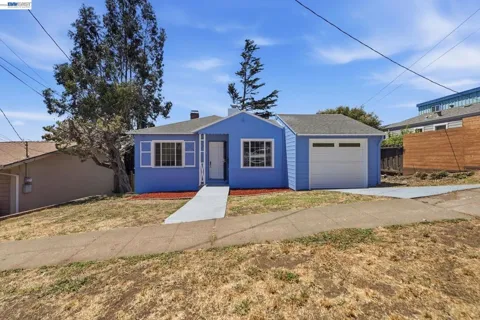
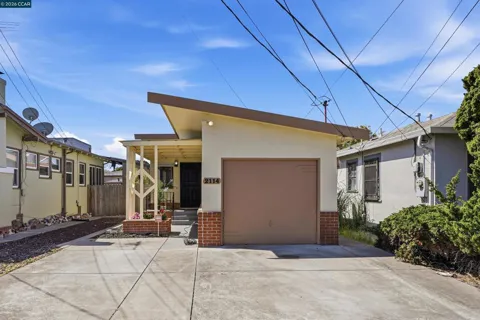
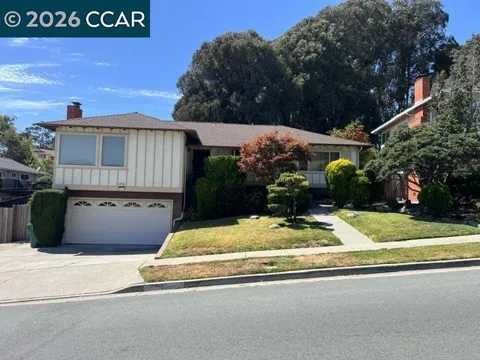
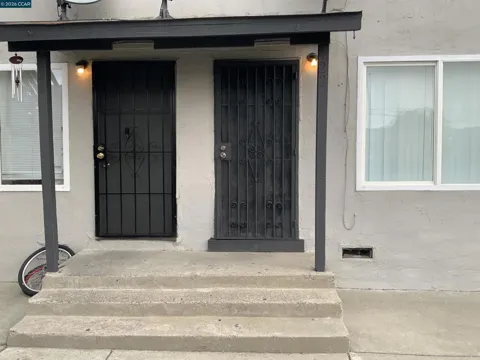
Richmond is in Contra Costa County, California, on the eastern shore of San Francisco Bay. It lies across the bay from San Francisco and Marin County, with a population of about 116,000.
Richmond is roughly 23 minutes from San Francisco by BART or ferry across the bay. The city's Richmond Ferry Terminal provides commuter service to San Francisco, and BART's Richmond station is the northern terminus of the Richmond Line.
Richmond is known for its World War II shipbuilding history, preserved at the Rosie the Riveter WWII Home Front National Historical Park, along with the Chevron Richmond Refinery and the deepwater Port of Richmond. Its shoreline parks and Bay Trail are also major draws.
Richmond is served by the West Contra Costa Unified School District for K-12 education. The city also has higher-education access through nearby institutions across the East Bay and San Francisco.
Richmond's parks include Point Pinole Regional Shoreline, Miller/Knox Regional Shoreline, and Wildcat Canyon Regional Park, which spans more than 2,000 acres with hiking trails. The San Francisco Bay Trail connects many of these shoreline open spaces.
City Guide
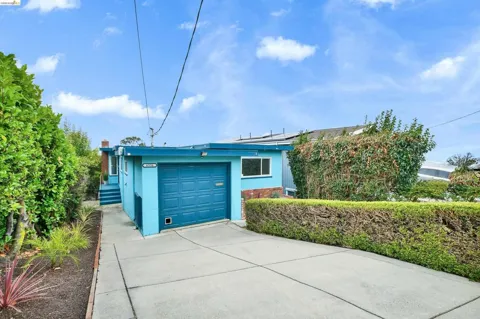
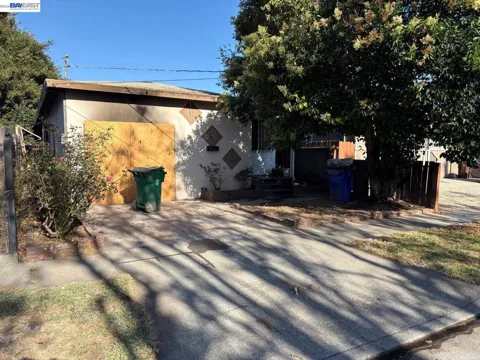
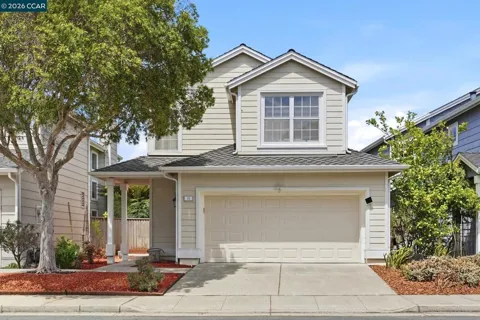
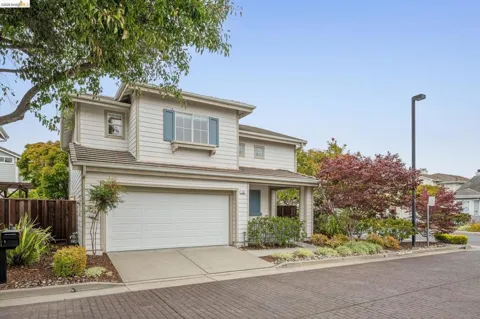
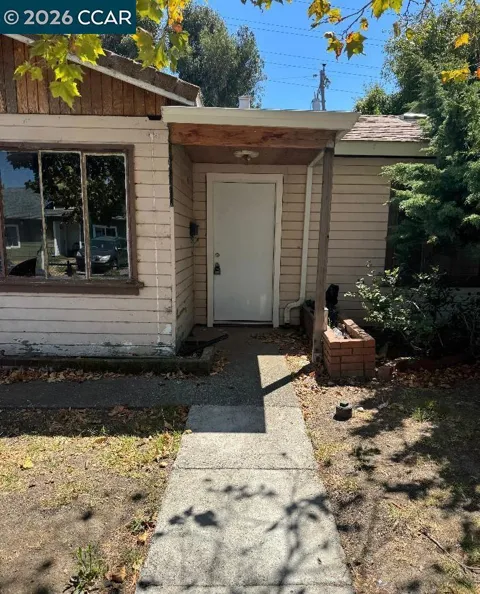
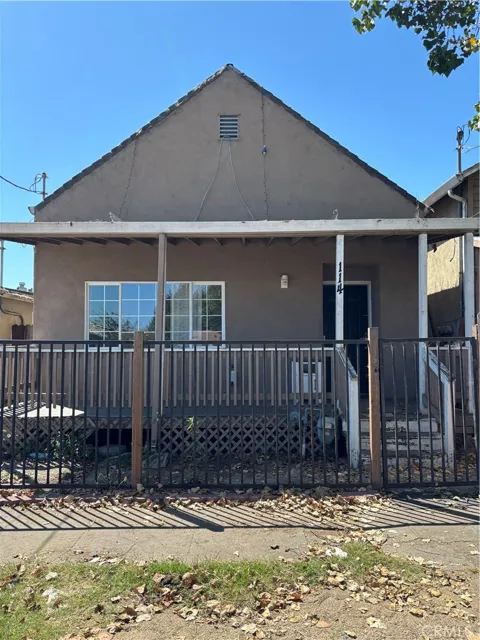
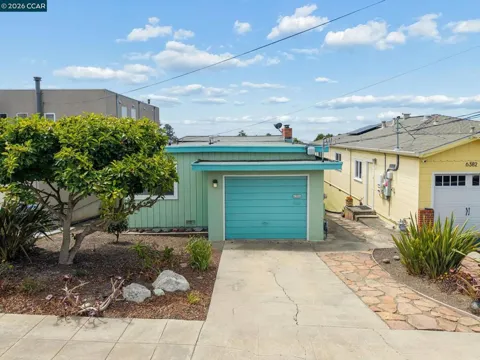
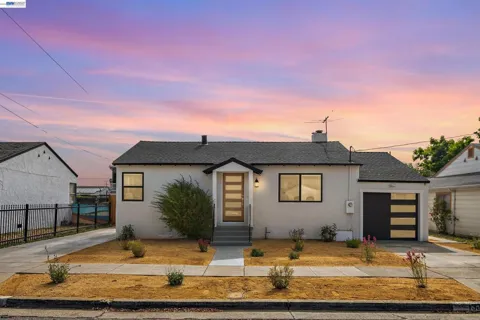
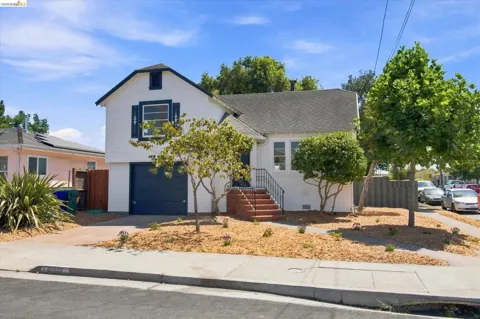
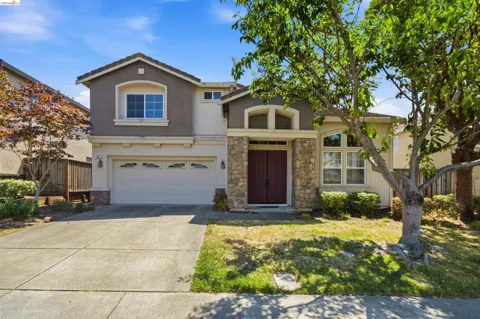
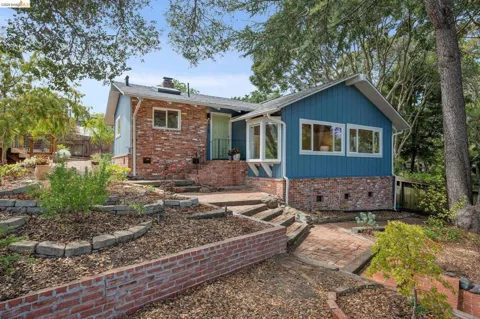
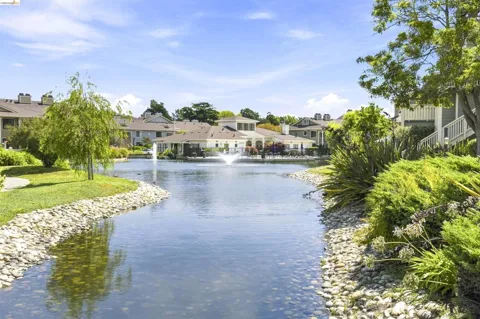
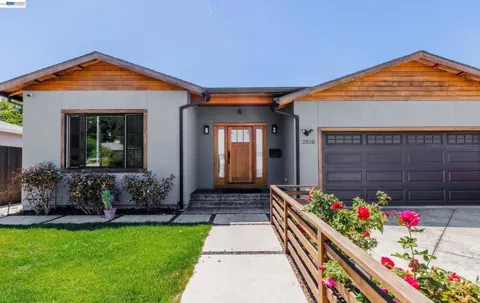
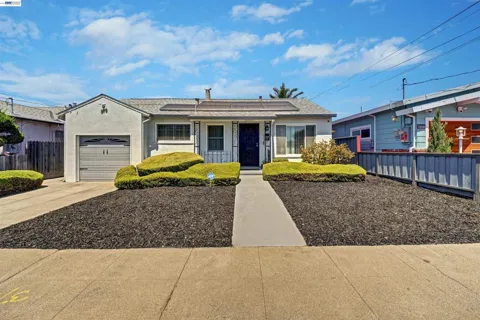
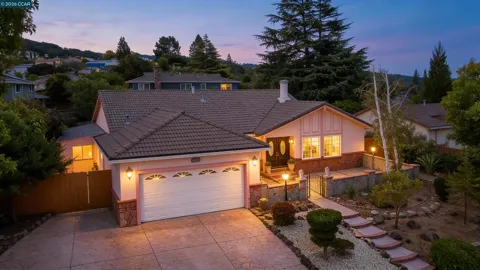
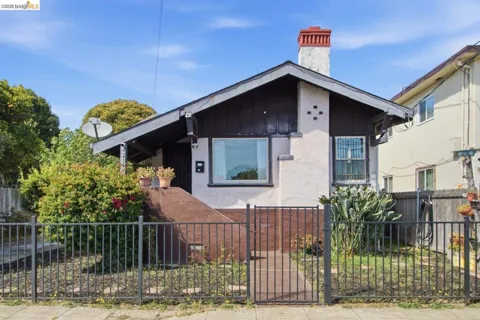
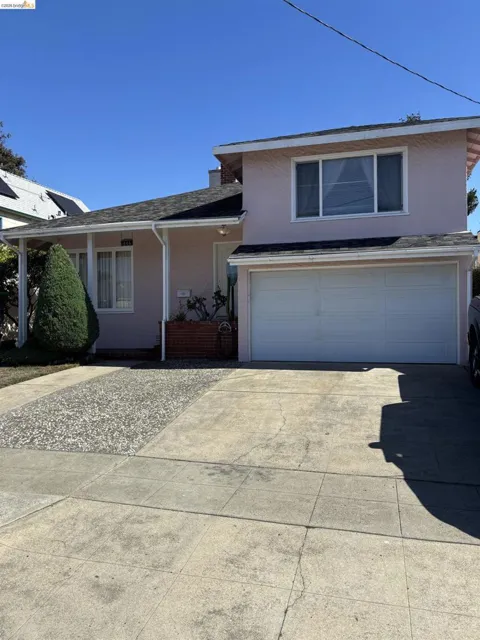
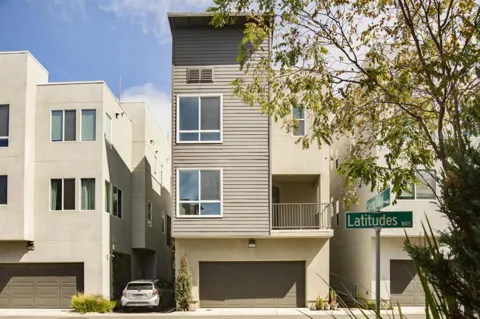
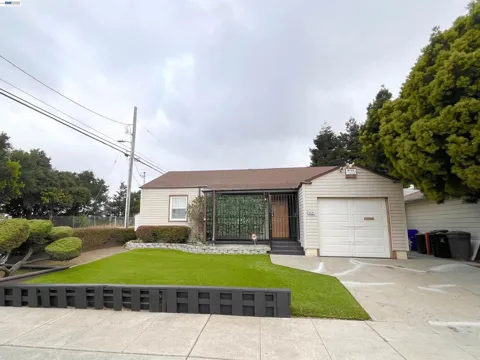
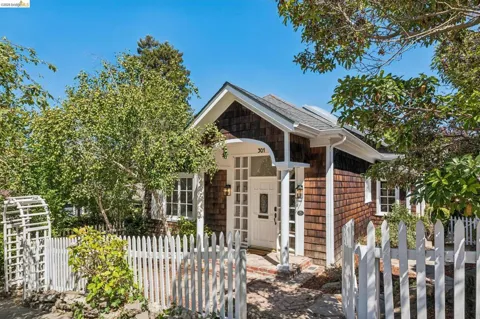
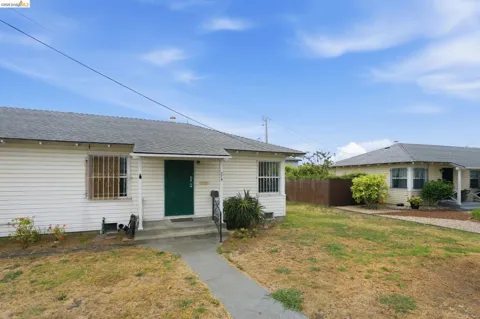
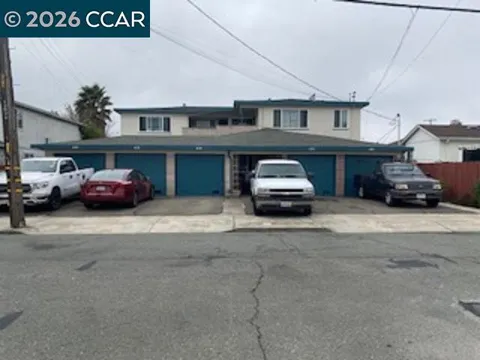
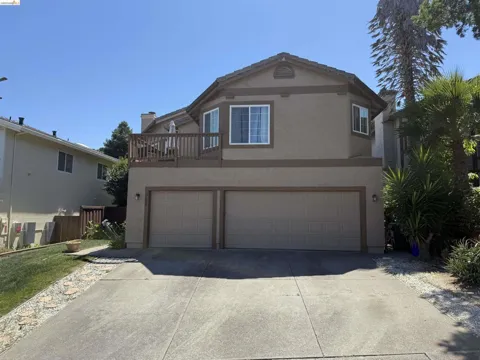
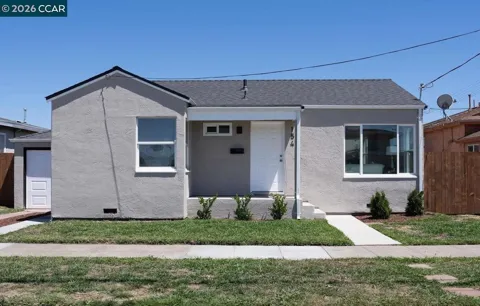
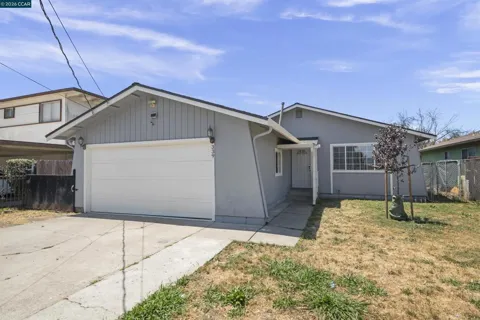
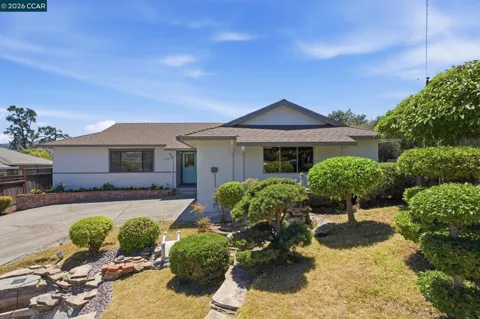
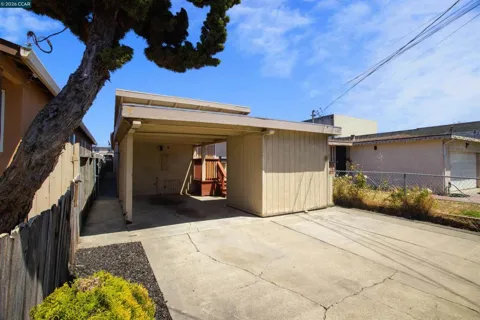
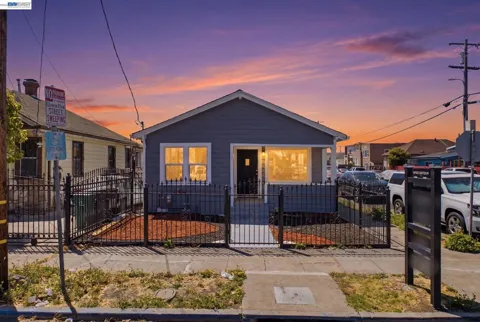
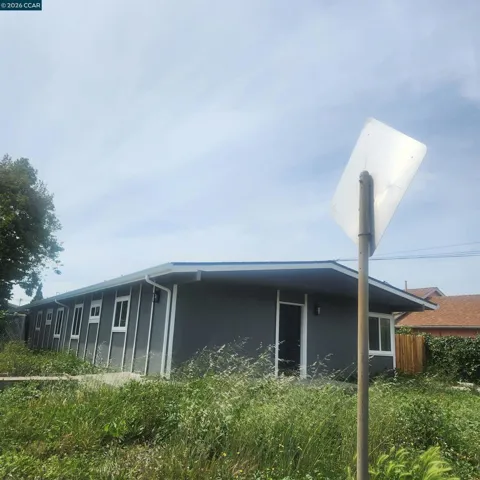
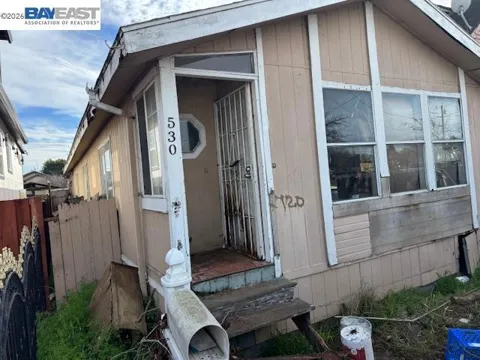
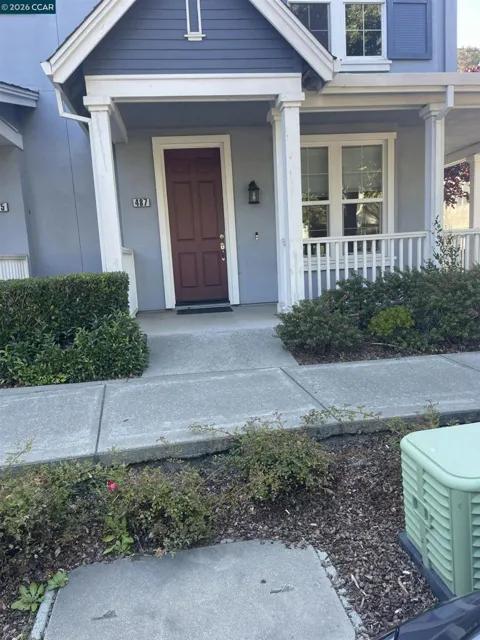
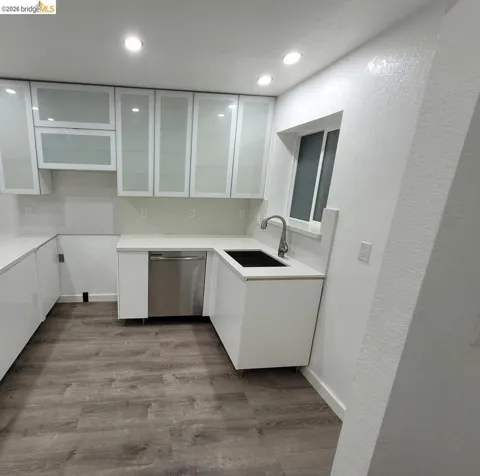
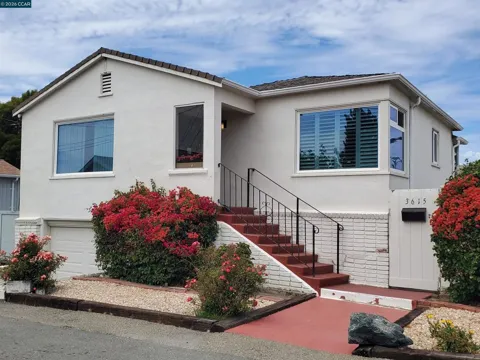
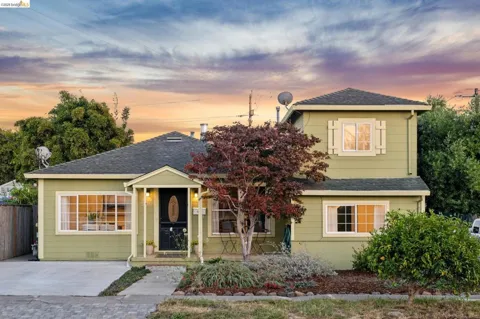
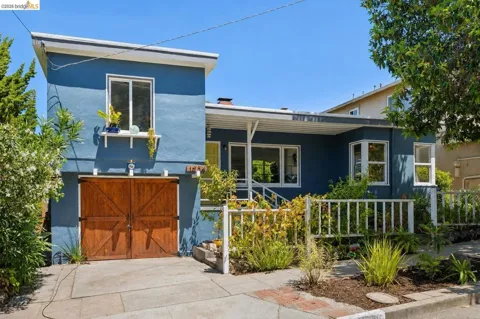
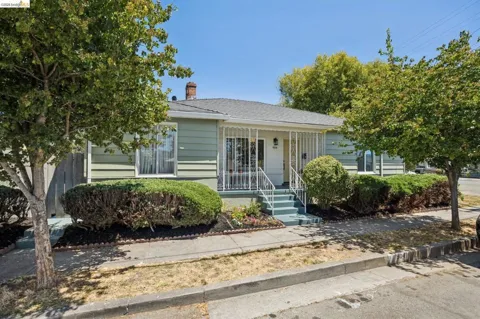
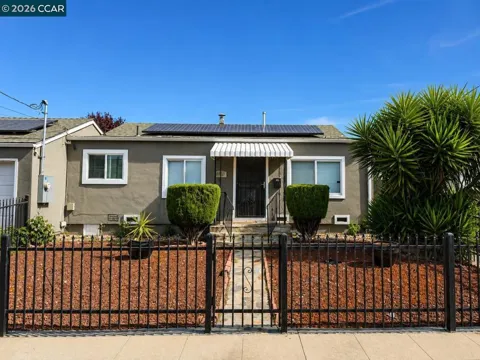
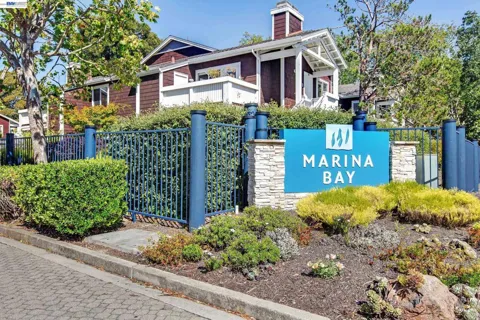
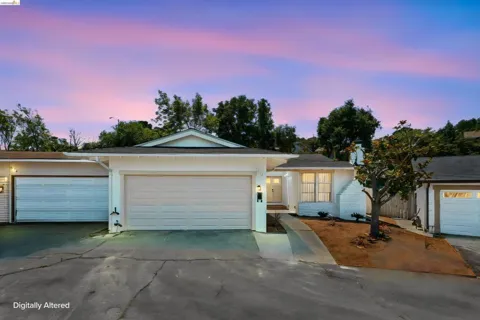
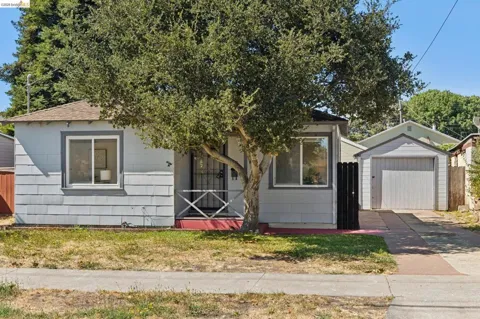
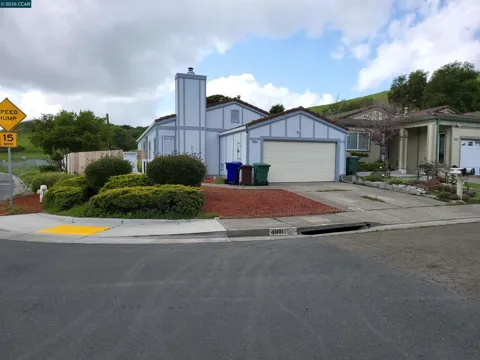
Richmond's housing stock spans more than a century of East Bay development. The older neighborhoods, including Point Richmond's historic district and the areas around downtown, contain early 20th-century bungalows and mid-century single-family homes. Post-war and later tracts spread across the flats and hills, while the Marina Bay waterfront and former shipyard areas have been redeveloped into newer housing communities with bay views. This variety gives buyers options ranging from historic homes with character to newer waterfront construction. Richmond's location at the heart of the Bay Area, combined with its comparatively attainable pricing, has made it a focus of sustained residential interest, and its housing diversity reflects the city's layered industrial, wartime, and suburban history.
Richmond's neighborhoods are distinct and varied. Point Richmond, at the western edge, is a compact historic district with an older village feel and bay views. Downtown Richmond and the 23rd Street business corridor anchor the city's commercial core, with the 23rd Street area known for its Latino-owned shops and restaurants. The Marina Bay district occupies redeveloped waterfront and former shipyard land, offering newer housing along the bay. North Richmond, the Richmond Annex, and the hillside neighborhoods to the east add further residential diversity, with the Richmond Hills rising toward Wildcat Canyon. This patchwork of waterfront, urban, and hillside districts gives the city a wide range of settings within a single municipal footprint.
Richmond offers a diverse, urban waterfront lifestyle at the edge of San Francisco Bay. The city's cultural identity is shaped by its working-port and industrial heritage alongside a growing arts, food, and outdoor-recreation scene. Neighborhood commercial corridors, community festivals, and the Bay Trail all contribute to an active public life, and the city's diversity is reflected in its neighborhoods and dining. The location is a major draw: BART and ferry service put San Francisco about 23 minutes away, while Berkeley, Oakland, and Marin are close by. Residents have direct access to miles of shoreline, hillside parks, and regional open space. Richmond suits those who want Bay Area convenience, waterfront access, and a community with genuine history and character, often at a more attainable price point than nearby cities.
Public education in Richmond is provided by the West Contra Costa Unified School District, which serves the city and surrounding Contra Costa County communities across a network of elementary, middle, and high schools. The district's size gives families access to a range of programs, including specialized and magnet options. For higher education, Richmond is within reach of institutions throughout the East Bay and San Francisco, and Contra Costa College is located nearby in San Pablo. The city's transit connections make regional colleges and universities accessible to residents, and the district's ongoing facilities and program investments remain a focus for the community.
Richmond is one of the East Bay's most connected transportation nodes. BART's Richmond station is the northern terminus of the Richmond Line, offering direct rail service through Berkeley and Oakland to San Francisco. Amtrak's Capitol Corridor also serves the city, and the Richmond Ferry Terminal provides commuter ferry service across the bay to San Francisco. By road, Interstates 80 and 580 converge in Richmond, with the Richmond–San Rafael Bridge linking the city to Marin County. The Port of Richmond handles freight on the bay, and the city's rail yards and industrial corridors support the regional logistics network. For commuters, the combination of BART, ferry, Amtrak, and highway access makes Richmond a practical base for working throughout the Bay Area.
Richmond's recreation is anchored by its shoreline and hills. Point Pinole Regional Shoreline offers miles of bay-front trails, picnic areas, and views across the water, while Miller/Knox Regional Shoreline adds additional waterfront open space near the ferry terminal. Wildcat Canyon Regional Park, the city's largest at more than 2,000 acres, provides hiking, open fields, and ridgeline views in the East Bay hills. The San Francisco Bay Trail threads through the city, connecting the Rosie the Riveter Visitor Education Center, Marina Bay, and the shoreline parks for walking and cycling. Sobrante Ridge and other regional preserves add native-plant habitats. This combination of bay, marina, and hill country makes Richmond one of the more recreation-rich cities in the inner East Bay.
MARKET SNAPSHOT
How homes have been selling here over the last 90 days.
Market data reflects closed sales over the last 90 days and is provided for informational purposes.
BROWSE BY ZIP
Browse listings by postal code in this area.