Ventura County Valley Town
A small, arts-minded valley town tucked against the Los Padres National Forest, about a dozen miles from the coast.
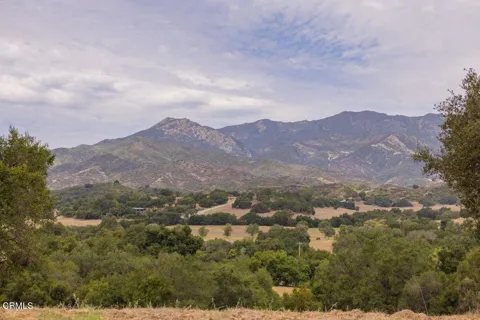
Ojai is a small city in Ventura County, California, set in the Ojai Valley, an east-west basin roughly ten miles long and three miles wide that lies within the Western Transverse Ranges. The city sits about 12 miles north of Ventura and the Pacific Ocean and roughly 80 miles northwest of Los Angeles, yet its enclosed valley setting makes it feel far more removed than those distances suggest. With about 7,600 residents spread across approximately four square miles, Ojai is the smallest city in Ventura County, and it has deliberately kept it that way through a long-standing slow-growth ethos. The valley is bordered on the north by the Los Padres National Forest, whose rugged backcountry—including the Sespe Wilderness—rises immediately beyond the town. To the south and east, citrus orchards, oak woodlands, and open hillsides define the viewshed. The Chumash people inhabited the valley long before Spanish and later American settlement, and the town that emerged took its name from the Chumash word for the area. In the twentieth century, Ojai developed a distinctive architectural identity built around Spanish Colonial Revival and Mission Revival styles, promoted in part by early civic patrons, and that aesthetic remains central to the town's appearance today. Ojai is equally defined by its cultural life. Libbey Park and its outdoor Libbey Bowl amphitheater anchor the community, hosting the internationally known Ojai Music Festival each June as well as storytelling, art, and lavender festivals through the year. The compact, arcaded downtown is walkable and independent-minded, with an economy oriented to small shops, restaurants, and the arts rather than chain retail. Students attend the Ojai Unified School District, a small system serving the valley. For residents and visitors alike, Ojai offers a rare combination: a tight-knit, aesthetically distinctive town set against genuine wilderness, a short drive from the coast but culturally a world apart.
Ojai is in Ventura County, California, in the Ojai Valley of the Western Transverse Ranges. It sits about 12 miles north of Ventura and the Pacific Ocean, and roughly 80 miles northwest of Los Angeles.
Ojai is served by the Ojai Unified School District, a small district with about eight schools and roughly 2,000 students serving the Ojai Valley, including the community of Meiners Oaks and nearby Mira Monte.
Ojai is known for its small-town arts culture, its Spanish Colonial and Mission Revival architecture, and the Libbey Bowl amphitheater in Libbey Park, home to the annual Ojai Music Festival each June. It is also recognized for its setting at the edge of the Los Padres National Forest.
The Ojai Valley is bordered to the north by the Los Padres National Forest, whose Ojai Ranger District offers extensive hiking, including trails into the Sespe Wilderness such as the Gene Marshall-Piedra Blanca Trail and the Agua Blanca Trail.
Ojai is the smallest city in Ventura County, covering roughly four square miles with about 7,600 residents. Its small size and slow-growth policies are part of what preserve its distinctive valley-town character.
City Guide
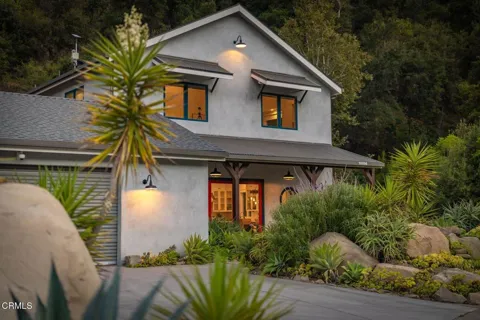
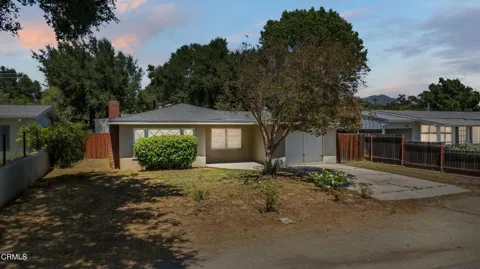
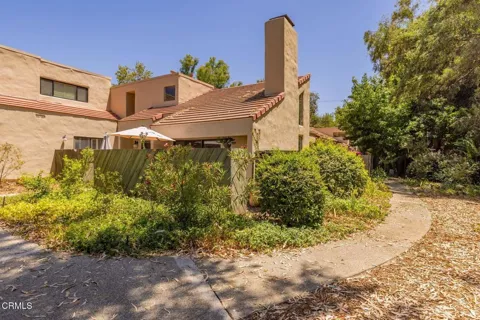
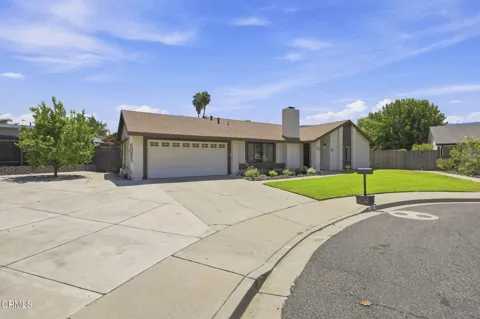
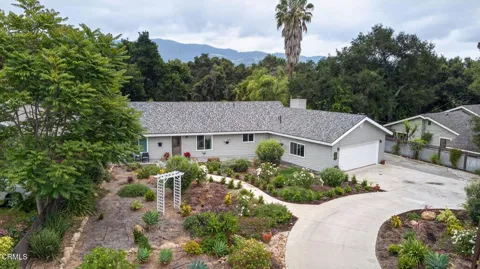
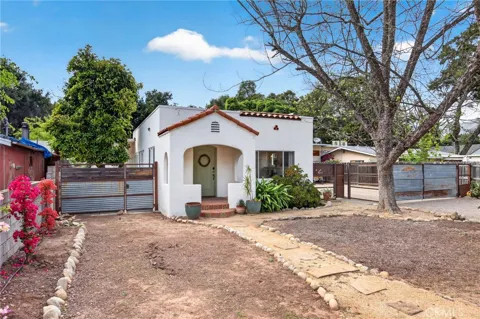
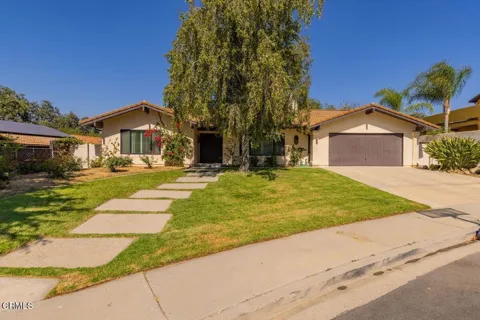
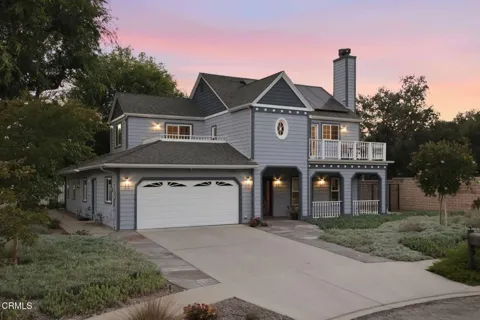
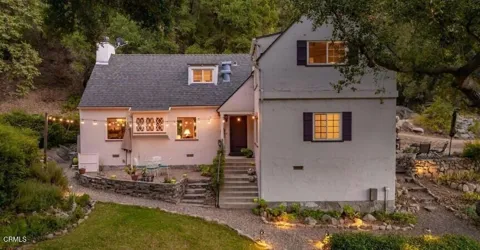
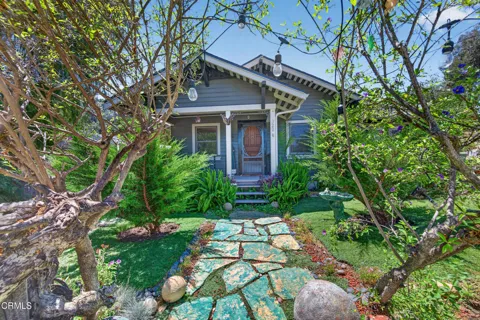
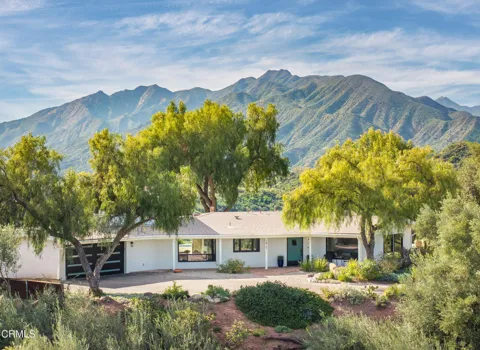
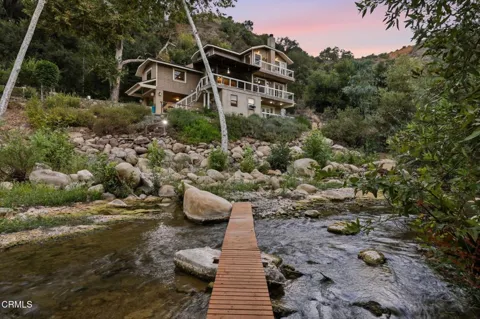
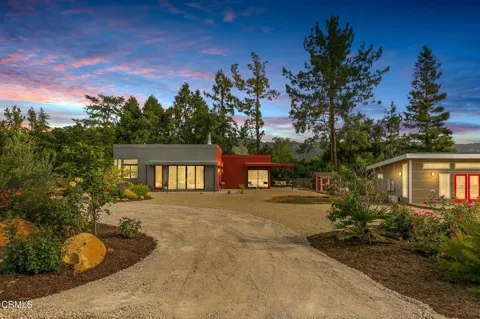
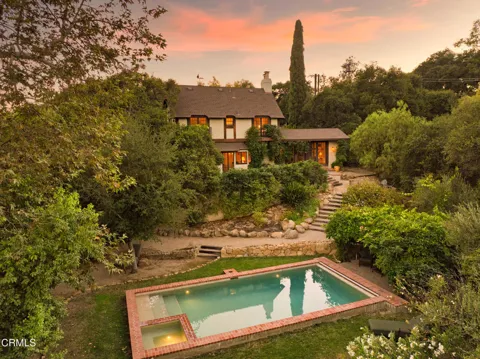
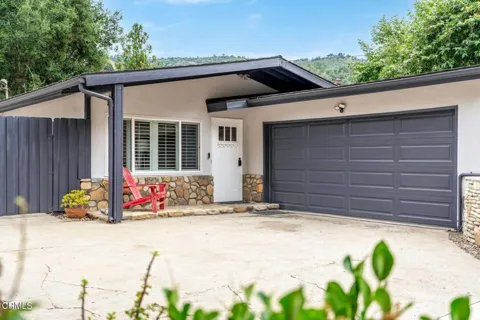
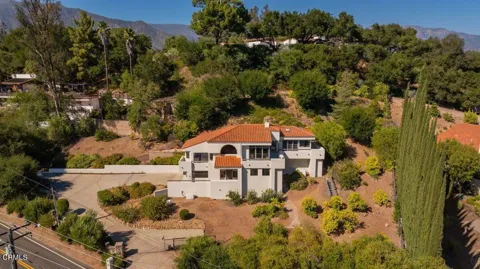
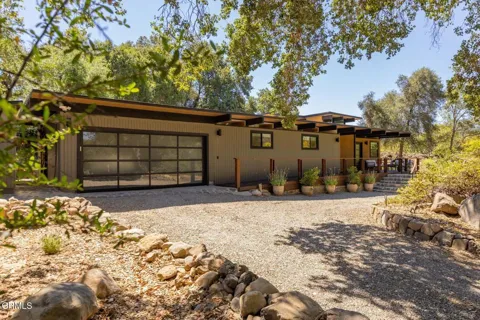
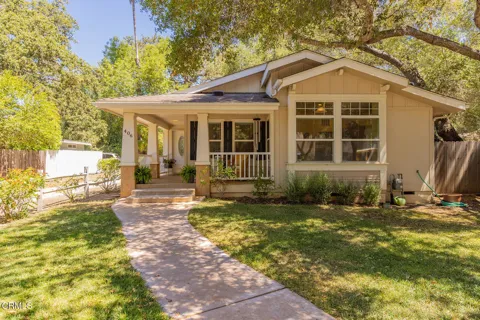
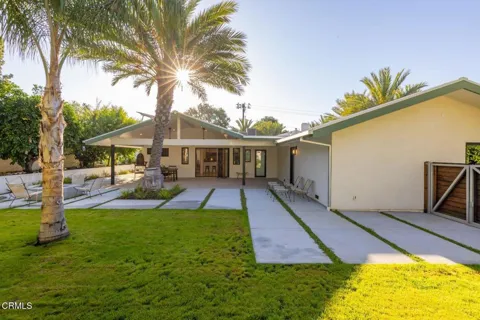
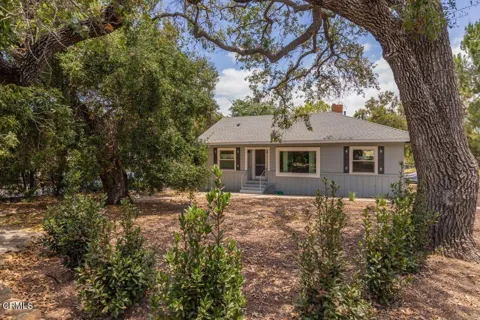
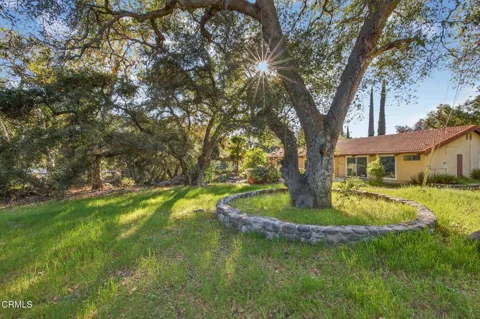
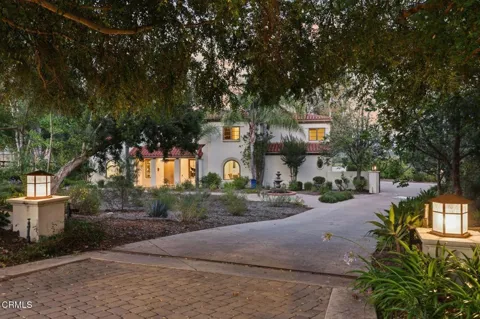
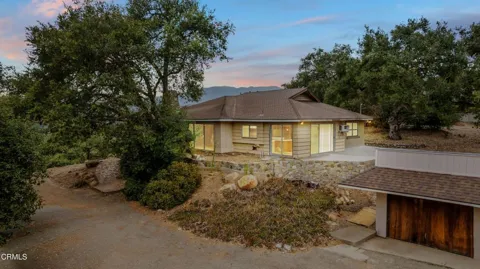
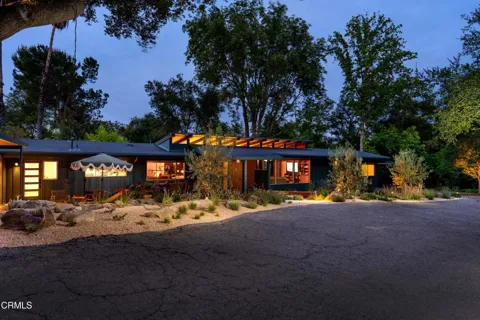
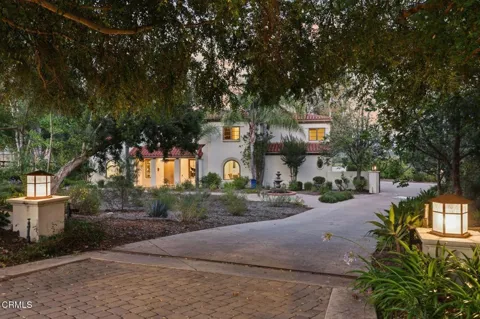
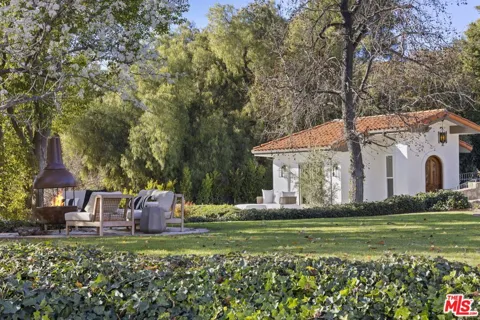
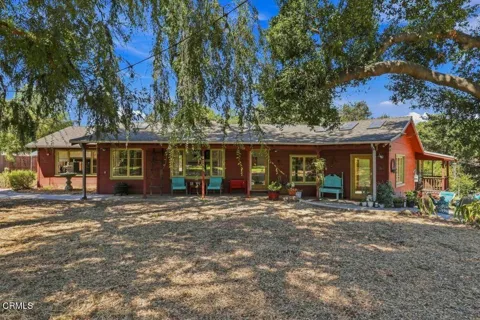
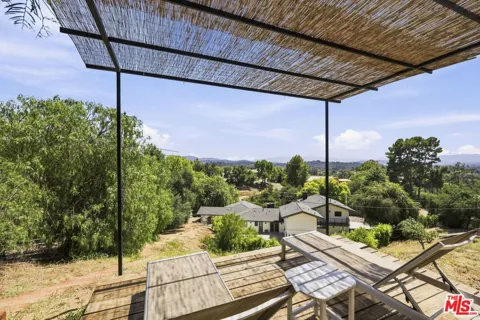
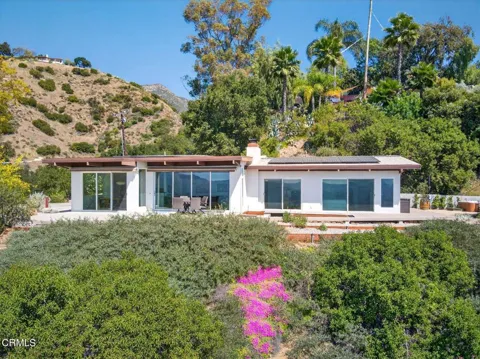
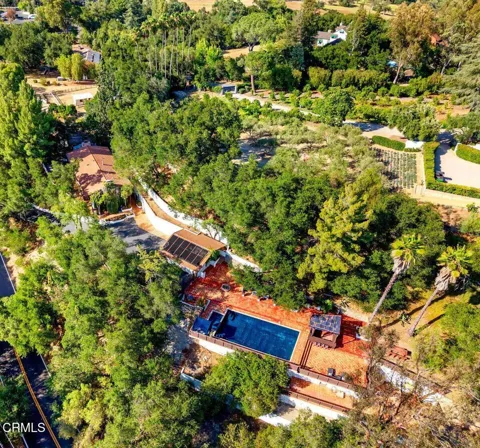
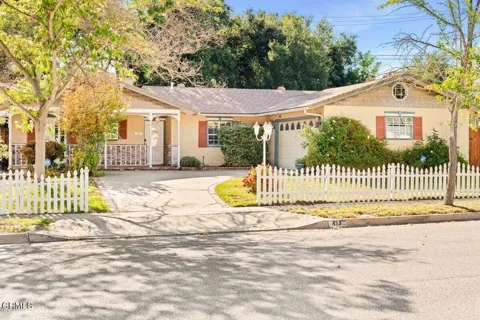
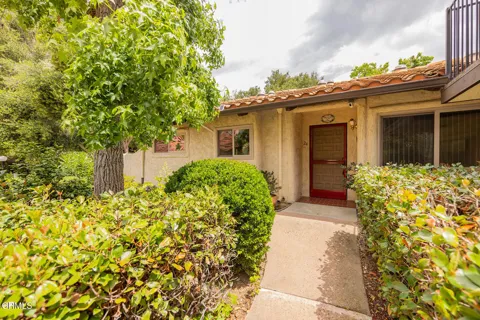
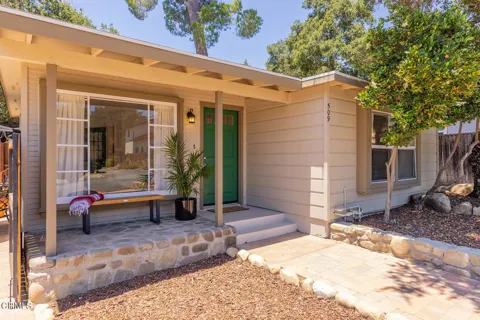
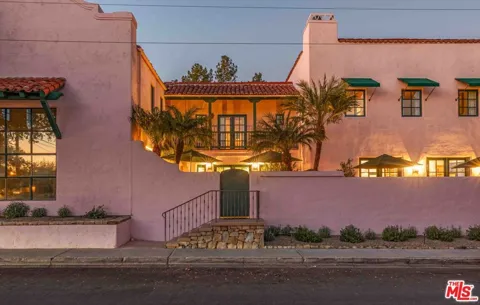
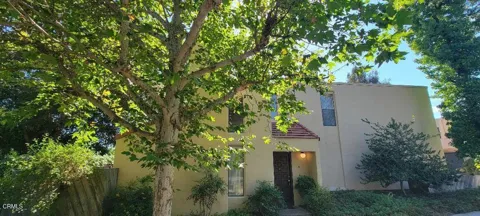
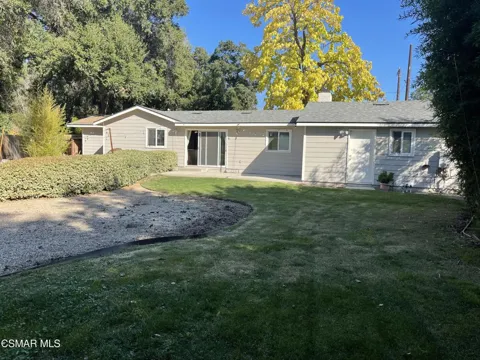
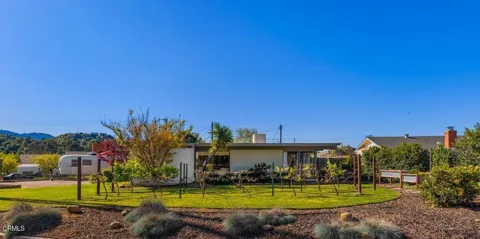
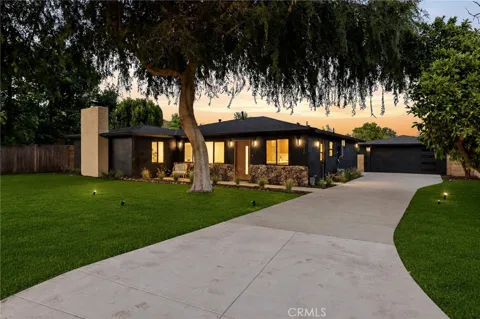
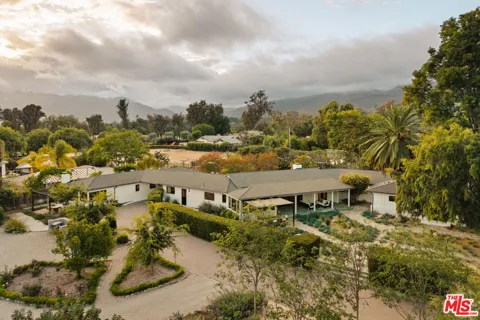
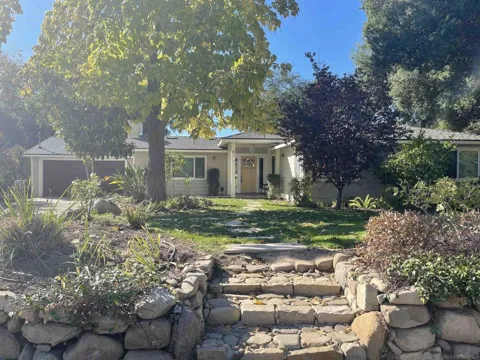
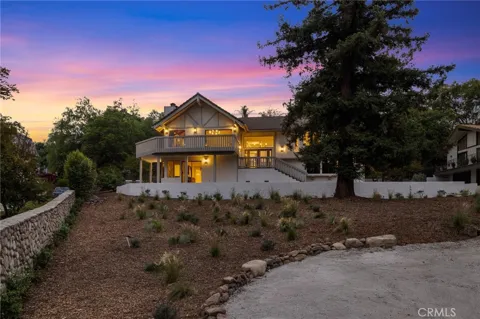
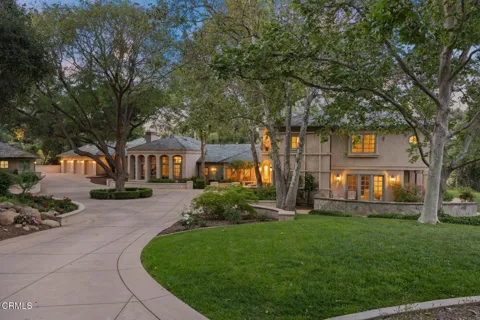
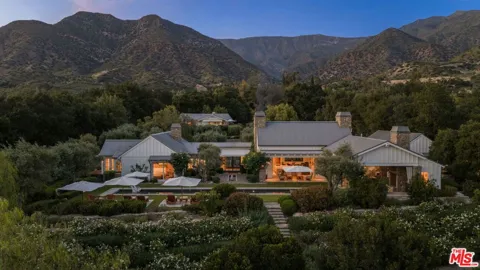
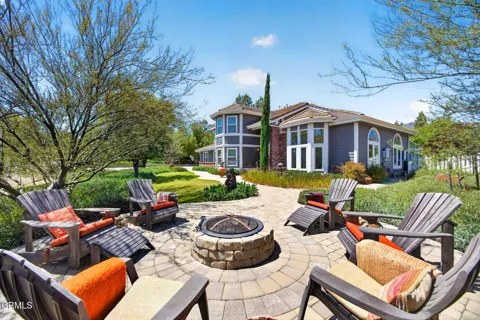
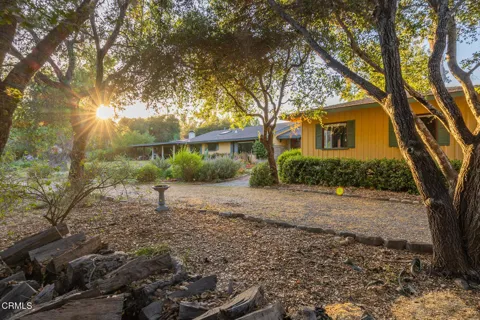
Ojai's housing stock is distinguished by its architecture and its scarcity. The town is strongly associated with Spanish Colonial Revival and Mission Revival design, a legacy visible in its civic buildings, churches, and many private homes, alongside mid-century modern estates tucked along winding country roads and more modest cottages and ranch houses. Slow-growth policies and the valley's geographic constraints—surrounded by hills and national forest—limit new construction and help preserve the built character. Homes range from in-town bungalows near the arcade to larger properties on the valley's East End, and the market tends toward buyers drawn by the setting, architecture, and community rather than by suburban scale.
Ojai's geography divides into a compact downtown and outlying valley neighborhoods. The walkable downtown arcade, with its arcaded storefronts and Libbey Park, is the commercial and civic center. The East End stretches toward the upper valley, known for larger properties, orchards, and a more rural feel. Meiners Oaks, a short distance west of downtown, is an older, leafy neighborhood with its own village character and is part of the wider Ojai Valley community served by the local school district. Mira Monte and the areas along the valley floor add a mix of established streets and open land, all framed by the surrounding hills.
Ojai's culture is built around the arts, wellness, and the outdoors, with a distinctive small-town rhythm that sets it apart from the coast and the Los Angeles sprawl. Libbey Park serves as the civic gathering place, its Libbey Bowl amphitheater hosting the acclaimed Ojai Music Festival each June along with storytelling, lavender, and art events through the year. The compact downtown, with its arcade and independent shops, is deliberately walkable, and the town's slow-growth ethos keeps its character intact. Residents tend to value creativity, health, and the valley's natural beauty, and the community draws a steady stream of visitors seeking its relaxed, artistic atmosphere.
Ojai is served by the Ojai Unified School District, a small, community-centered system that operates about eight schools and serves roughly 2,000 students across the Ojai Valley, including Meiners Oaks and the surrounding area. The district's modest size keeps schools closely tied to the community, with elementary campuses feeding into a local middle and high school. Its scale reflects the town itself—intimate and locally focused—and it serves a student body drawn from the valley's established neighborhoods and rural reaches. Families in Ojai generally value the district's small classes and the continuity of a single K-12 system.
Ojai is reached primarily by State Route 33, which climbs from Ventura and the coast through the Ojai Valley and continues north into the Los Padres National Forest. State Route 150 connects the valley eastward toward Santa Paula and the rest of Ventura County. There is no rail service in the valley; residents drive to Ventura for Amtrak's Pacific Surfliner and Metrolink connections, or commute by car to jobs along the Ventura and Santa Barbara coast and into the western Los Angeles area. The town's small scale makes it highly walkable and bikeable, and much of daily life happens within the valley itself.
The Los Padres National Forest is Ojai's defining outdoor asset, rising from the valley's northern edge and managed locally by the Ojai Ranger District. Hikers, backpackers, and equestrians use its extensive trail system, including the Gene Marshall-Piedra Blanca National Recreation Trail and the Agua Blanca Trail, which lead into the Sespe Wilderness through chaparral, riparian canyons, and sandstone landscapes. Closer to town, Libbey Park and the valley's surrounding foothills offer walking, cycling, and picnicking, while the Shelf Road Trail provides an easy family walk with valley views. The short drive to Ventura adds coastal recreation, from beaches to the Channel Islands' gateway harbor.
MARKET SNAPSHOT
How homes have been selling here over the last 90 days.
Market data reflects closed sales over the last 90 days and is provided for informational purposes.
BROWSE BY ZIP
Browse listings by postal code in this area.