Gold Rush Apple Town in the Cuyamacas
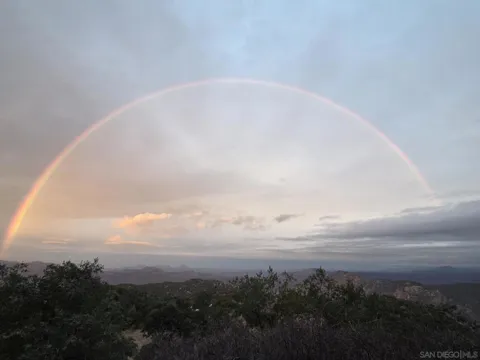
Welcome to Julian, a historic gold-rush town in the Cuyamaca Mountains of San Diego County, famous for its apple orchards and pies.
Julian is a census-designated place in San Diego County, California, set high in the Cuyamaca Mountains of the East County backcountry, about an hour east of downtown San Diego. The 2020 census counted 1,318 residents, though the town's modest population belies its prominence as one of Southern California's best-known mountain destinations. Julian developed as a classic gold-rush boomtown in the 1870s, after gold was discovered by Fred Coleman, and grew rapidly with miners, saloons, and stores before the boom faded and the town found a more lasting footing. At its peak, the surrounding Julian Mining District held close to 1,500 people, and the town was even discussed as a possible county seat. That second act was built on apples. As mining declined, settlers turned to orchard cultivation, and Julian's cool mountain climate proved well suited to apples. Over the following century, the town became synonymous with apple pies, cider, and a preserved gold-rush Main Street, transforming it into a year-round tourism draw, particularly in autumn. Today the historic district, the Julian Pioneer Museum, and the surrounding orchards keep both halves of the town's identity alive. Life in Julian blends a small, rural community with a steady stream of visitors. The Julian Union Elementary and High School districts serve local students, while Volcan Mountain Preserve, Lake Cuyamaca, the California Wolf Center, and local wineries anchor recreation and culture. Residents enjoy a cooler, four-season climate and a slower pace than the San Diego coast, with the tradeoff of mountain roads and distance from urban services. For those who want a historic, orchard-and-mountain community within reach of a major city, Julian is a distinctive and enduring place.

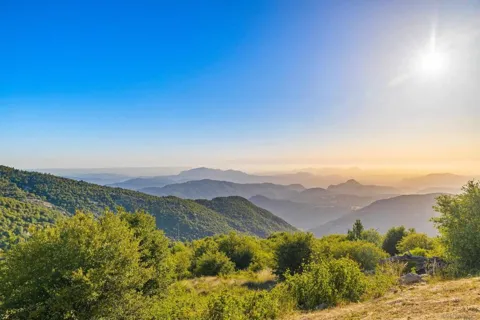
Julian is in San Diego County, California, in the East County backcountry of the county. It sits high in the Cuyamaca Mountains, about an hour east of downtown San Diego by car.
Julian is famous for two things: its 1870s gold-rush history and its apples. The town's orchards produce apples, cider, and the apple pies that draw visitors to its historic Main Street, alongside wineries and mountain scenery.
Julian is about an hour's drive east of downtown San Diego, reached via the mountain highways through the Cuyamaca range. Its location makes it a popular day-trip destination from the San Diego coast.
Julian is served by two small districts: the Julian Union Elementary School District and the Julian Union High School District, both based in the community and serving the town and surrounding mountain area.
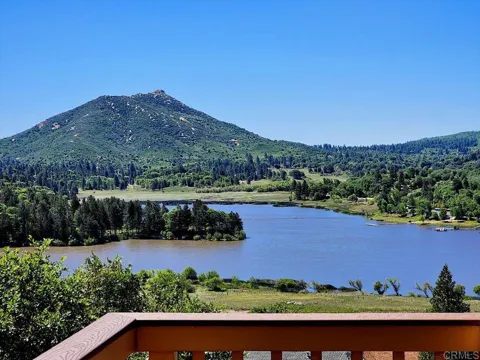
Julian's recreation ranges from the Volcan Mountain Preserve and its hiking trails to fishing and boating on Lake Cuyamaca. Visitors and residents also tour historic gold mines, visit the Julian Pioneer Museum and the California Wolf Center, pick apples at local orchards, and attend events like the Julian Grape Stomp Festa.
City Guide
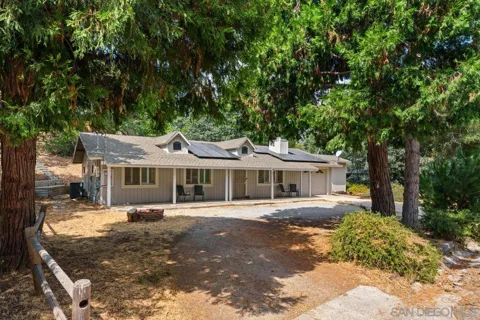
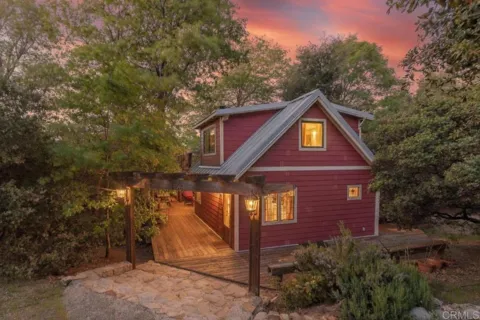
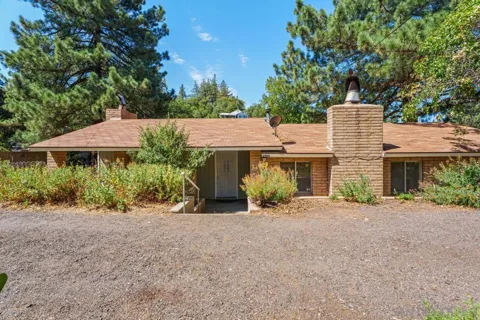
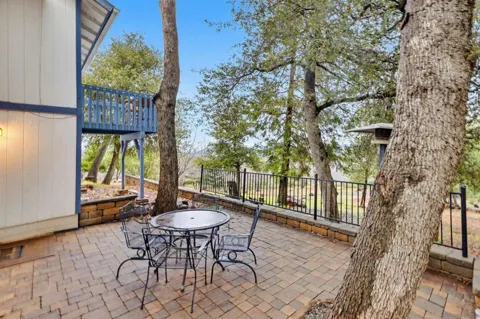
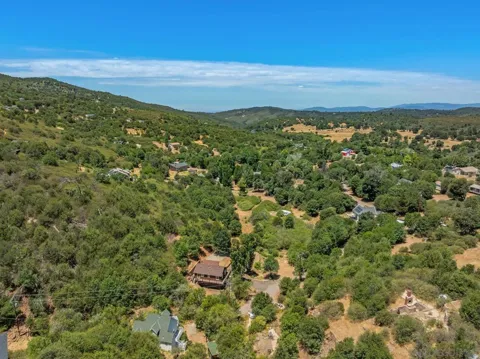
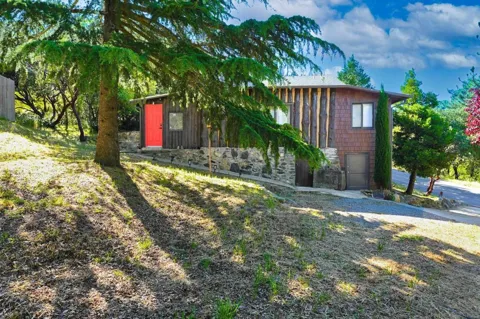
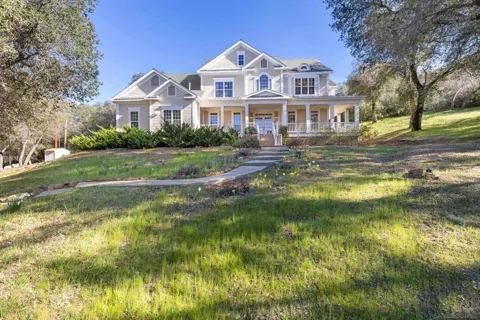
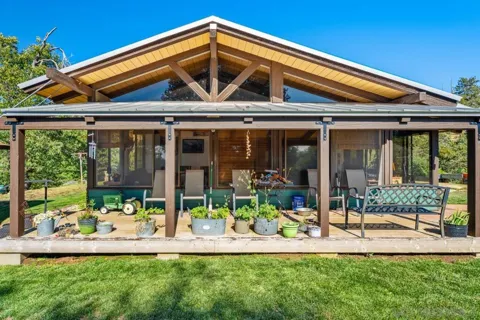
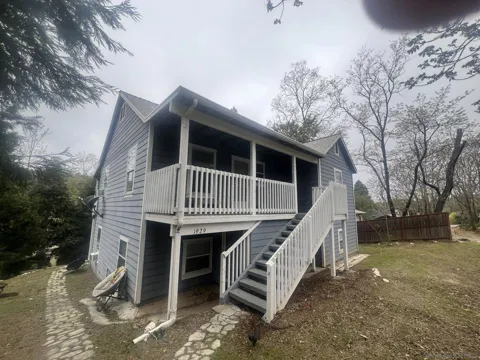
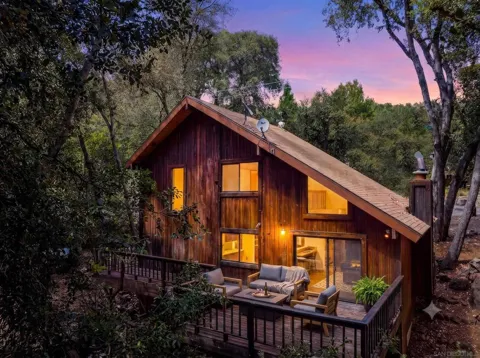
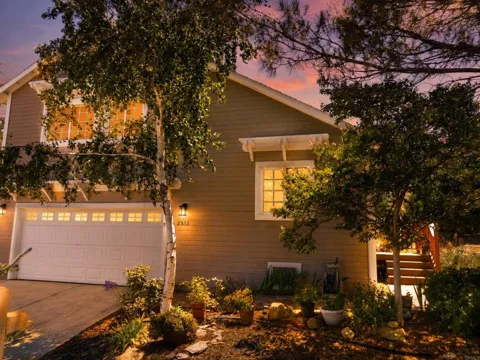
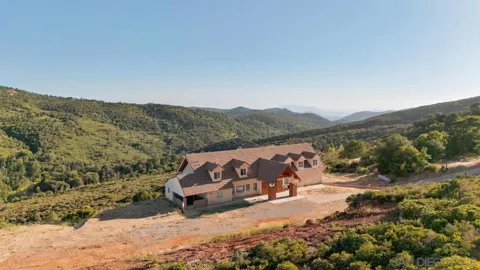
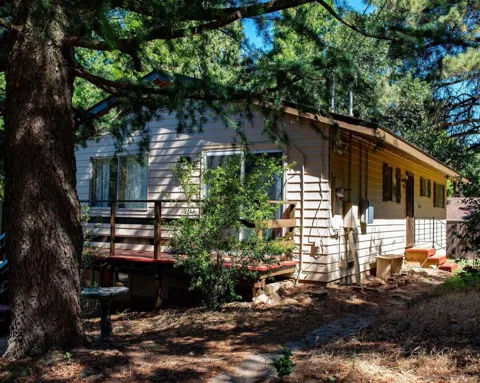
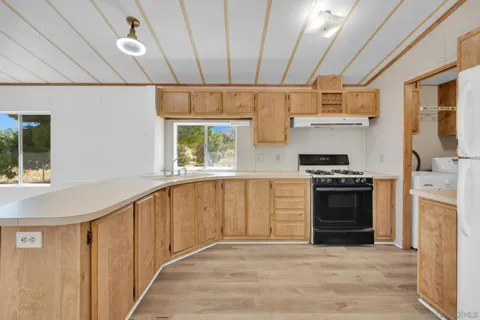
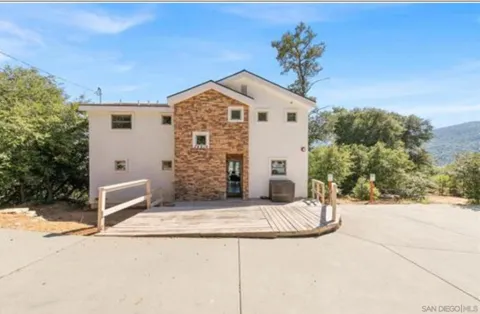
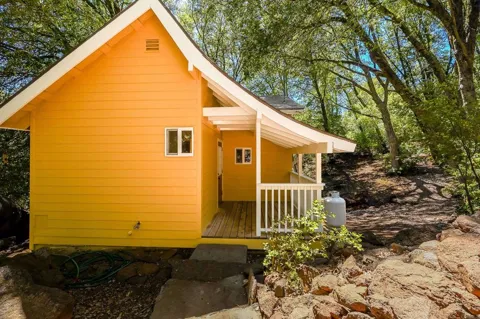
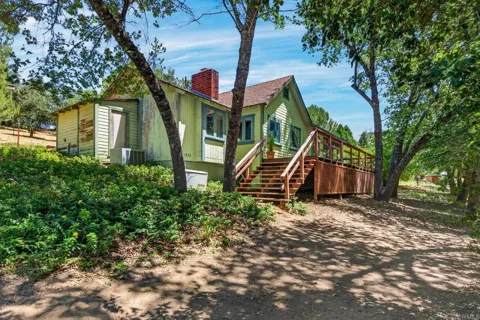
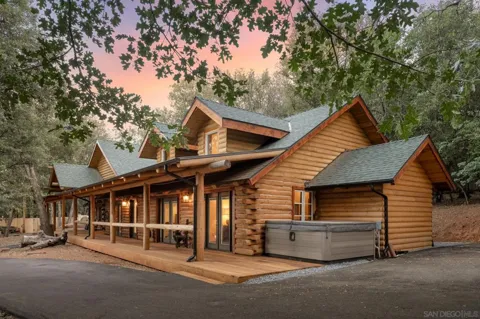
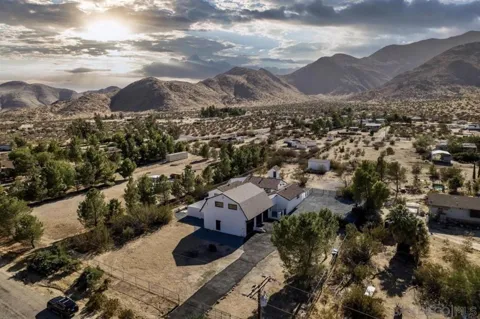
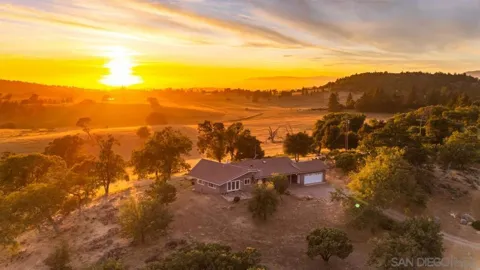
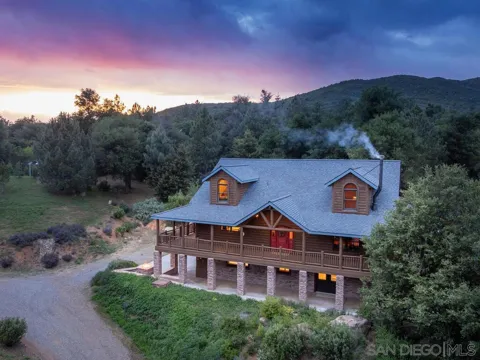
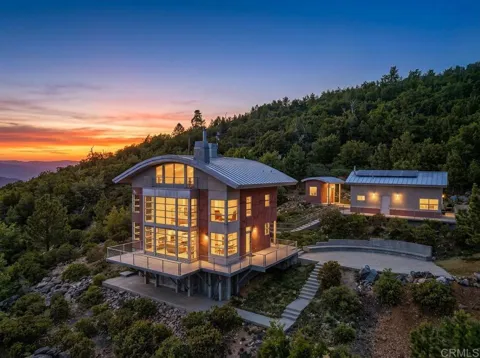
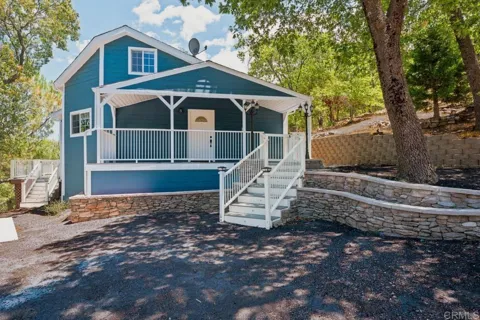
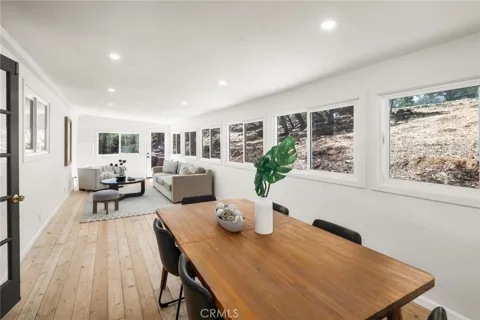
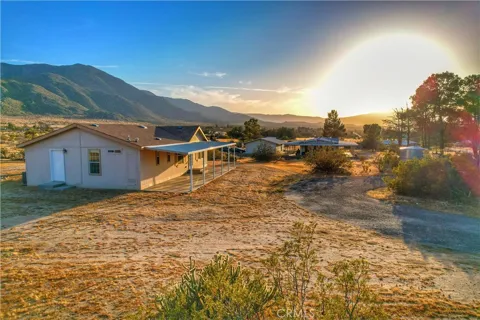
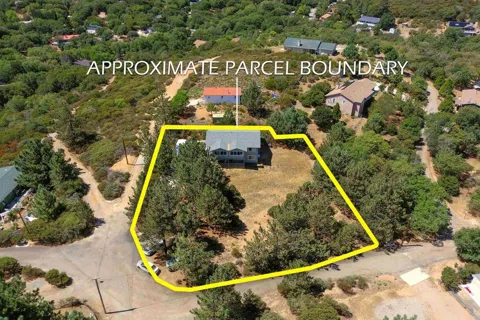
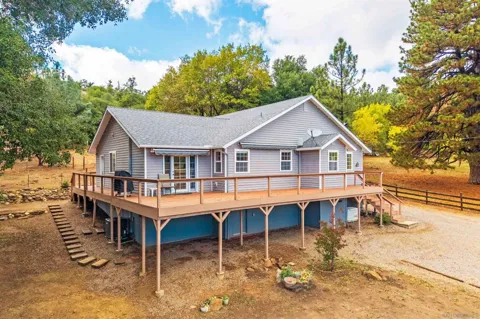
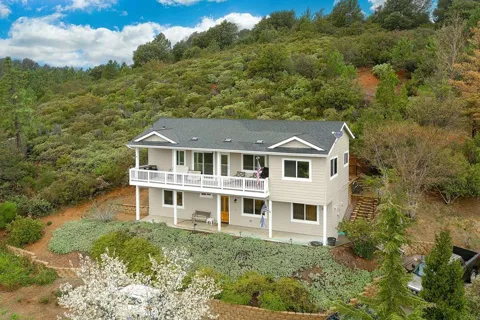
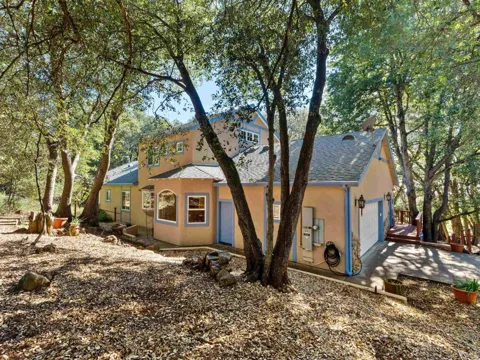
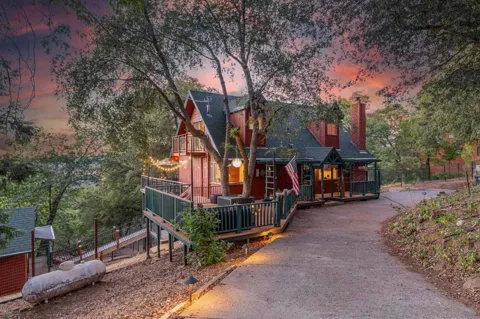
Julian's housing reflects its mountain, orchard-based character. The market is small, made up of homes in and around the historic town, cabins and rural properties in the surrounding Cuyamaca backcountry, and some orchard parcels tied to the area's apple heritage. Development is limited by the mountain terrain and the community's rural character, so the housing stock skews toward established, low-density properties rather than new subdivisions. Buyers are typically drawn by the cool climate, the historic atmosphere, and the lifestyle of a mountain town, often seeking a second home or a full-time retreat within an hour of San Diego.
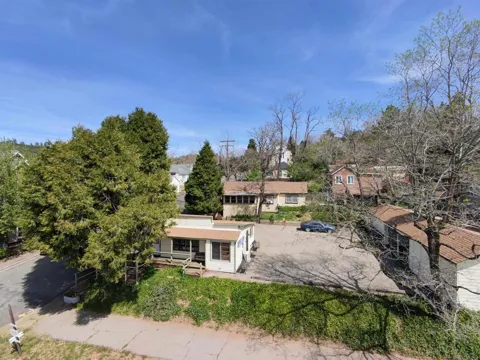
Julian centers on its historic Main Street, lined with gold-rush-era buildings that now house shops, bakeries, and restaurants, and it is this district that most visitors think of as the town. Around it, residential streets and small holdings spread through the surrounding valleys and hills, with orchard properties and backcountry acreage defining the wider community. There are no large planned subdivisions; Julian reads as a cohesive mountain town with a well-preserved historic core and a dispersed rural fringe. This structure keeps Main Street the true heart of the community, both for residents and for the visitors who sustain its economy.
Julian's lifestyle is defined by its mountain setting and its seasonal rhythms. The town revolves around its historic Main Street, where visitors and residents alike gather for apple pie, cider, and the town's shops and restaurants. Tourism is a steady presence, especially in autumn when the apple harvest and fall color draw crowds, but the community itself remains small and close-knit. The cool mountain climate offers a contrast to coastal San Diego, and wineries, orchards, and backcountry trails shape the local pace. For residents, Julian offers four-season character, a strong sense of history, and a slower, more rural way of life than the coastal cities below.
Julian is served by two small, community-based districts: the Julian Union Elementary School District and the Julian Union High School District, both headquartered in the town. The elementary district enrolls roughly 300 students, and the high school district serves the same mountain community through its own board and campus. This two-district structure is a legacy of California's rural school organization and gives Julian families a close-knit, hometown educational experience. For residents, it means small class sizes and schools deeply tied to the community, with the larger educational resources of San Diego County an hour away.
Julian sits at the junction of State Routes 78 and 79, the mountain highways that connect the Cuyamaca backcountry to the rest of San Diego County. The drive to downtown San Diego takes about an hour, following winding mountain roads that descend through the East County foothills. There is no passenger rail or local transit serving Julian, so travel is entirely by private vehicle. For residents, the mountain-road commute is the principal tradeoff of living in Julian, balanced against the cooler climate, the historic setting, and the rural character that the distance from the coast preserves.
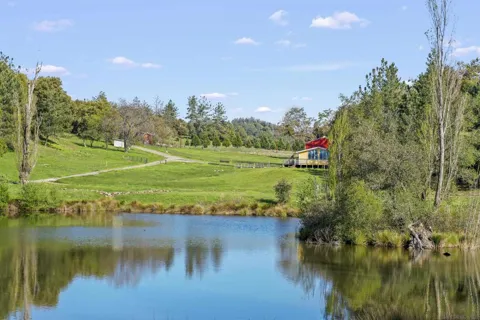
Julian's recreation spans the outdoors and its own history. Volcan Mountain Preserve offers hiking through native grasslands and oak woodlands, while Lake Cuyamaca provides fishing and boating nearby. The California Wolf Center educates visitors about wolf conservation, and the Julian Pioneer Museum and local gold-mine tours interpret the town's mining past. Apple orchards invite seasonal picking, and wineries such as Menghini host events like the Grape Stomp Festa. In town, Main Street itself is the central attraction, with pie shops, cider, and historic storefronts. Together these resources make Julian a compact but unusually rich destination for outdoor and heritage recreation.
MARKET SNAPSHOT
How homes have been selling here over the last 90 days.
Market data reflects closed sales over the last 90 days and is provided for informational purposes.
BROWSE BY ZIP
Browse listings by postal code in this area.