San Diego's Wine Country
Welcome to Ramona, an inland San Diego County community at the heart of the Ramona Valley wine region.
Ramona is a census-designated place in the inland foothills of eastern San Diego County, California, with a 2020 population of about 21,500. It is the main population center of the Ramona Valley, a rural, agricultural region in the county's East County that sits well inland from the coast. Ramona is unincorporated rather than an incorporated city, which shapes both its governance and its character. The community's defining identity today is wine. Ramona lies within the Ramona Valley American Viticultural Area, often called the heart of San Diego's wine country, with more than 80 commercial vineyards and dozens of tasting rooms across the valley. Winemaking in the area dates back to the early California missions, and the valley's hot days and cool nights, influenced by the coastal marine layer, produce conditions suited to wine grapes. Alongside grapes, agriculture — including olives and citrus — has long been the backbone of the local economy. Ramona's settlement is anchored by a historic downtown district with shops, galleries, and restaurants, surrounded by residential streets that give way to vineyards, ranches, and open foothill land. Because the community is unincorporated and spread out, its neighborhoods are informal and tied to geography rather than formal subdivisions, and homes range from in-town properties to equestrian and rural acreage. Education is provided by the Ramona Unified School District, which operates 11 schools and enrolls about 5,100 students, making the district a central civic institution for the community. Ramona suits households seeking a rural, small-town lifestyle with space and agricultural character — buyers drawn to larger lots, equestrian properties, and the wine-country setting, who accept a longer drive to San Diego in exchange for a distinctly country pace of life.
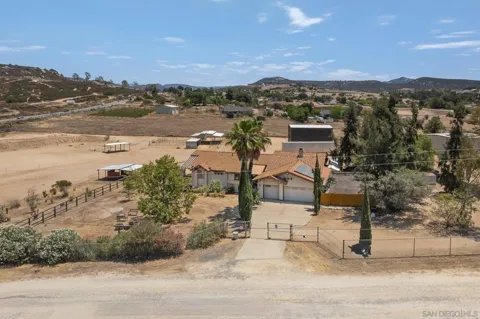
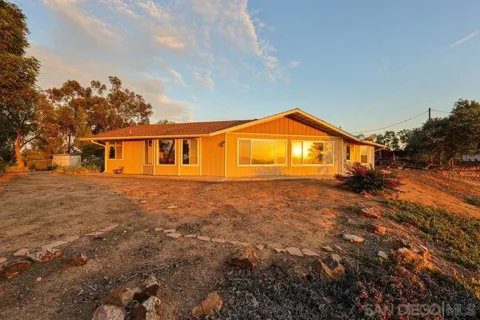
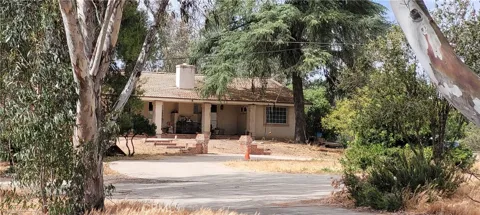
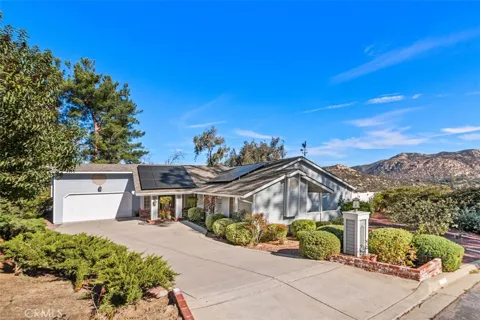
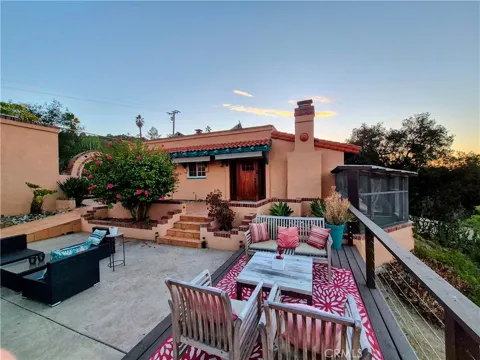
Ramona is a census-designated place, an unincorporated community in San Diego County, California, rather than an incorporated city. It is the main population center of the inland Ramona Valley in the county's East County region.
Ramona is located in eastern San Diego County, California, in the inland foothills of the county's East County region. It lies within the Ramona Valley American Viticultural Area, known as the heart of San Diego's wine country.
Ramona is known as the heart of San Diego's wine country. The Ramona Valley AVA is home to more than 80 commercial vineyards and dozens of tasting rooms, and agriculture, including olives and citrus, has long anchored the local economy.
The Ramona Unified School District serves the community, operating 11 schools and enrolling about 5,100 students across eastern San Diego County. The district spans elementary through high school and serves as a central community institution.
City Guide
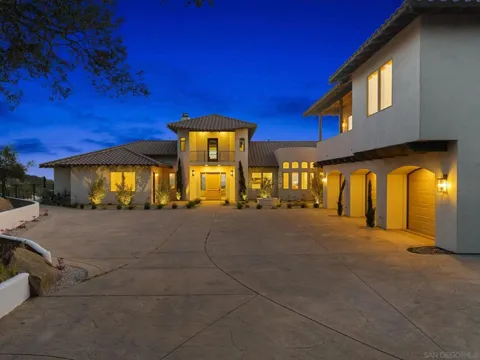
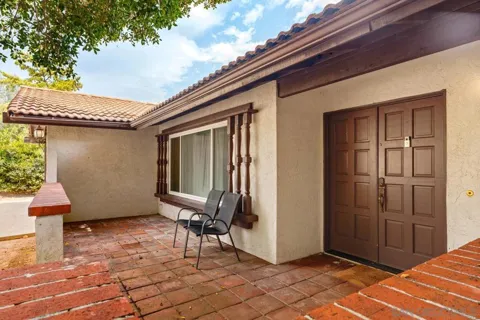
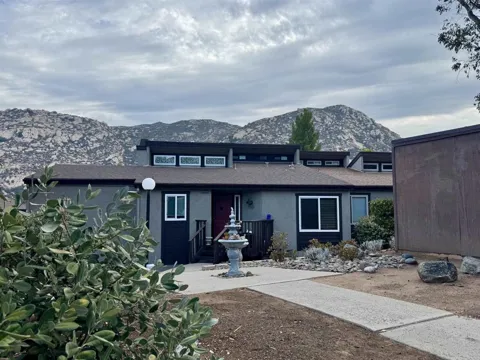
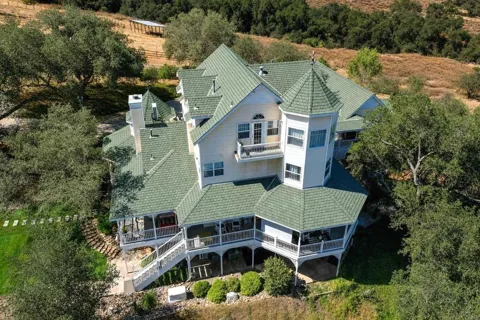
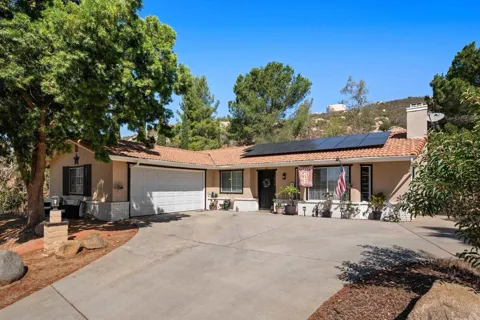
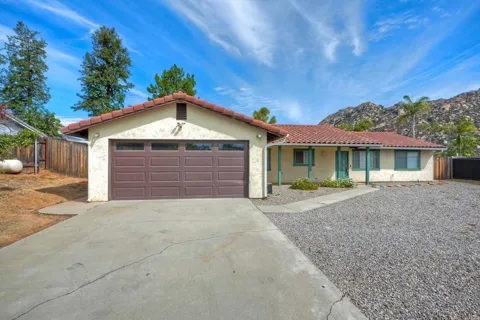
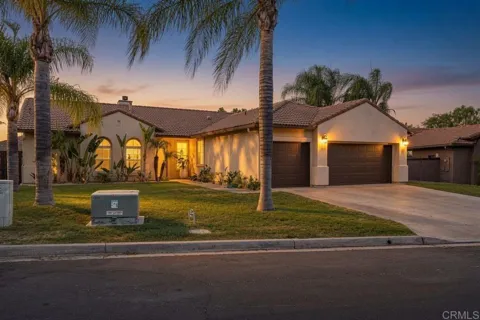
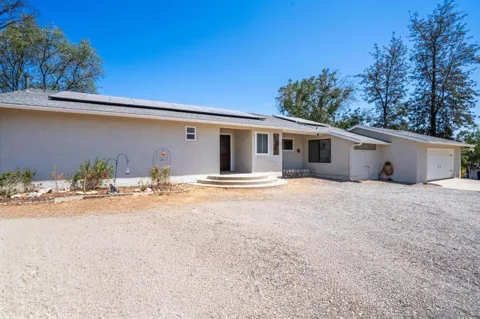
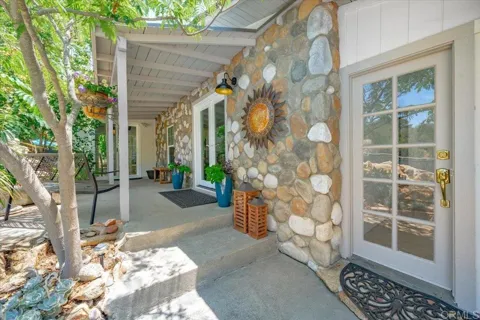
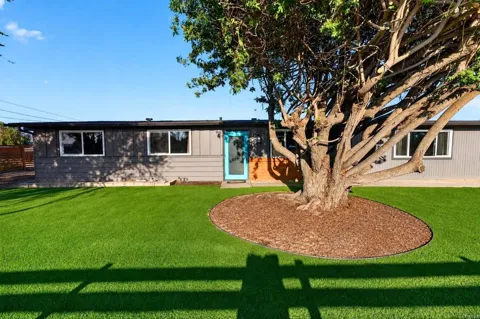
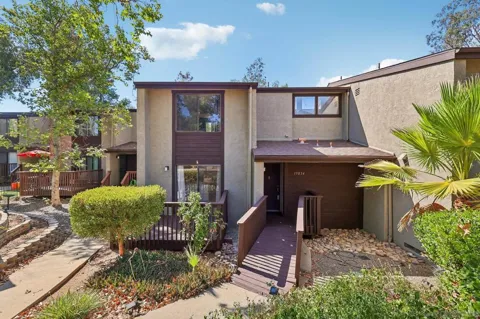
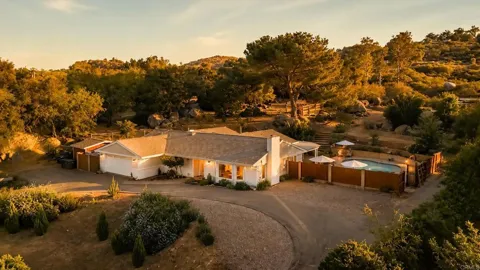
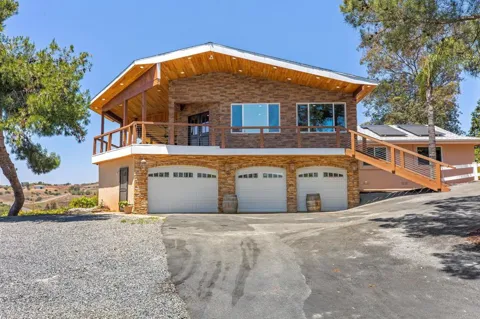
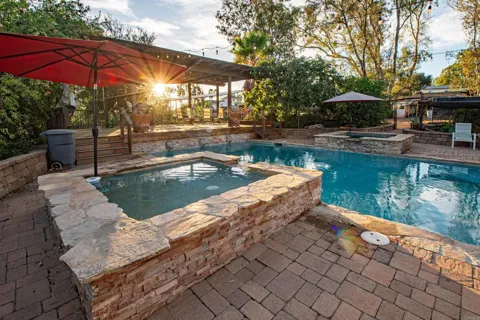
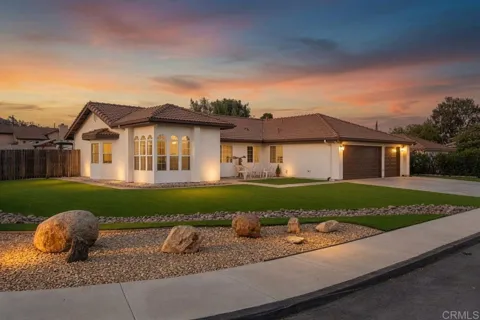
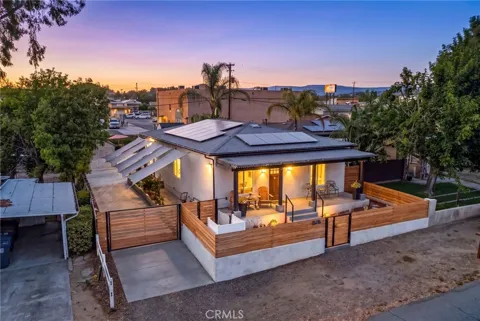
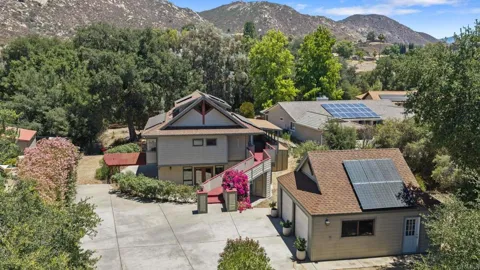
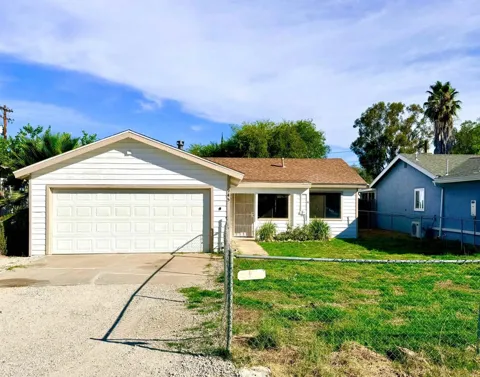
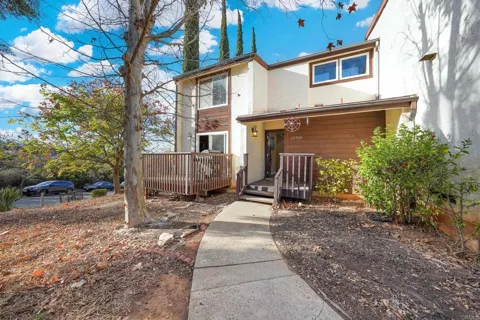
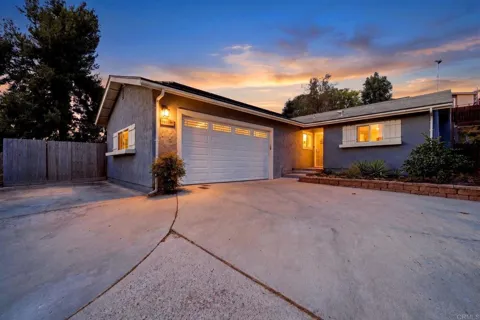
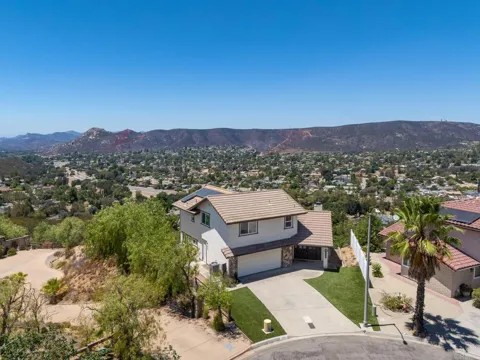
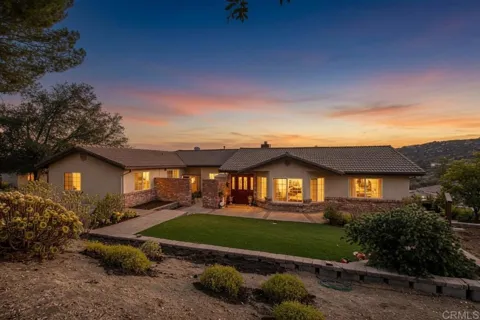
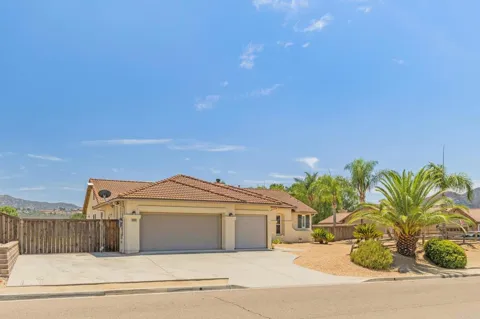
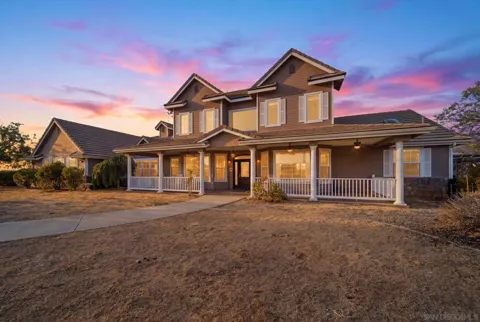
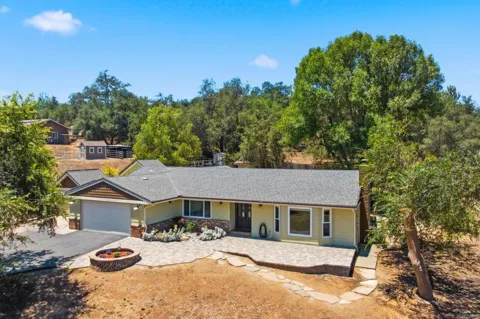
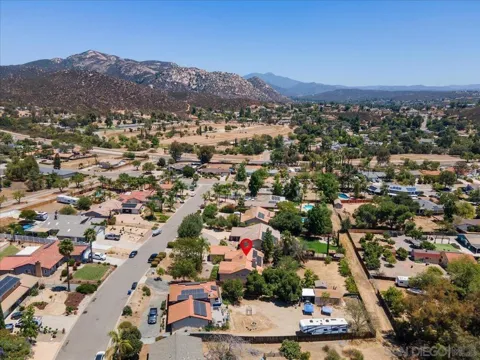
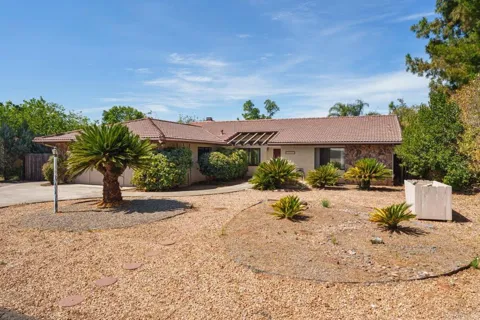
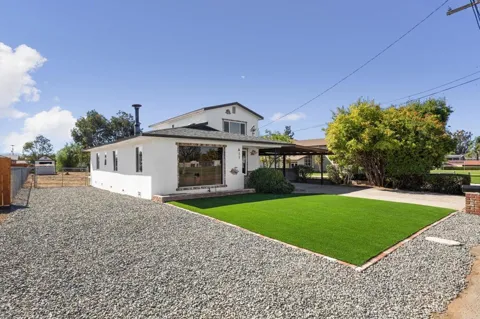
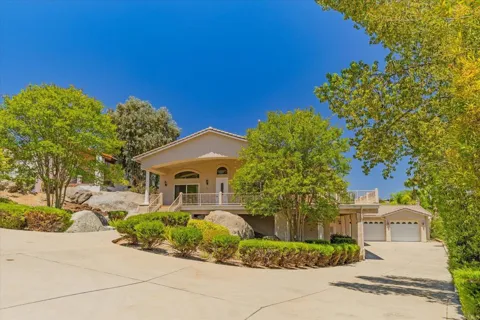
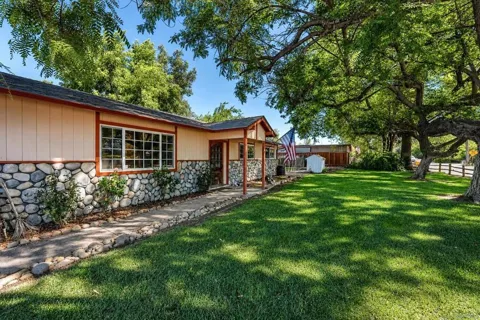
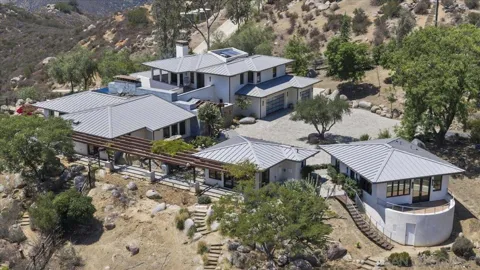
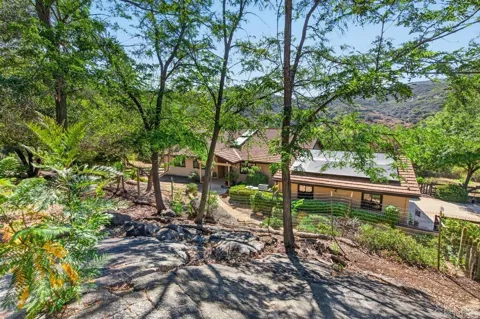
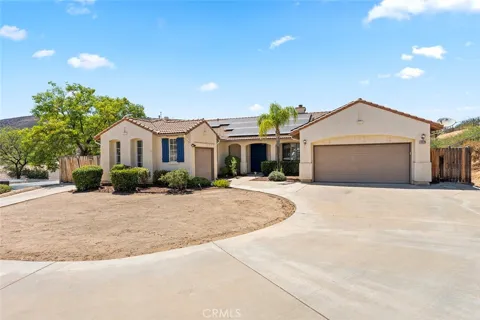
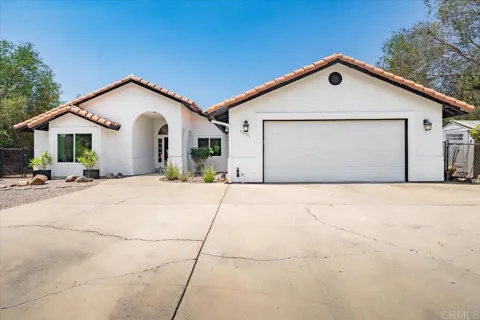
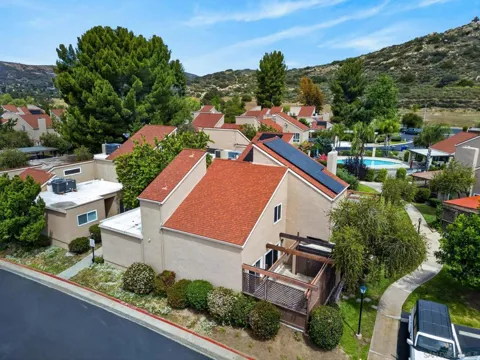
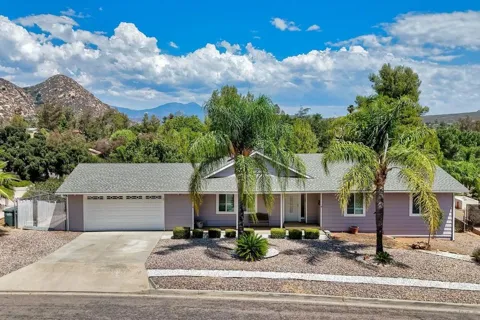
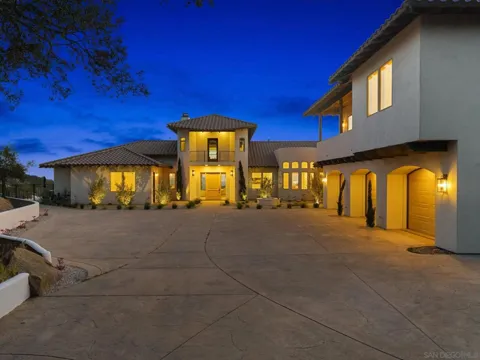
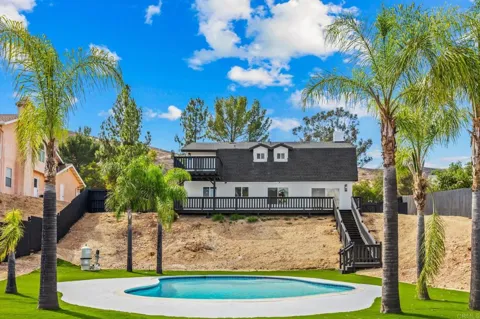
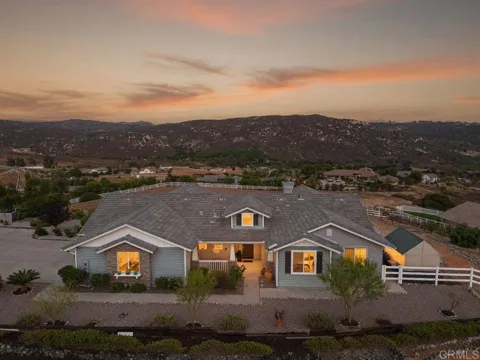
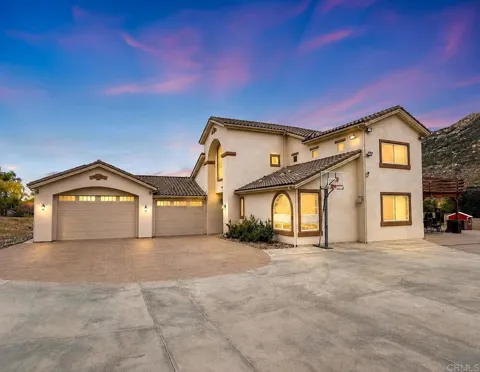
Ramona's housing stock reflects its rural, inland San Diego County setting. The community is dominated by detached single-family homes, many on larger lots, with a meaningful share of equestrian and rural acreage properties in the surrounding foothills. Ranches, ranch-style homes, and newer construction coexist, and the spread-out, unincorporated character means lot sizes and property types vary widely from in-town streets to rural parcels. Buyers are typically drawn by space, privacy, and the agricultural landscape rather than by dense suburban amenities. The wine-country setting and larger properties distinguish Ramona from the coastal San Diego County housing market.
Ramona's layout is centered on a historic downtown district with shops, galleries, and restaurants, surrounded by residential streets that thin into rural foothill properties. The community is a census-designated place rather than an incorporated city, so neighborhood identity tends to be informal and tied to geography — in-town streets, the downtown core, and the vineyards, ranches, and open land that radiate outward. This rural structure means homes are spread across the valley rather than clustered into formal subdivisions. The Ramona Valley AVA's vineyards and tasting rooms are themselves part of the area's neighborhood fabric.
Life in Ramona is defined by its rural, agricultural character and its wine-country identity. The Ramona Valley American Viticultural Area supports more than 80 commercial vineyards and dozens of tasting rooms, and wine has become central to the local culture and economy. The historic downtown offers shops, galleries, and restaurants, while the surrounding foothills provide a slower, country pace than coastal San Diego County. Residents value the space, the agricultural heritage, and the small-town feel, with outdoor recreation in the surrounding hills and a strong sense of community identity.
Ramona is served by the Ramona Unified School District, a public district based in the unincorporated community and covering eastern San Diego County. The district operates 11 schools and enrolls about 5,100 students, spanning elementary through high school. Because Ramona is an unincorporated area, the district serves as a key community institution and a central point of identity. Families should confirm school assignments by address, as the district covers a large geographic area. The district's relatively small, community-wide scale is typical of the rural East County setting.
Ramona is reached primarily by car along state highways from the greater San Diego area, and its rural, spread-out layout makes driving essential for most trips. The community's position in the inland foothills means commutes to San Diego and other coastal employment centers are longer than in the immediate suburbs, a trade-off residents accept for the rural setting. Public transit is limited, and the unincorporated, agricultural character of the area shapes both the road network and daily travel patterns. The wine-country backroads and highways define the experience of moving through the Ramona Valley.
Recreation in Ramona centers on the outdoors and the wine country. The Ramona Valley AVA offers dozens of tasting rooms and vineyards to explore, and the surrounding foothills provide hiking, riding, and open space. The historic downtown district adds shopping, galleries, and restaurants for a small-town outing. The area's agricultural roots — olives, citrus, and grapes — remain visible across the landscape, and the rural setting supports equestrian and outdoor pursuits. For residents and visitors alike, the combination of wine tasting, foothill trails, and a walkable downtown defines recreation here.
MARKET SNAPSHOT
How homes have been selling here over the last 90 days.
Market data reflects closed sales over the last 90 days and is provided for informational purposes.
BROWSE BY ZIP
Browse listings by postal code in this area.