Santa Clara River Valley Town
A citrus-heritage town in the Santa Clara River Valley, founded by the Southern Pacific Railroad in 1887.
Fillmore is a small city in Ventura County, California, located in the Santa Clara River Valley, an agricultural corridor framed by mountains that stretches from Ventura County east toward Santa Clarita. The city's population is roughly 17,000, and the community is predominantly Hispanic or Latino, reflecting the valley's agricultural workforce and heritage. Fillmore was established in 1887, when the Southern Pacific Railroad built its main line through the Santa Clara River Valley on the route between San Francisco and Los Angeles. The town was named for J.A. Fillmore, a general superintendent for the railroad's Pacific system. The railroad defined Fillmore's early growth, and the valley's rich, fertile soil made citrus the foundation of the local economy, with packing houses shipping oranges along the rail line well into the 20th century. The Fillmore & Western Railway, which operates on the historic Southern Pacific right-of-way, recalls that citrus-hauling heritage today. The city's historic downtown preserves the character of its rail-and-agriculture origins, with early-20th-century buildings that have made it a sought-after filming location and a reminder of small-town Southern California. The Fillmore Historical Museum, housed in a restored 1887 Southern Pacific depot, interprets the town's founding, early settlers, railroad expansion, and citrus industry. State Route 126, which follows the valley, connects Fillmore to Ventura and the coast to the west and Santa Clarita to the east. Today, Fillmore functions as a family-oriented small town and a more affordable alternative to Ventura County's coastal cities. Its housing is modest and homeownership-oriented, and the community's identity remains tied to the orchards, farms, and rail heritage that shaped it. Fillmore appeals to families and residents seeking a slower pace, a walkable historic downtown, and convenient access to the coast and the broader Southern California region.
Fillmore is in Ventura County, California, in the Santa Clara River Valley. The city sits in an agricultural area with rich, fertile soil, roughly between the larger communities of Santa Clarita to the east and Ventura to the west, along State Route 126.
Fillmore is known for its citrus and agricultural heritage, its historic downtown, and its origins as a Southern Pacific Railroad town founded in 1887. The Fillmore Historical Museum and the Fillmore & Western Railway preserve the town's rail and citrus-packing history.
Fillmore is served by the Fillmore Unified School District, which operates the city's public schools. The district serves Fillmore and the surrounding Santa Clara River Valley area, and families commonly confirm school assignments through the district.
Fillmore was founded in 1887 when the Southern Pacific Railroad built its line through the Santa Clara River Valley. The town was named for J.A. Fillmore, a general superintendent for the railroad's Pacific system, and its growth was driven by the citrus industry that shipped fruit along the rail line.
City Guide
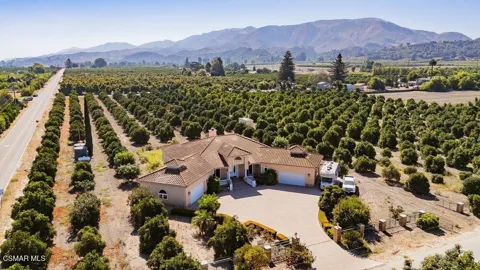
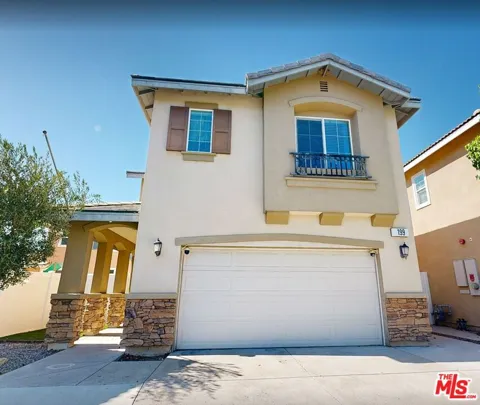
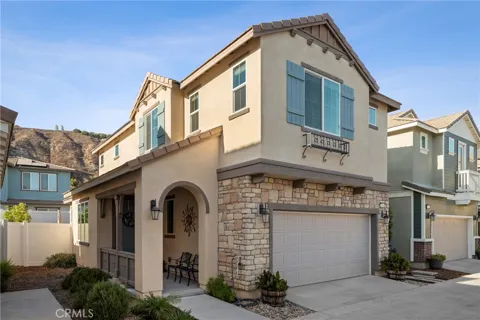
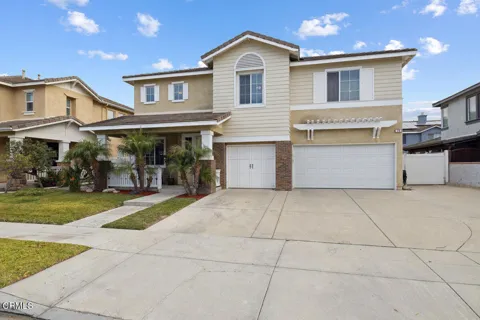
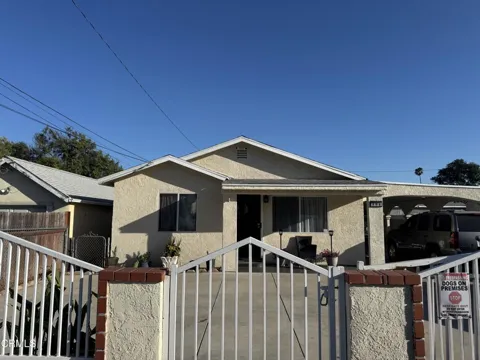
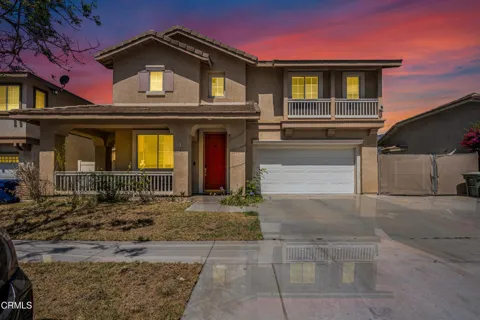
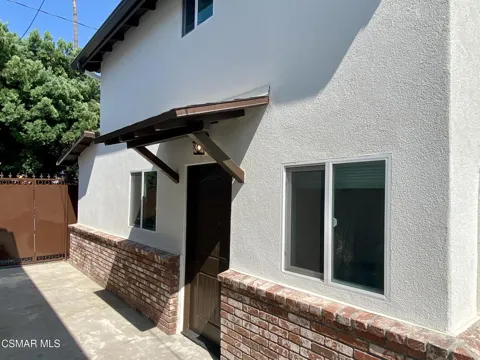
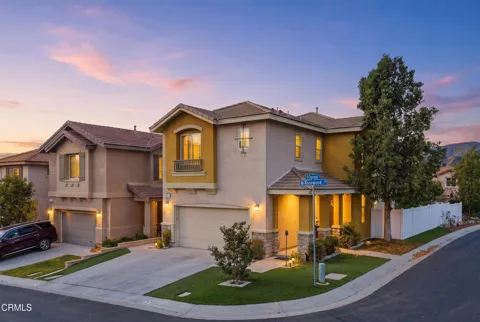
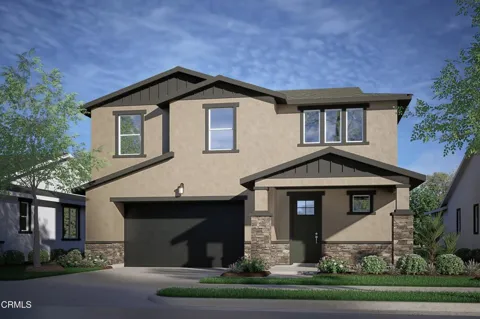
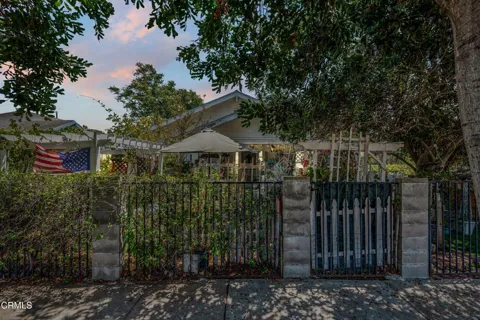
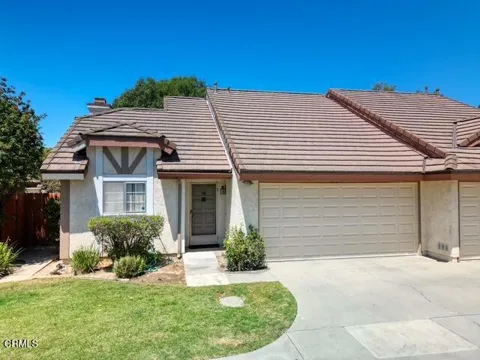
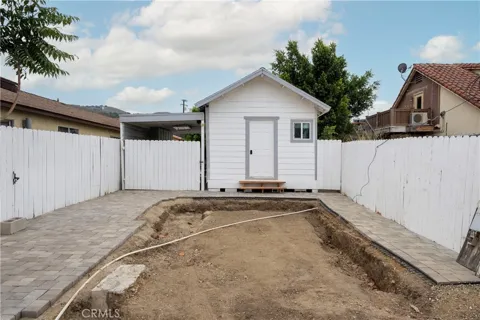
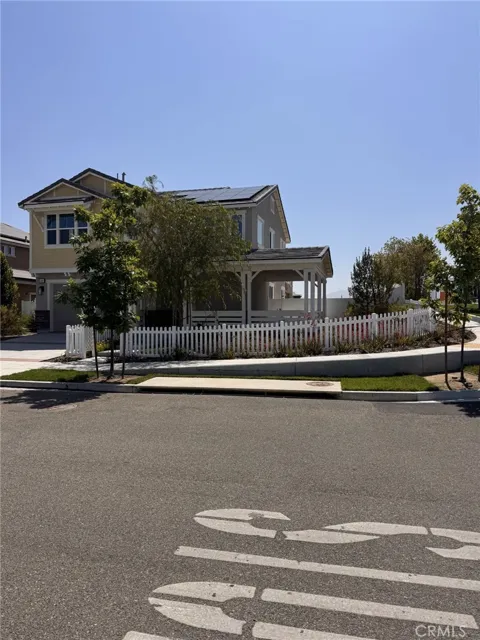
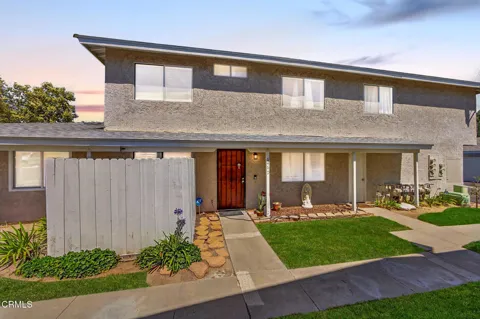
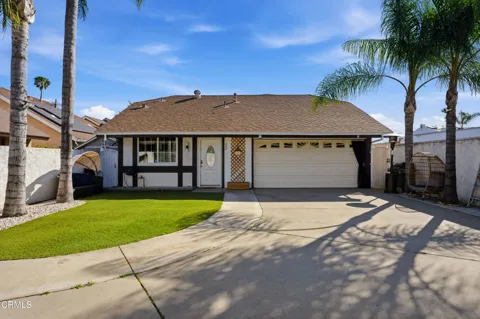
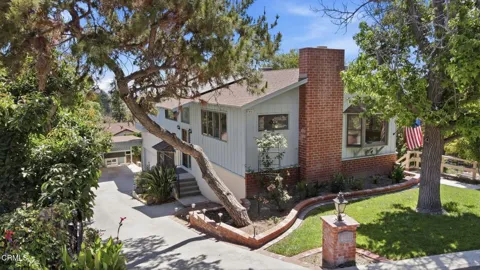
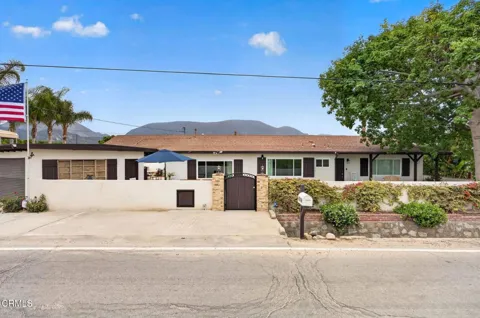
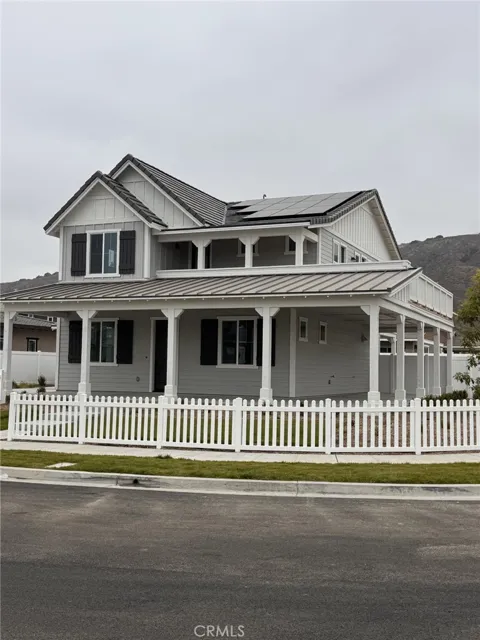
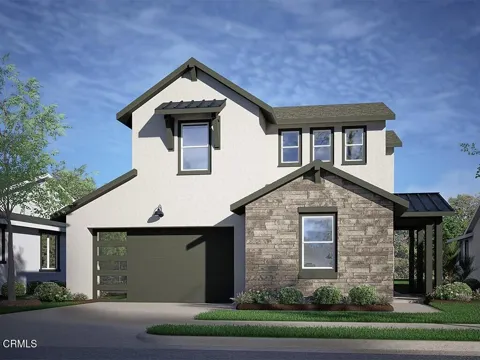
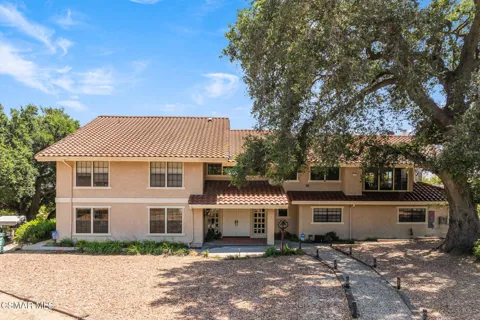
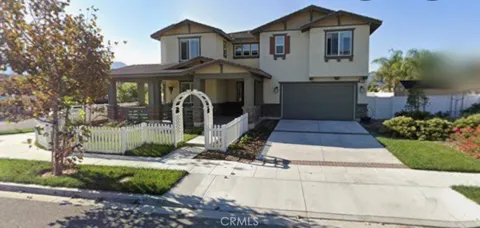
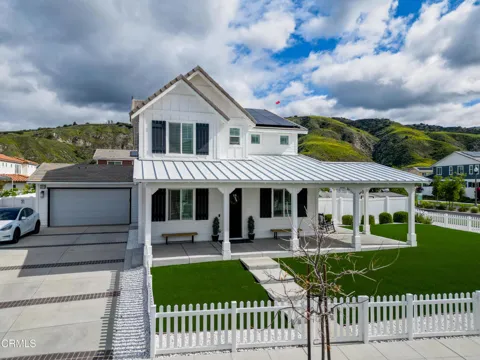
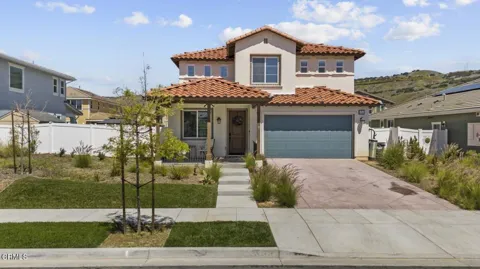
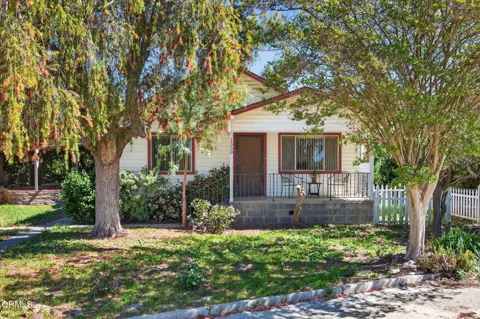
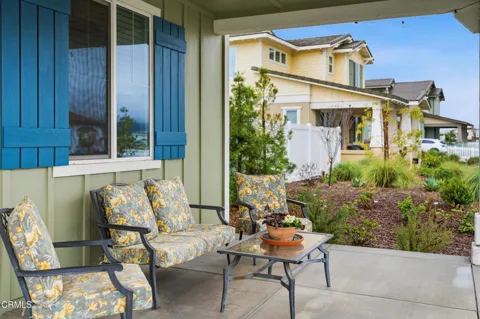
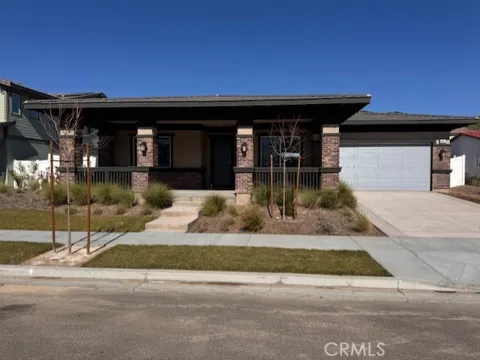
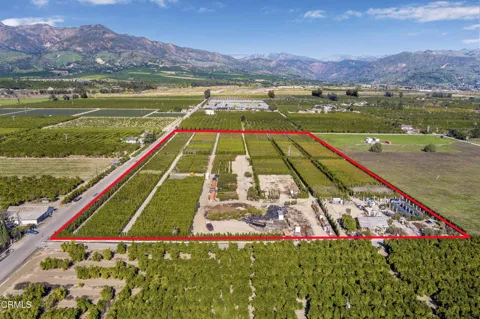
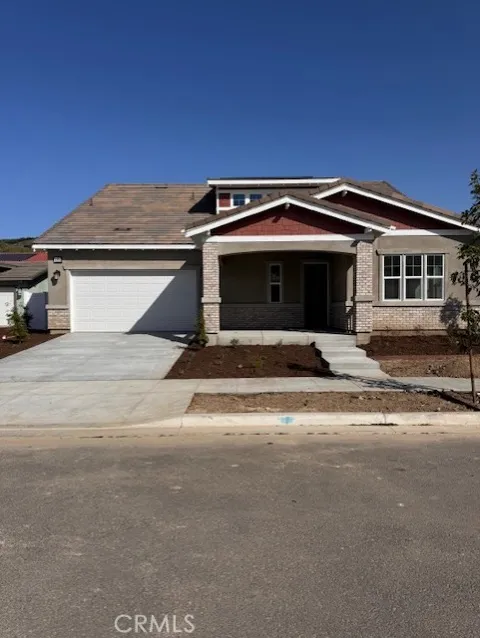
Fillmore's housing stock reflects its small-town, agricultural origins, with a mix of older single-family homes near the historic downtown, mid-century construction, and newer subdivisions on the town's edges. Homes tend to be modest in scale and more affordable than those in Ventura County's coastal communities, a key draw for families and first-time buyers. Most residents own their homes, and the community has a sparse-suburban feel, with some larger lots and rural properties surrounding the city. The town's location in the Santa Clara River Valley and its distance from the coast keep prices comparatively approachable, while the scenic setting and small-town character add enduring appeal for those seeking a quieter California lifestyle.
Fillmore is organized around its historic downtown, which sits near the railroad tracks and preserves the scale of the town's late-19th and early-20th-century commercial core. Residential neighborhoods spread outward from the center in a traditional grid of older homes, transitioning into mid-century subdivisions and newer developments toward the city's edges. The Santa Clara River and the surrounding orchards and hills frame the community, and the flat valley floor keeps the town walkable and bikeable in its central areas. Fillmore's neighborhoods are cohesive and family-oriented, with the historic Hinckley House bed and breakfast and other early buildings adding character near the downtown.
Fillmore offers a small-town, family-oriented lifestyle rooted in its agricultural and railroad heritage. The historic downtown, with its early-20th-century buildings, independent shops, and local eateries, provides a walkable center and a sense of continuity with the town's citrus-era past. Community life revolves around schools, local festivals, and the surrounding orchards and farms that still shape the Santa Clara River Valley. The town is more affordable and slower-paced than Ventura County's coastal cities, appealing to families and those seeking a quieter setting. Residents enjoy the valley's scenic backdrop of mountains and farmland, with the coast and larger urban areas within reasonable reach along State Route 126.
Public education in Fillmore is provided by the Fillmore Unified School District, which operates the city's public schools, including elementary, middle, and high school campuses serving Fillmore and the surrounding Santa Clara River Valley area. The district is a central institution in this family-oriented community, and its schools are closely tied to local life. Families commonly confirm school assignments through the district, as attendance boundaries vary by neighborhood. For higher education and additional programs, residents are within reach of Ventura College and other institutions in Ventura County, as well as the broader higher-education network of the Los Angeles region.
Fillmore is served by State Route 126, the principal east-west corridor through the Santa Clara River Valley, which connects the city to Ventura and the coast to the west and to Santa Clarita and the Interstate 5 corridor to the east. This positioning gives residents access to Ventura County's coastal employment centers and to the greater Los Angeles area. The town's rail heritage continues through the Fillmore & Western Railway, though daily commuting is automobile-based, with regional commuter rail available in nearby communities. Within Fillmore, the compact downtown and flat valley layout make the central areas walkable and bikeable, while the surrounding orchards and hills frame the drive in every direction.
Recreation in Fillmore draws on the Santa Clara River Valley's agricultural landscape and the town's rail heritage. The Fillmore Historical Museum, set in an 1887 Southern Pacific depot, offers a look at the town's railroad and citrus past, and the Fillmore & Western Railway provides excursion train rides through the valley's orchards. The surrounding hills and the nearby Los Padres National Forest offer hiking and outdoor recreation, while the Santa Clara River and valley roads are popular for cycling. Community festivals and the historic downtown provide year-round gathering points, and the beaches of Ventura and the attractions of the greater Los Angeles area are within an easy drive along State Route 126.
MARKET SNAPSHOT
How homes have been selling here over the last 90 days.
Market data reflects closed sales over the last 90 days and is provided for informational purposes.
BROWSE BY ZIP
Browse listings by postal code in this area.