Sunset Strip & Rainbow District
Welcome to West Hollywood, the walkable Los Angeles County city set between Beverly Hills and Hollywood, home to the Sunset Strip, the Rainbow District, and the Design District.
West Hollywood is a compact, densely built city in Los Angeles County, California, wedged between the city of Los Angeles and Beverly Hills at the base of the Hollywood Hills. Incorporated in 1984, the city made national history as the first U.S. municipality to form with a majority-gay city council, and it has remained a center of LGBTQ+ civic life and culture ever since. Its roughly 36,000 residents live within about two square miles, giving West Hollywood an unusually walkable, urban character for the Los Angeles region. The city grew up around the Sunset Strip, a 1.7-mile stretch of Sunset Boulevard that for decades was an unincorporated "county strip" where nightclubs and casinos operated beyond Los Angeles' stricter rules. That anything-goes energy made the Strip a global epicenter of rock and roll in the 1960s, and its legacy venues and nightlife still anchor the city's identity. Along Santa Monica Boulevard, the Rainbow District carries forward the city's queer heritage, while the Design District around Melrose Avenue, Robertson Boulevard, and Beverly Boulevard is a destination for high-end interior design, fashion, and dining, anchored by the Pacific Design Center. Economically, West Hollywood draws on entertainment, hospitality, and the design trade. Its roughly 20 hotels and dense restaurant and retail corridors support a steady visitor economy, while its residents are largely renters in apartments and condominiums. The city is served by the Los Angeles Unified School District as well as nearby private and independent schools, and its walkable streets, Metro bus routes, and the Cityline shuttle connect residents to Hollywood, Beverly Hills, and greater Los Angeles. For buyers and renters seeking an urban, culture-rich address with rare-in-L.A. walkability, West Hollywood is a distinctive and enduring choice.
West Hollywood is an independent city located in Los Angeles County, California. It is bordered by the city of Los Angeles on the east and Beverly Hills on the west, near the base of the Hollywood Hills.
West Hollywood is best known for the Sunset Strip, a historic nightlife and music corridor; the Rainbow District, a longtime center of LGBTQ+ community and culture along Santa Monica Boulevard; and the Design District, a hub of interior design, fashion, and dining. In 1984 it became the first U.S. city to incorporate with a majority-gay city council.
West Hollywood's public schools are part of the Los Angeles Unified School District (LAUSD), including West Hollywood Elementary. Because the city borders Beverly Hills, nearby Beverly Hills Unified schools and a range of private and independent schools are also options for area families.
Yes. West Hollywood is one of the most walkable and transit-connected cities in the Los Angeles region, with a compact street grid, dense commercial corridors along Sunset and Santa Monica Boulevards, Metro bus service, and the free Cityline shuttle connecting to Metro rail at Hollywood/Highland.
West Hollywood had a population of 35,757 in the 2020 U.S. census, living within roughly two square miles. This makes it a dense, urban city with a predominantly apartment and condominium housing stock.
City Guide
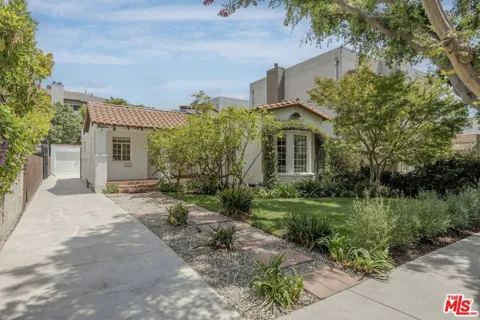
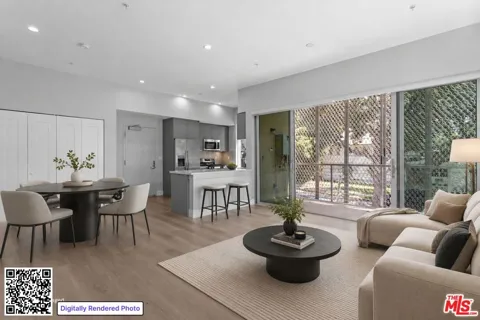
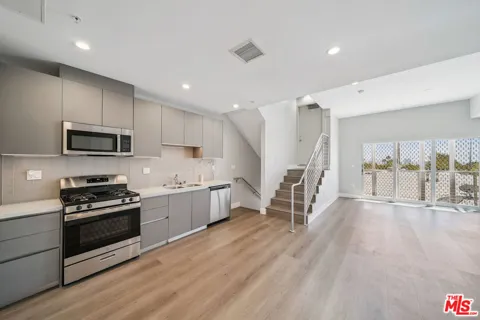
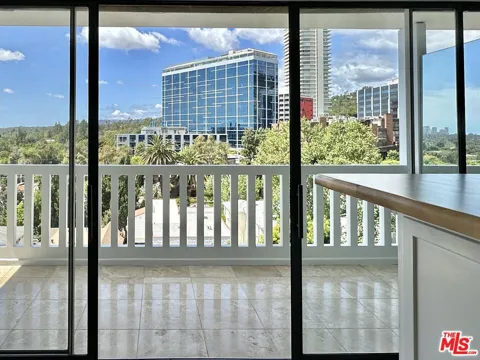
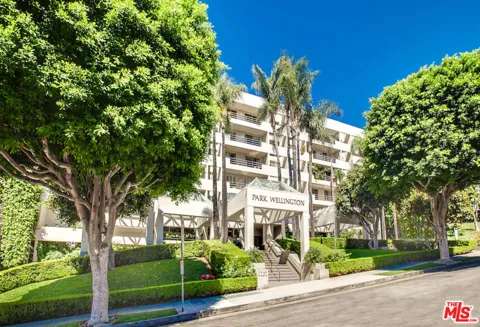
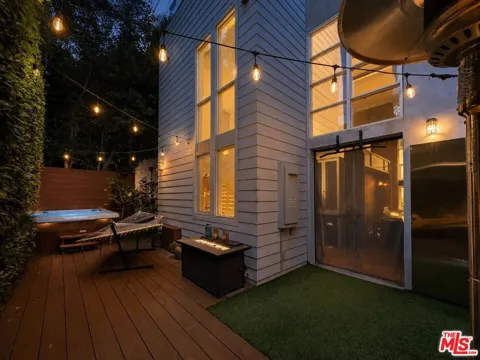
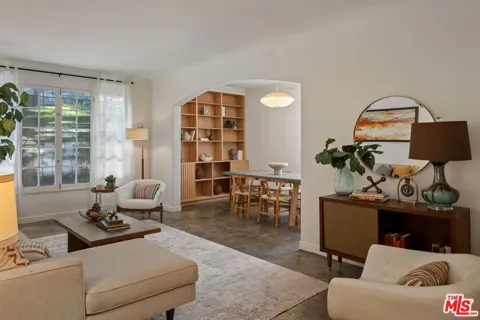
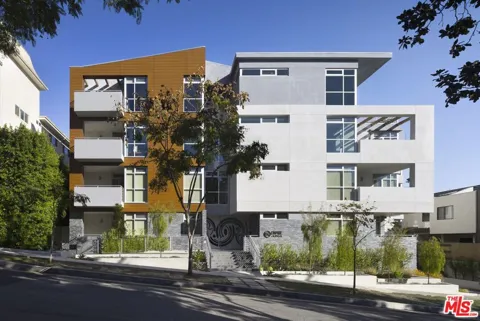
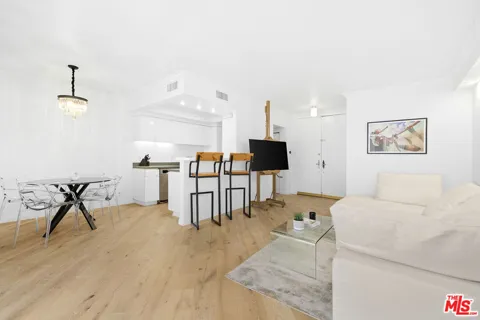
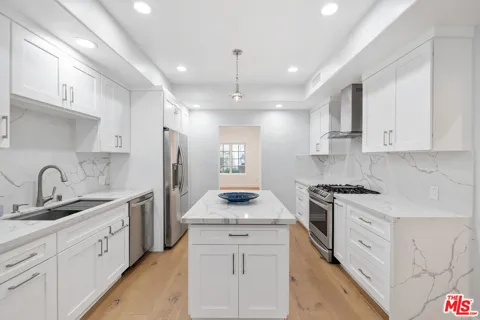
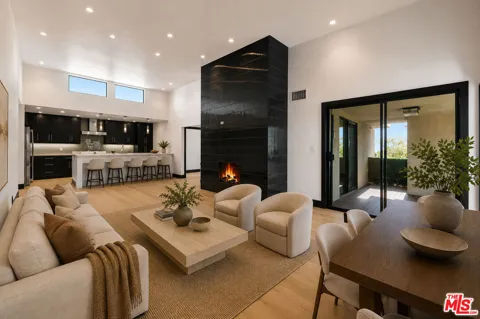
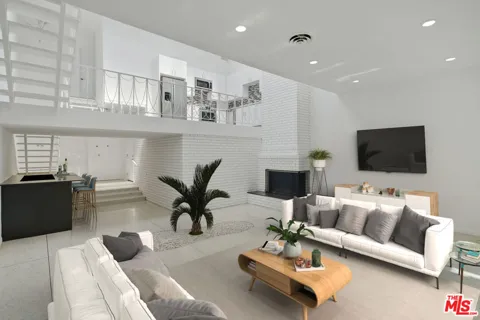
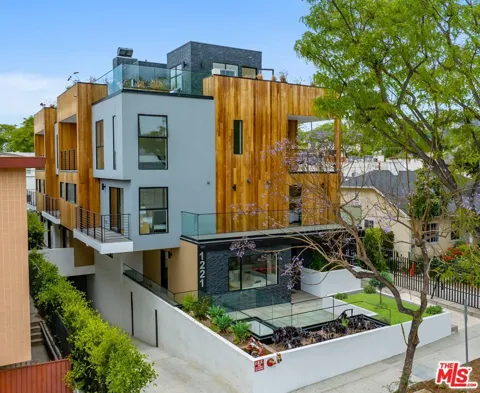
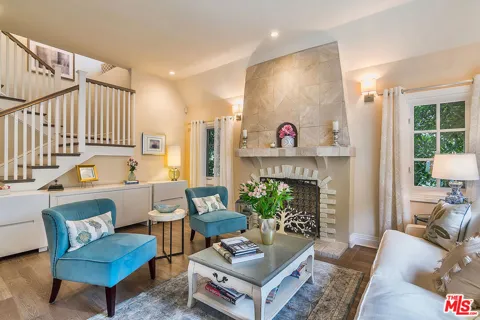
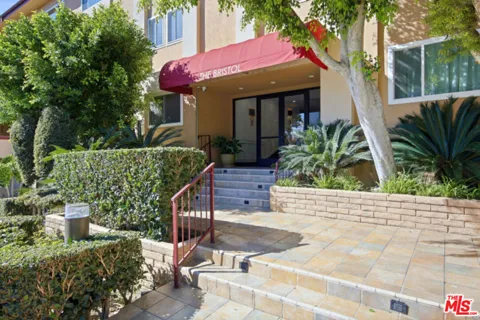
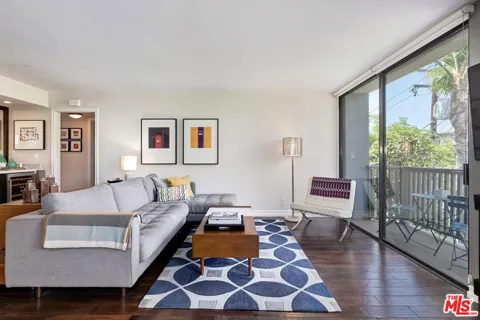
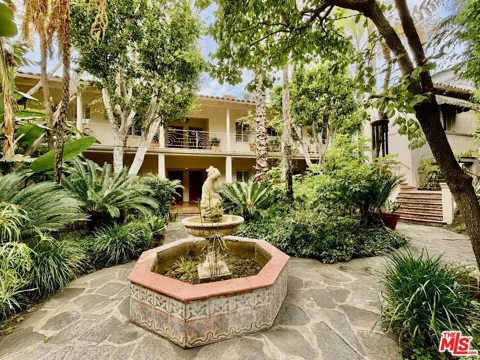
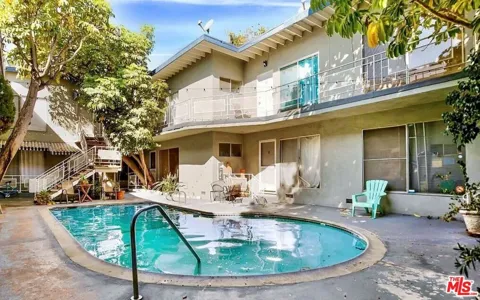
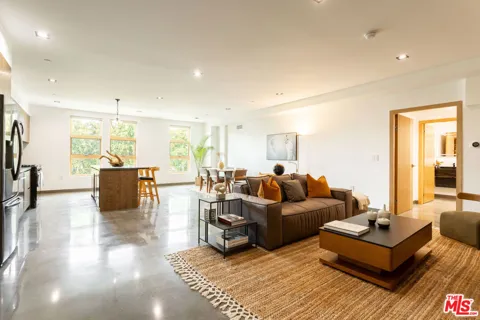
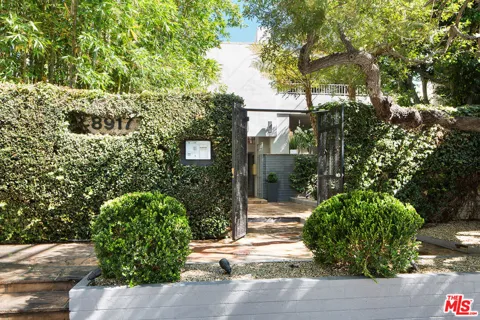
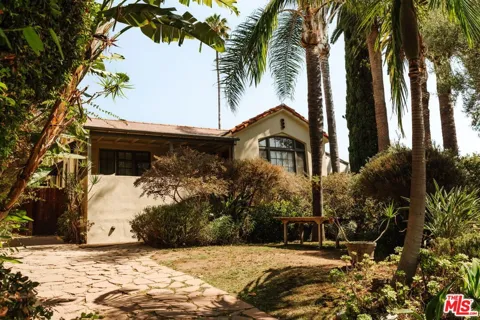
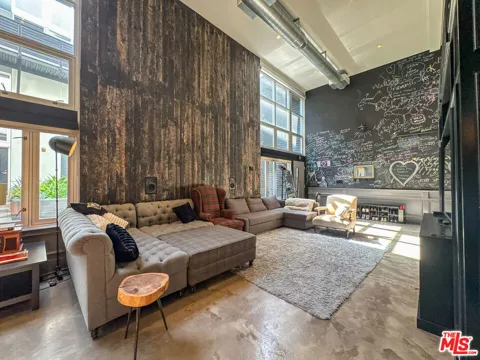
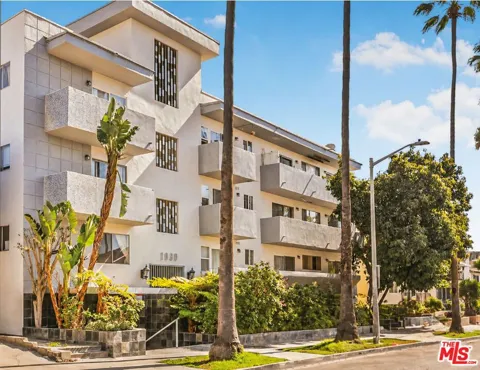
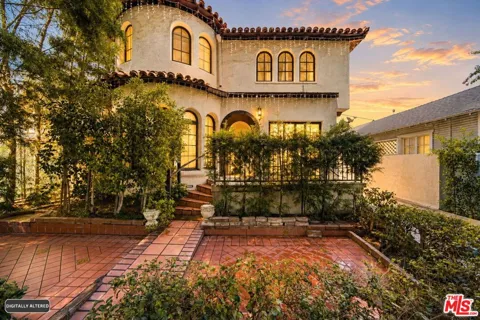
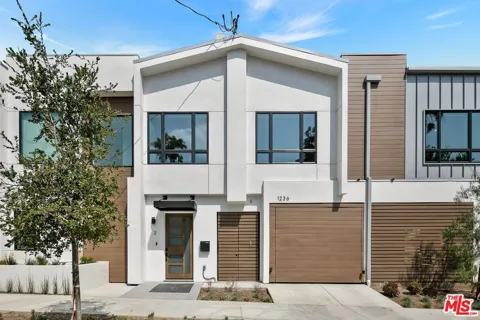
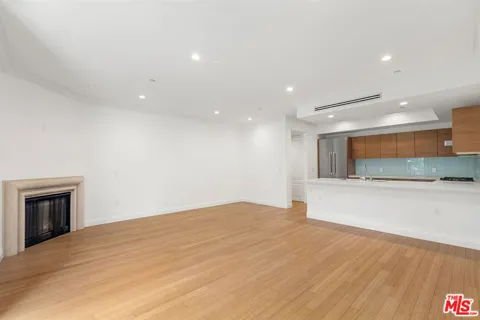
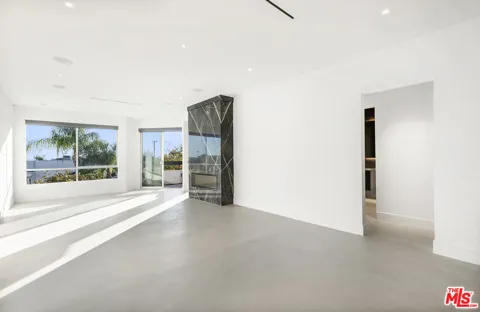
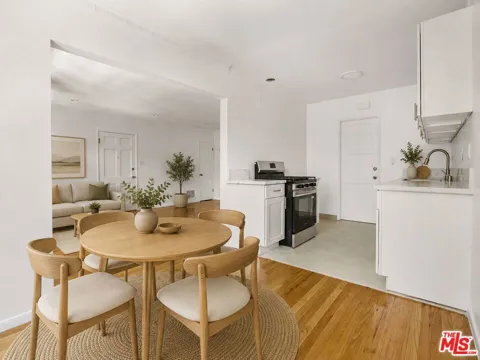
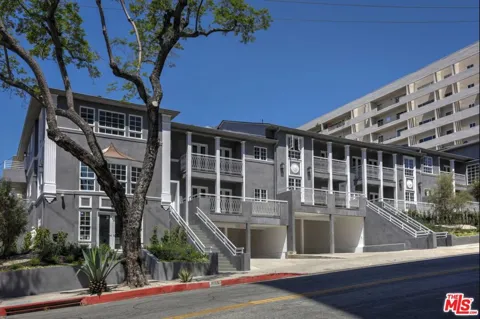
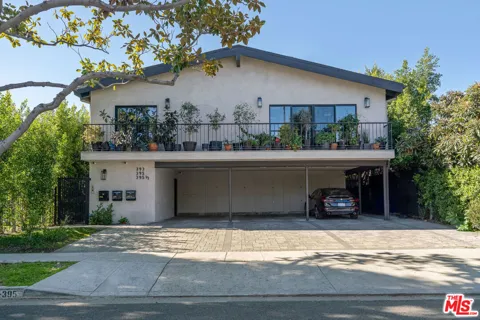
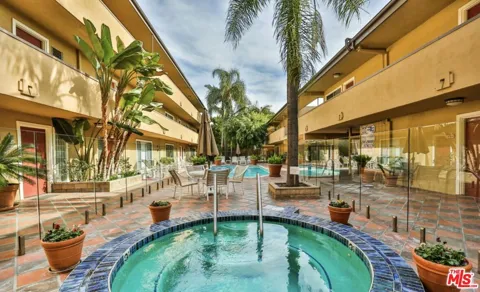
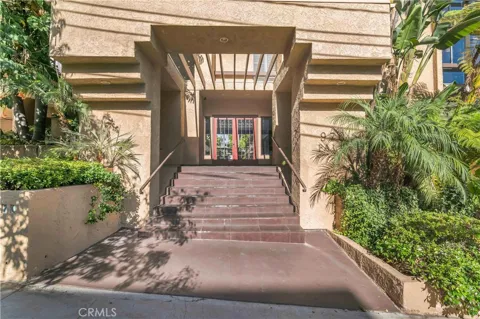
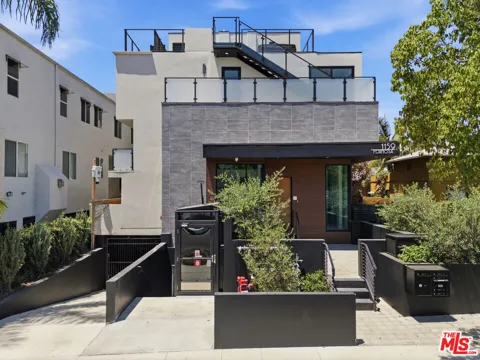
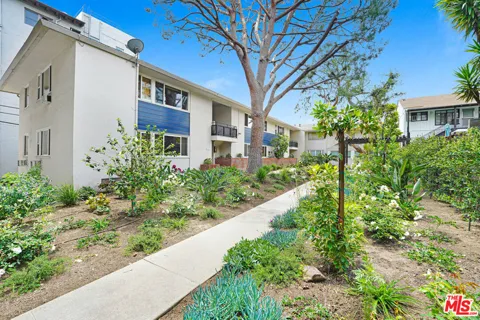
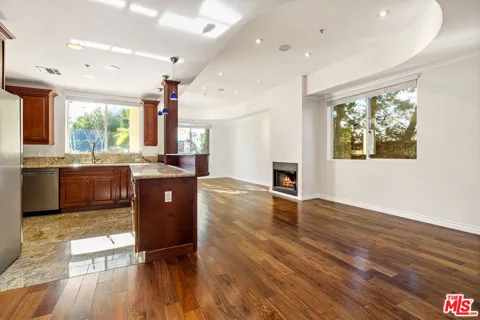
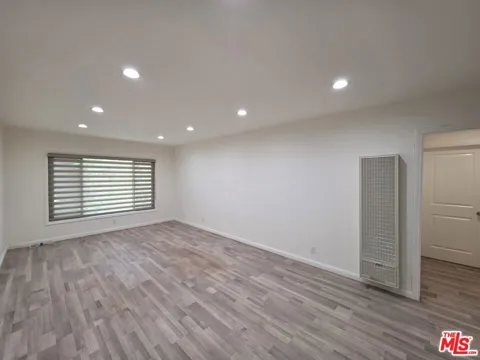
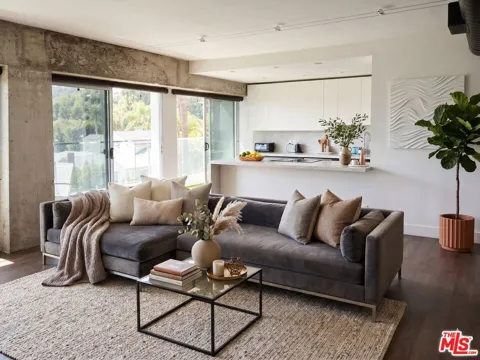
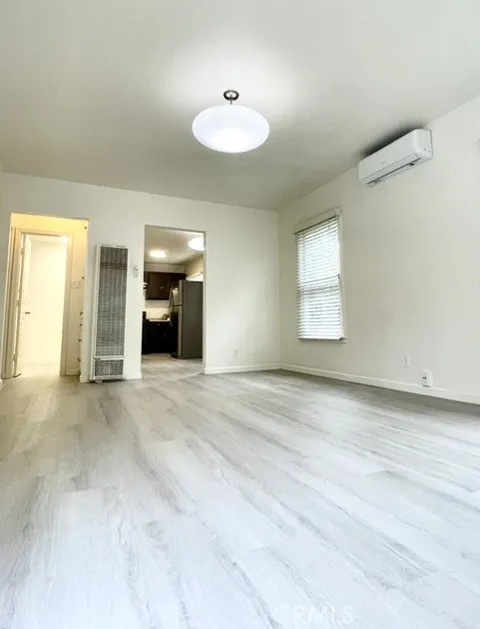
West Hollywood's housing stock is overwhelmingly multifamily: mid-rise and courtyard apartments, condominiums, and a smaller supply of single-family and hillside homes on the northern edge. Much of the building fabric dates from the mid-20th century, with Spanish and Mediterranean influences alongside sleek mid-century and contemporary designs, and a steady addition of modern high-rise residences in recent decades. The city is dense and pedestrian-oriented, and its prime corridors—Sunset Boulevard, Santa Monica Boulevard, and the Design District streets—place residents within walking distance of dining, nightlife, and shops. Housing is dominated by rental units rather than owner-occupied single-family homes, reflecting West Hollywood's urban, transient, and service-oriented character.
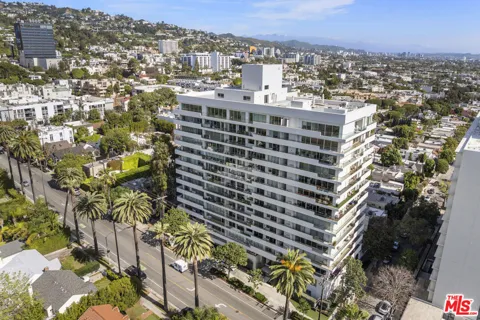
West Hollywood organizes itself around three signature districts. The Sunset Strip is the storied nightlife and entertainment corridor, running the length of Sunset Boulevard and lined with historic clubs, hotels, and music venues. The Rainbow District follows Santa Monica Boulevard—old Route 66—and is the heart of the city's LGBTQ+ community, with bars, cafés, and shops that have anchored the area for decades. The Design District, centered on Melrose Avenue, Robertson Boulevard, and Beverly Boulevard, is a pedestrian-friendly hub of interior design showrooms, fashion boutiques, and destination restaurants, anchored by the landmark Pacific Design Center. Smaller residential pockets such as Norma Triangle and the western flats round out a city where nearly every address sits close to a commercial core.
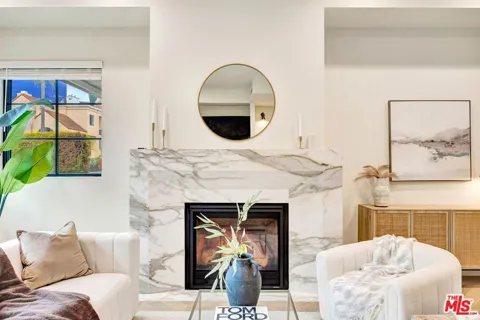
Life in West Hollywood revolves around its districts and the pedestrian street life between them. The city is one of the most LGBTQ+-inclusive communities in the country, and its calendar is shaped by major events such as WeHo Pride and the city's famously large Halloween Carnaval along Santa Monica Boulevard. Dining and nightlife are central to the culture, from historic music rooms like the Whisky A Go Go, the Roxy Theatre, and the Troubadour to the Comedy Store and a dense network of restaurants and rooftop bars. The Design District adds a layer of art, architecture, and fashion, while the proximity of the entertainment industry gives the city a creative, cosmopolitan character that draws residents who want an urban Los Angeles lifestyle without the car dependence.
Public schools in West Hollywood are part of the Los Angeles Unified School District (LAUSD), with West Hollywood Elementary serving local families alongside nearby LAUSD middle and high schools. Because the city borders Beverly Hills, some families also consider the Beverly Hills Unified School District for private or boundary-adjacent options, and the broader Westside offers numerous independent and parochial schools. West Hollywood's urban environment means students often attend schools across the greater Hollywood and Mid-City area, and the city supports its school community through local recreation and after-school programming. Families weighing the area should note its predominantly apartment-based housing stock and the corresponding mix of school-age and adult residents.
West Hollywood is among the most walkable and transit-accessible cities in the Los Angeles region. Santa Monica Boulevard and Sunset Boulevard function as its two main east-west spines, connecting to Hollywood, Beverly Hills, and central Los Angeles. Metro bus routes serve the city, and the city-run Cityline shuttle follows Santa Monica Boulevard to link West Hollywood with the Metro B Line at Hollywood/Highland, along with a free weekend nighttime service known as WeHo PickUp. The compact street grid and short block lengths make walking and cycling practical for daily errands, while drivers reach the wider Westside, downtown Los Angeles, and nearby freeways within minutes. The city's density supports a car-lighter lifestyle unusual for the region.
West Hollywood's parks anchor its outdoor life. Plummer Park, established in 1937 and named for an early settler family, offers tennis and pickleball courts, playgrounds, picnic areas, and community facilities along Santa Monica Boulevard. West Hollywood Park near the city's civic center provides additional green space and recreation, and the nearby Hollywood Hills open onto trails such as those in Runyon Canyon and Griffith Park for hiking with sweeping views of the basin. The city's signature public gatherings—WeHo Pride in June and the Halloween Carnaval—transform its streets into some of the region's largest outdoor events, while the walkable boulevards themselves serve as the everyday social and exercise space for many residents.
MARKET SNAPSHOT
How homes have been selling here over the last 90 days.
Market data reflects closed sales over the last 90 days and is provided for informational purposes.
BROWSE BY ZIP
Browse listings by postal code in this area.