South Bay Beachfront City
Welcome to Torrance, the South Bay city with a stretch of Santa Monica Bay shoreline, midcentury neighborhoods, and one of the largest shopping centers in the country.
Torrance sits in the South Bay region of Los Angeles County, roughly 20 miles southwest of downtown Los Angeles and directly inland from Santa Monica Bay. The city grew from a planned industrial and residential community into one of the larger cities in the South Bay, with a population of roughly 147,000 spread across 20.5 square miles. Its geography places it between the Pacific coastline to the west and the Palos Verdes Peninsula to the south, with the Harbor (110) and San Diego (405) freeways framing its eastern and northern edges. Torrance has long balanced a strong industrial and corporate employment base with a family-oriented residential character. The city is home to aerospace, petrochemical, and manufacturing employers, and its location near the Port of Los Angeles and Los Angeles International Airport ties it closely to the region's logistics economy. At the same time, Torrance is known for its quiet, tree-lined neighborhoods, its beach, and its well-regarded public schools, which together have made it a popular choice for families working across the South Bay and greater Los Angeles. The city's residential identity is rooted in its post-World War II expansion, when large tracts of ranch and midcentury homes were built to house workers in the region's growing aerospace and industrial sectors. That midcentury character remains visible throughout much of the city today, alongside earlier historic districts near the original downtown and newer construction in the southern and western areas. Torrance is also notable as the birthplace of the American Youth Soccer Organization (AYSO), reflecting the city's deep connection to youth sports and organized recreation. For residents, Torrance offers a blend of suburban comfort and coastal access. A mile and a half of beachfront along Santa Monica Bay, more than 30 parks, and the retail and dining hub of the Del Amo Fashion Center anchor daily life, while the nearby freeways and transit options provide connections to the rest of the Los Angeles basin. The combination of jobs, schools, parks, and beach proximity makes Torrance a practical choice for a wide range of households, from young families to long-time residents.
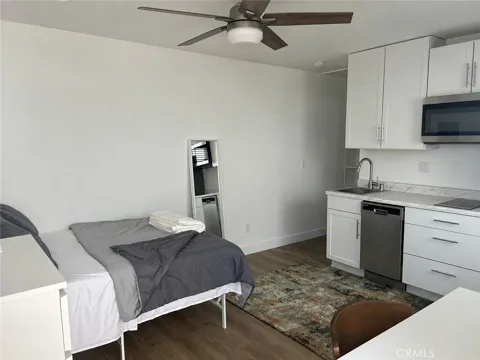
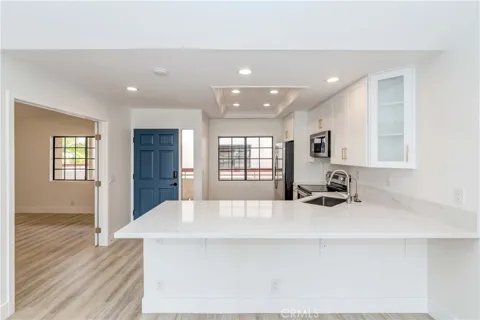
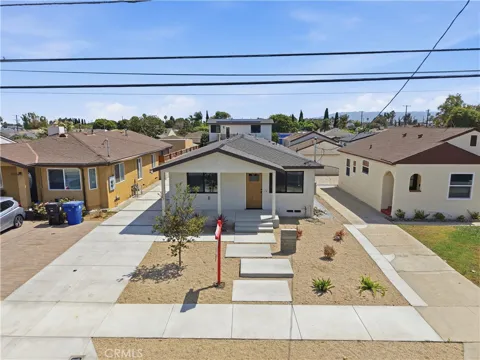
Torrance is in Los Angeles County, California, in the South Bay region roughly 20 miles southwest of downtown Los Angeles. The city lies inland from Santa Monica Bay and near the Palos Verdes Peninsula, spanning about 20.5 square miles with a population of roughly 147,000 residents.
Torrance is served by the Torrance Unified School District, a K-12 public district with about 32 schools and roughly 22,000 students. The district has served the city since its schools unified in the late 1940s.
Torrance is about 20 miles southwest of downtown Los Angeles. Via the Harbor (110) Freeway, downtown is roughly 30 to 45 minutes away, and Los Angeles International Airport is about 15 to 20 minutes away via the San Diego (405) Freeway.
Torrance's notable districts include Old Torrance, the historic downtown core; Central Torrance, known for postwar ranch and midcentury homes; and the established single-family areas of West and South Torrance, the latter closer to the Palos Verdes Peninsula and the coast.
Torrance is known for the Del Amo Fashion Center, one of the largest shopping malls in the United States, its beach and more than 30 parks, and its role as the birthplace of the American Youth Soccer Organization (AYSO).
City Guide
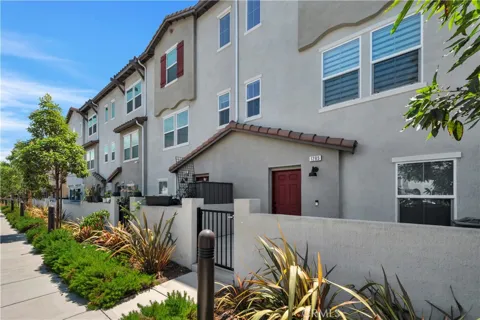
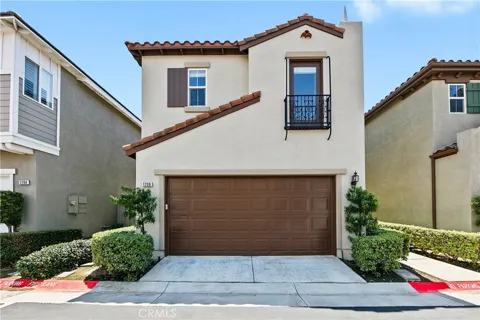
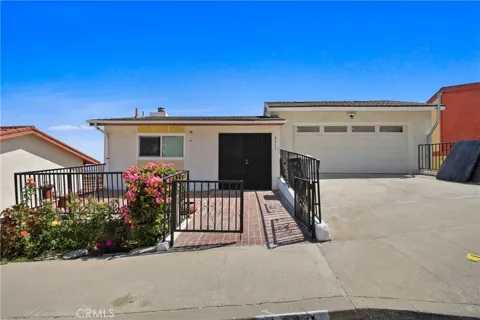
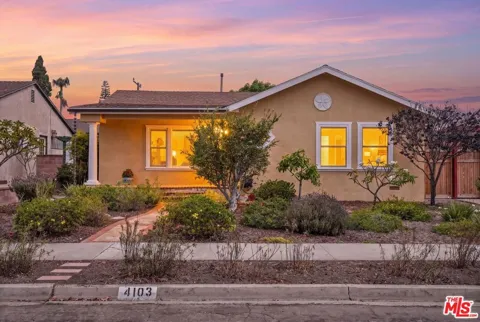
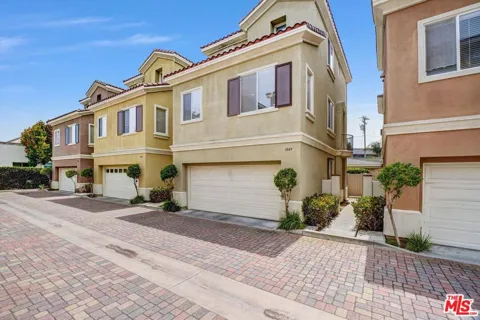
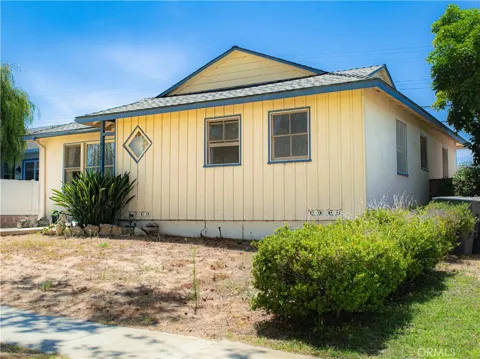
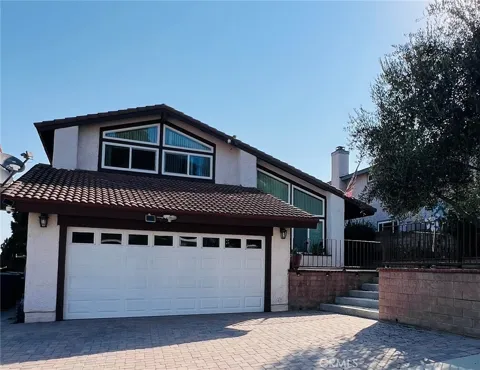
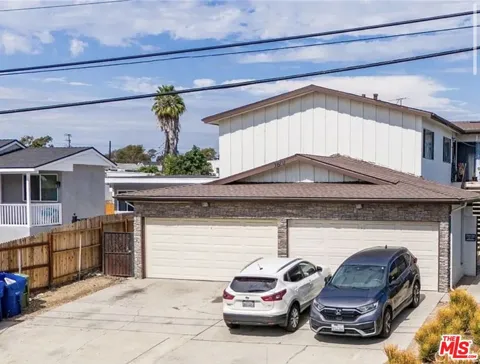
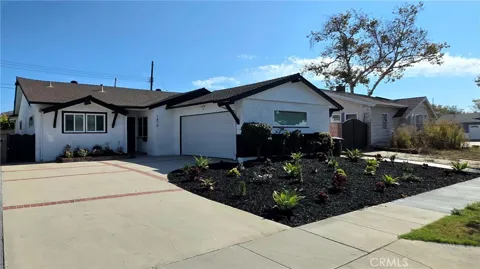
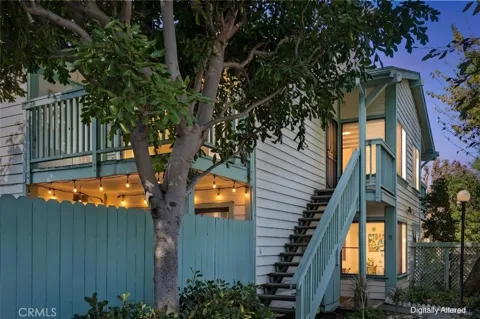
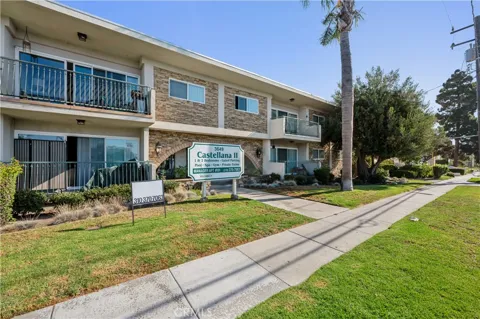
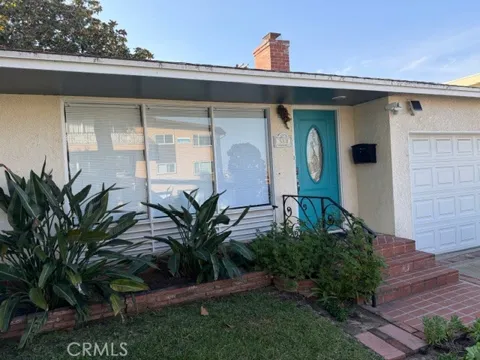
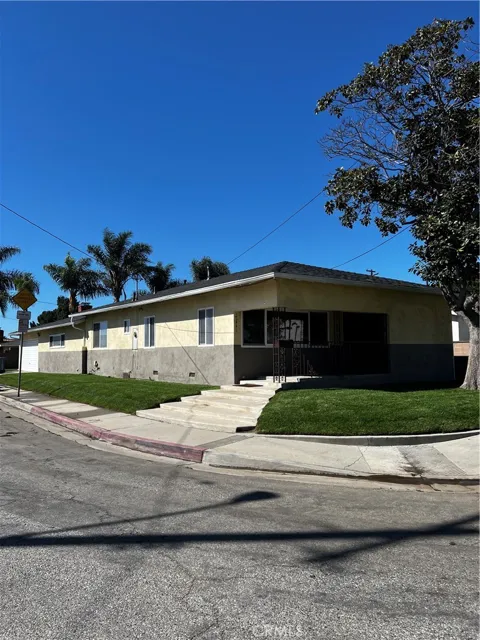
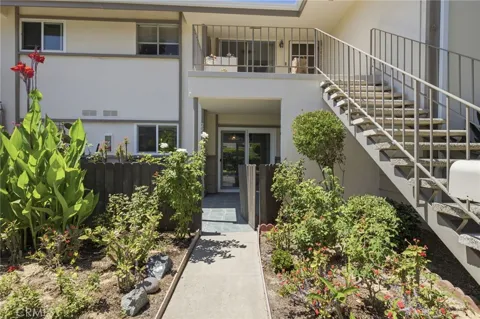
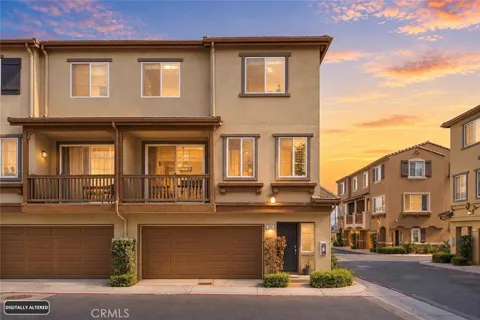
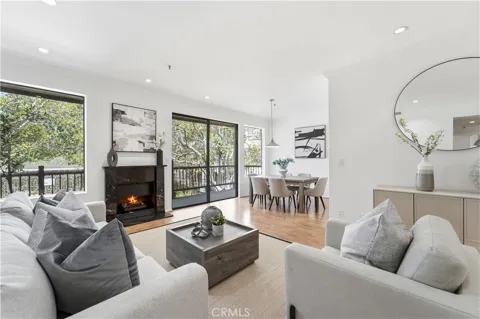
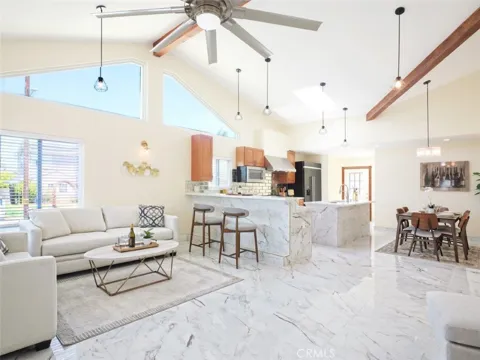
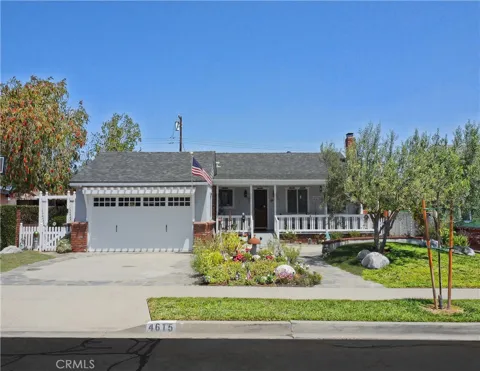
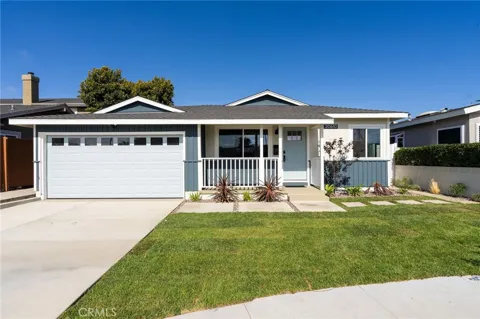
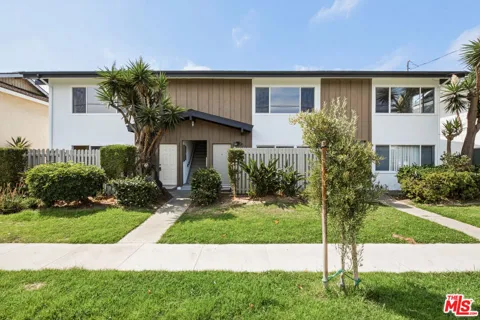
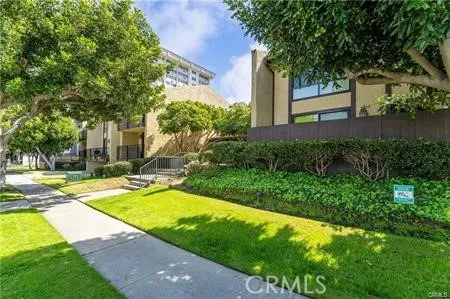
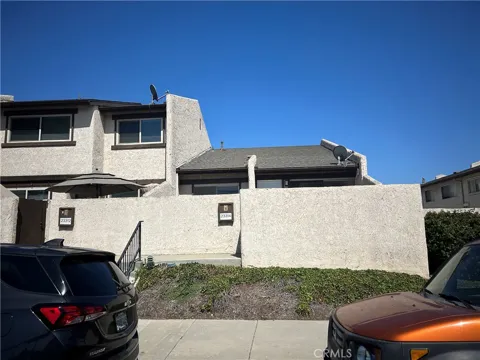
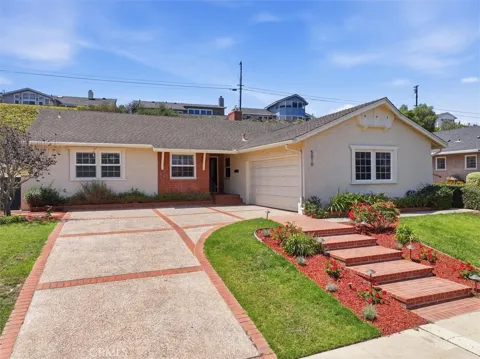
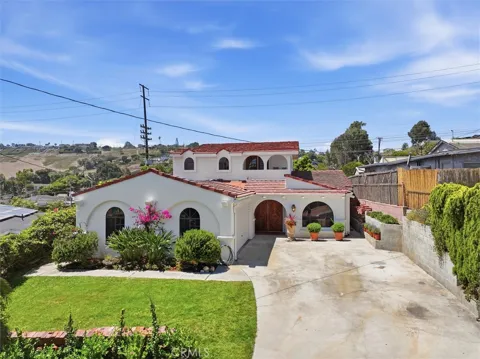
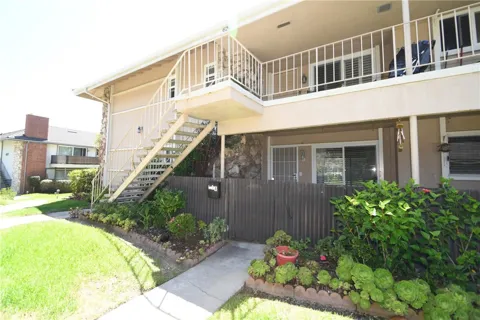
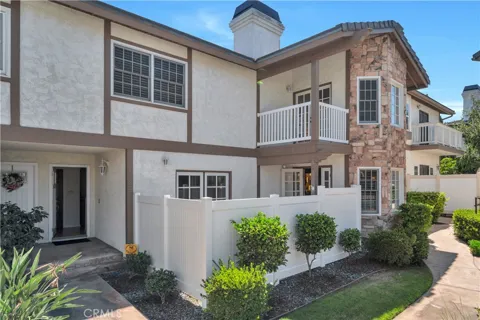
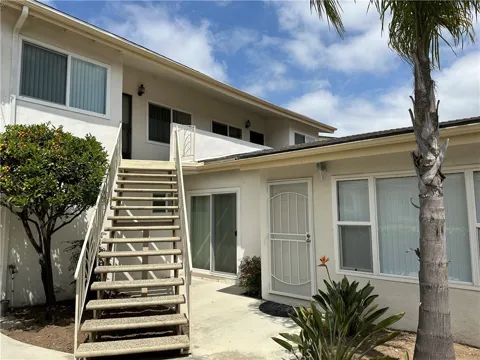
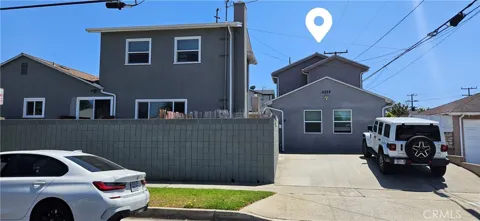
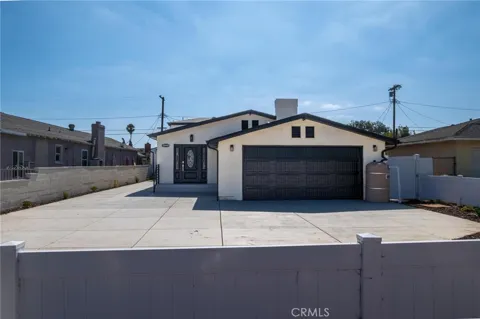
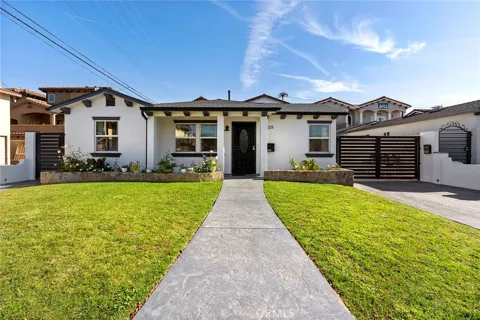
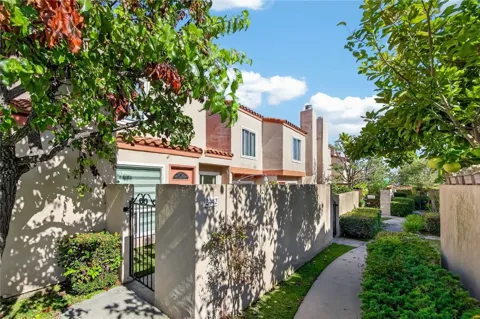
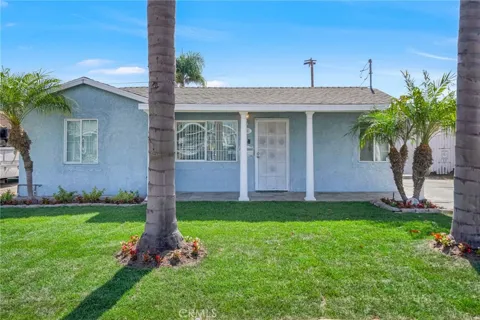
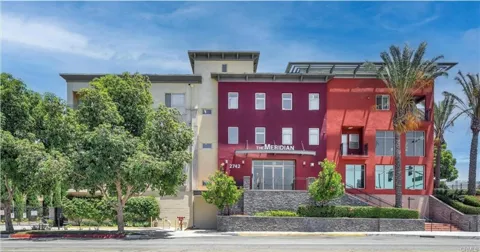
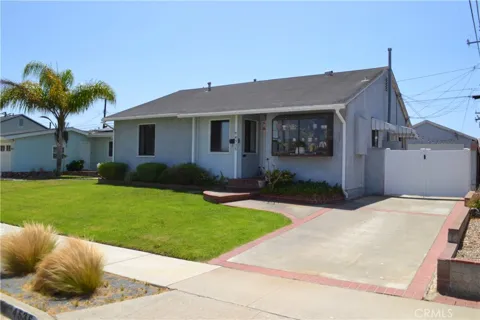
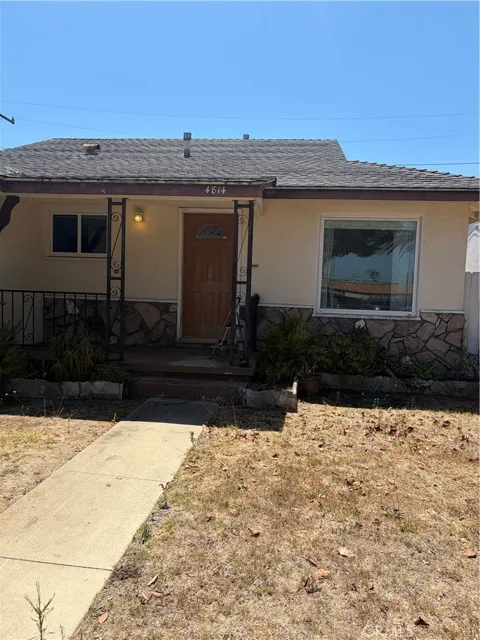
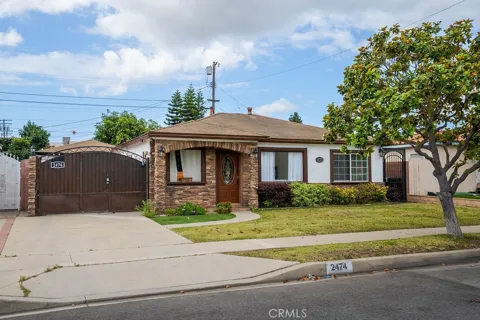
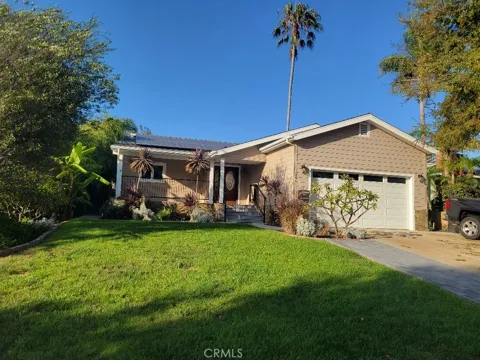
Torrance's housing stock reflects its growth patterns over the past century. Old Torrance, near the historic downtown core, retains early-twentieth-century homes with vintage architectural detail, while the larger Central Torrance area is dominated by post-World War II ranch-style and midcentury homes. Many neighborhoods also feature traditional Spanish-style houses with red-tiled roofs. West and South Torrance offer a mix of established single-family homes and some townhouse and condominium development, particularly near major retail and employment corridors. The city's mature, well-established housing stock and its proximity to the coast give it a distinctly suburban character compared with more densely developed parts of Los Angeles.
Torrance is organized into several distinct districts. Old Torrance, centered on the historic downtown, is the city's original core, with vintage architecture and an established street grid. Central Torrance, one of the largest residential areas, consists largely of postwar ranch and midcentury subdivisions built during the city's mid-century boom, along with some Spanish-style homes. West Torrance and South Torrance are established single-family areas, with South Torrance sitting closer to the Palos Verdes Peninsula and the coastline. The area surrounding the Del Amo Fashion Center blends retail, dining, and newer residential development along major corridors.
Torrance's lifestyle is anchored by the Del Amo Fashion Center, among the largest shopping malls in the United States and a major retail and dining destination for the South Bay. The city also hosts the Torrance Antique Street Faire, a monthly open-air market with more than 200 vendors held on the fourth Sunday of each month in the downtown area. Dining in Torrance reflects the region's diversity, with a notable concentration of Japanese and Asian-American restaurants alongside longstanding local favorites. The city's many parks, its beach, and a strong tradition of organized youth sports, including its role as the birthplace of the American Youth Soccer Organization, contribute to an active, community-oriented atmosphere.
Public education in Torrance is provided by the Torrance Unified School District, a K-12 district that enrolls roughly 22,000 students across 32 schools. The district operates a network of elementary, middle, and high schools serving the city's neighborhoods, and it is a central draw for families considering a move to Torrance. The district's history in the city dates to the late 1940s, when Torrance's schools unified into a single system, and it remains closely tied to the community today. Alongside the public district, the area offers private and parochial school options. Its schools, together with the city's parks and recreation programs, make education and youth activities a focal point of community life.
Torrance is well connected to the broader Los Angeles basin by two major freeways. The Harbor Freeway (Interstate 110) runs along the city's eastern edge, providing a route to downtown Los Angeles in about 30 to 45 minutes, while the San Diego Freeway (Interstate 405) crosses the northern part of the city, linking to Los Angeles International Airport in about 15 to 20 minutes and to Long Beach and Orange County to the south and east. The city operates its own municipal transit system, Torrance Transit, with routes serving local destinations and the Del Amo Fashion Center. A planned extension of Los Angeles Metro's K Line would add rail service into Torrance, further connecting the city to the regional transit network.
Torrance offers more than 30 parks and one and a half miles of beachfront along Santa Monica Bay, giving residents direct access to coastal recreation without leaving the city. Torrance Beach is a popular spot for swimming, surfing, and volleyball, and the city's park system includes playgrounds, sports fields, and community facilities. Torrance holds a special place in American youth sports as the birthplace of the American Youth Soccer Organization (AYSO), founded in the city. The combination of shoreline, parks, and organized recreation programs makes outdoor and athletic activities a defining part of life in Torrance.
MARKET SNAPSHOT
How homes have been selling here over the last 90 days.
Market data reflects closed sales over the last 90 days and is provided for informational purposes.
BROWSE BY ZIP
Browse listings by postal code in this area.