South Bay Los Angeles Hub
Welcome to Gardena, a South Bay city in Los Angeles County with deep Japanese-American roots and a position at the crossroads of several major freeways.
Gardena is a city in the South Bay region of Los Angeles County, roughly 13 miles south of downtown Los Angeles and a few miles inland from the coast. With a population of about 61,000, it is a dense, established urban suburb that functions as a crossroads for the surrounding area, sitting between the Harbor (110), San Diego (405), and Gardena (91) freeways. That position has made Gardena a hub for logistics, manufacturing, and commerce, and it gives the city a more industrial, working-class texture than its beach-adjacent neighbors. Gardena's most distinctive story is cultural. Through much of the 20th century, the city was home to one of the largest concentrations of Japanese Americans in the country, and it remained the U.S. community with the highest percentage of Japanese-American residents until that distinction shifted in the 2010s. That heritage is visible in the city's historic Japanese American community institutions, businesses, and cultural organizations, even as Gardena has become increasingly diverse overall, with sizable Mexican-American and broader Latino communities shaping the city's contemporary identity. The city has also been recognized as an All-America City, reflecting its civic engagement. The city's fabric mixes older bungalow neighborhoods with mid-century tract homes and a substantial apartment and multi-family stock along its commercial corridors. Gardena operates its own municipal transit system, GTrans, which serves the city and connects to Hawthorne, Compton, Torrance, Carson, and other South Bay communities — an unusual amenity for a city of its size and a practical benefit in a region built around the automobile. Daily life in Gardena is urban and convenient. The city's dining scene is notable, spanning the Japanese restaurants that reflect its heritage alongside a broad range of other cuisines, and its central location puts both the coast and downtown Los Angeles within easy reach. For residents, Gardena offers the density and accessibility of the Los Angeles basin with a distinct local identity rooted in more than a century of immigration and industry.
Gardena is in Los Angeles County, California, in the South Bay region. The city lies about 13 miles from downtown Los Angeles, between the Harbor (I-110) and San Diego (I-405) freeways.
Gardena was long home to one of the largest concentrations of Japanese Americans in the country, and it remained the U.S. city with the highest percentage of Japanese-American residents until the 2010s. That heritage remains visible in the city's institutions, businesses, and restaurants, alongside a broader, increasingly diverse population.
GTrans is Gardena's own municipal bus system, which provides local transit service within the city and connections to neighboring South Bay communities such as Hawthorne, Compton, Torrance, Carson, and Lawndale. It is an unusual amenity for a Los Angeles-area suburb.
Gardena's public schools are part of the Los Angeles Unified School District, which operates the city's elementary, middle, and high schools. Families in Gardena weigh options across district, charter, and private schools.
Gardena is a short drive from the South Bay beaches, including Redondo, Hermosa, and Manhattan Beach. Its inland location and freeway access place both the coast and downtown Los Angeles within easy reach.
City Guide
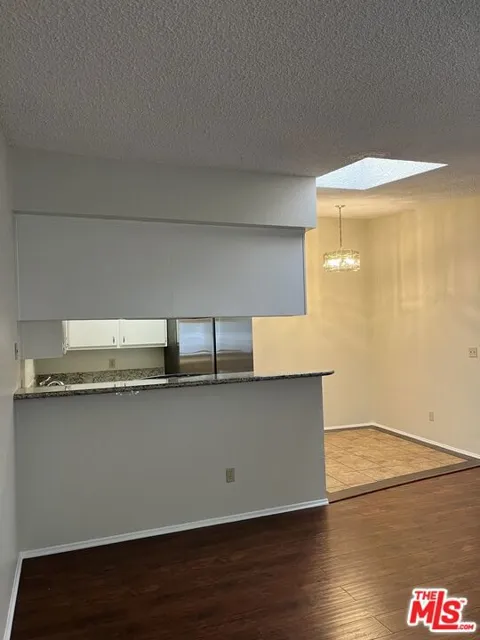
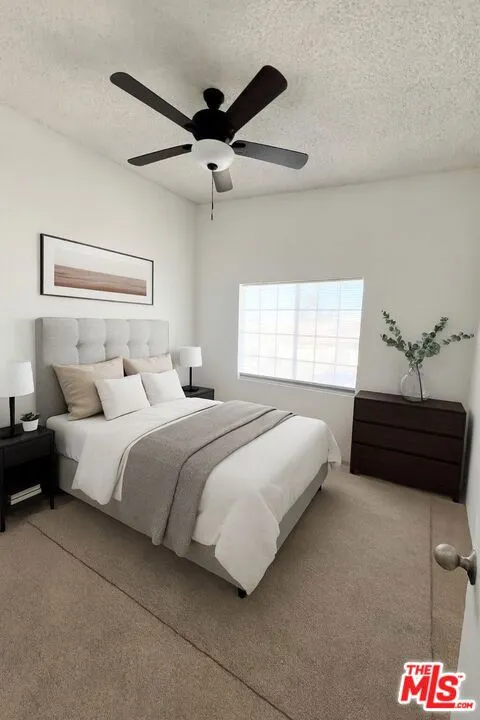
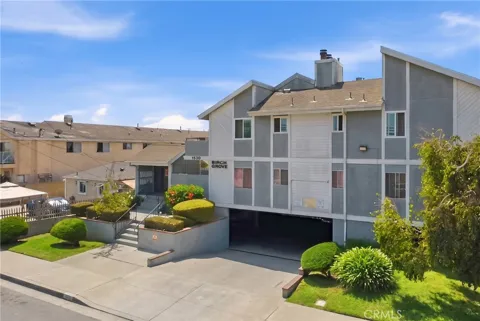
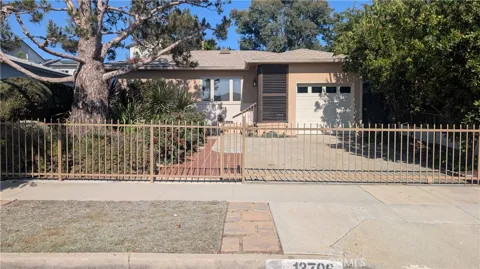
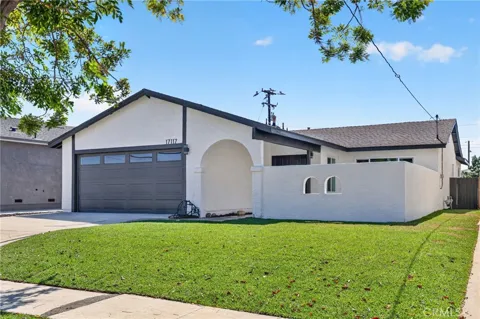
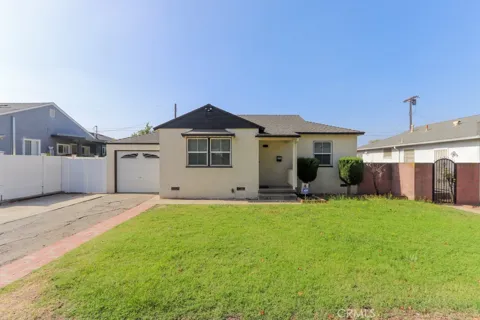
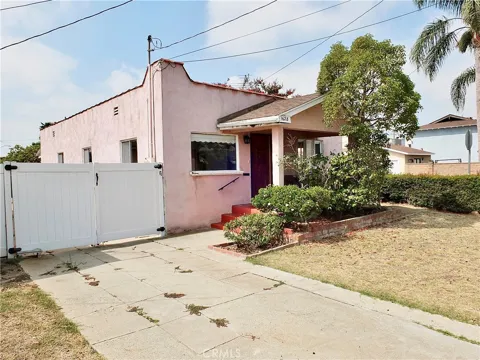
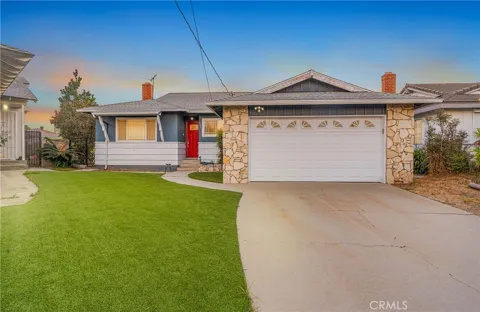
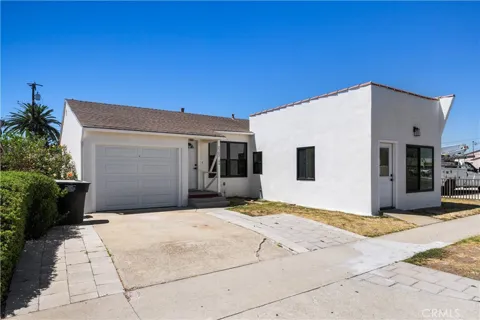
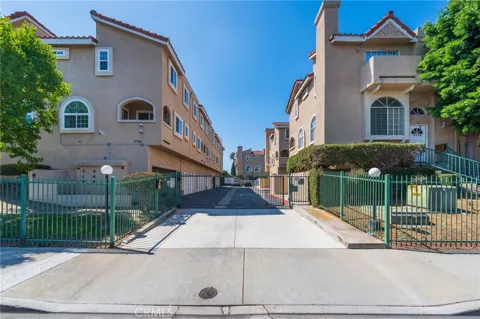
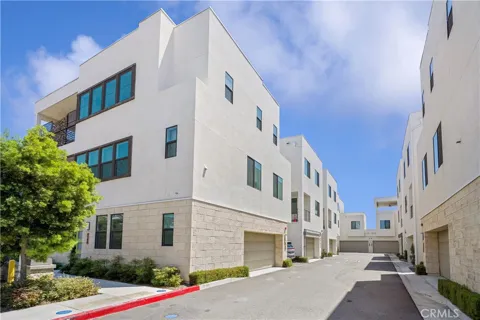
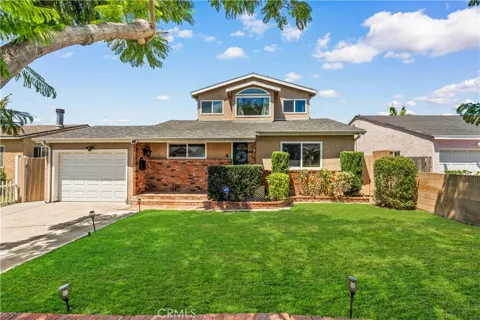
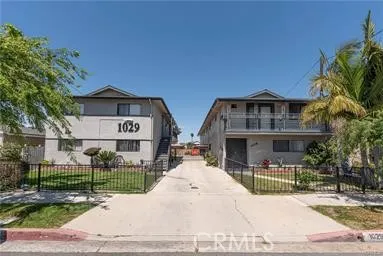
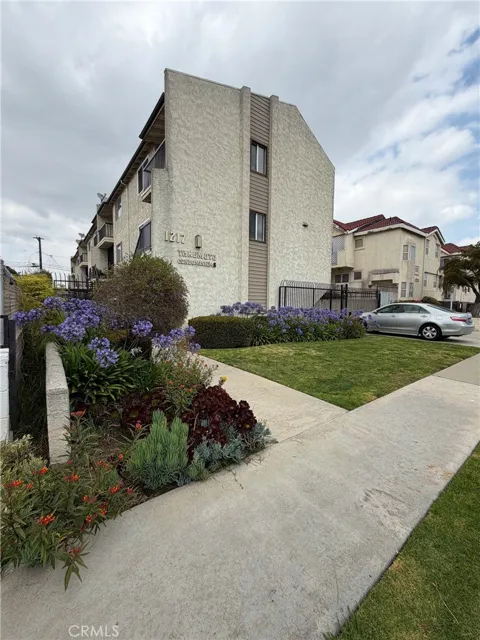
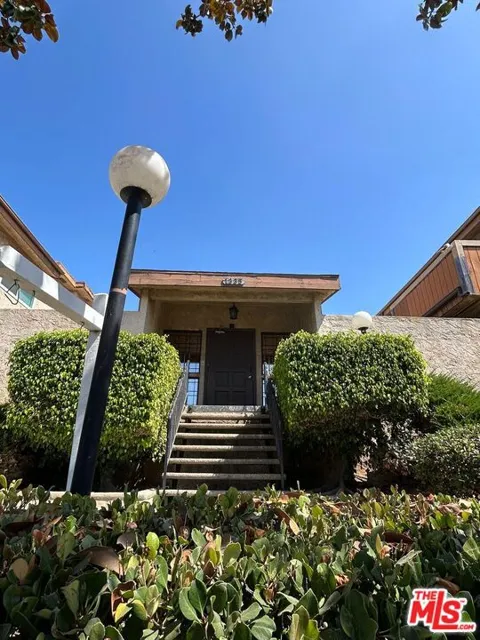
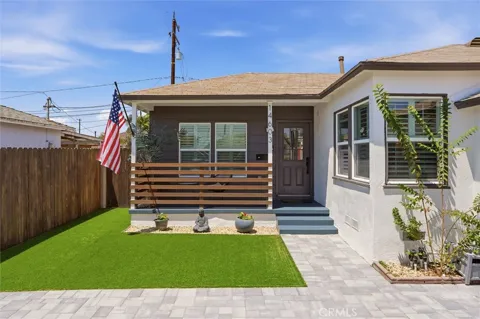
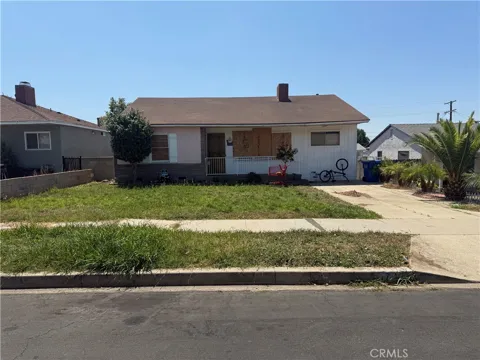
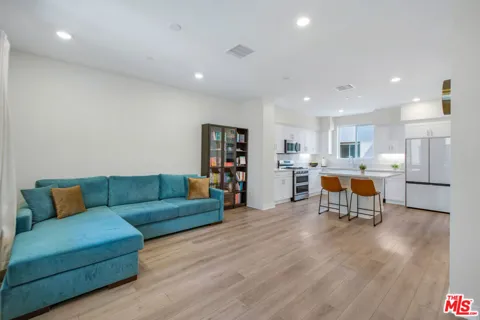
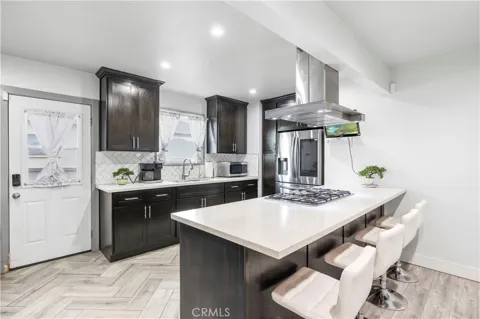
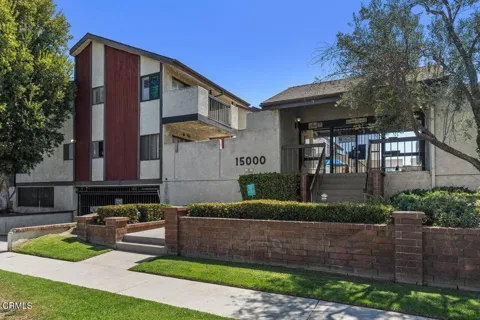
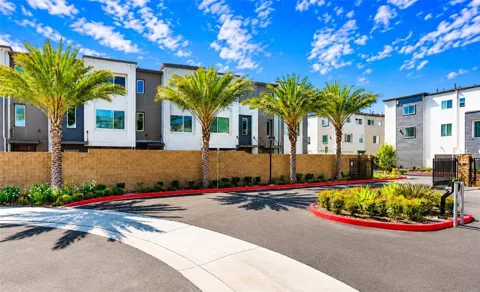
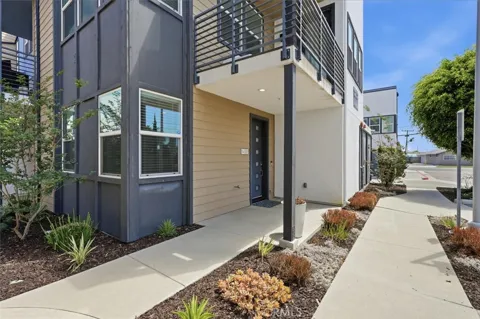
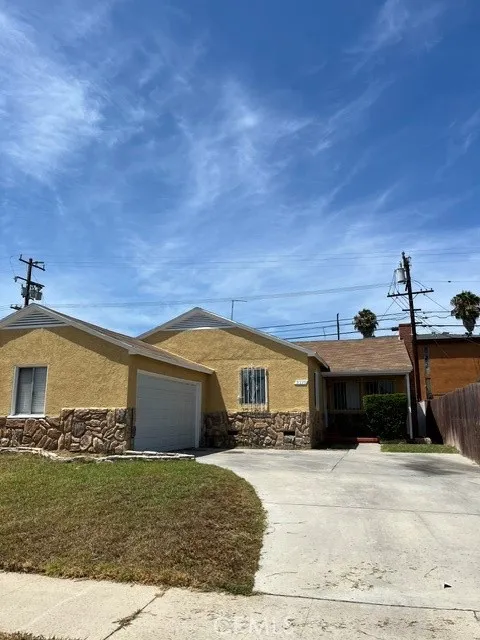
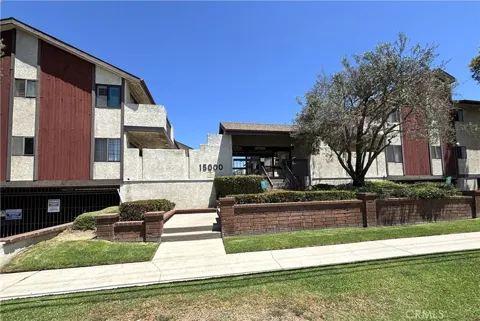
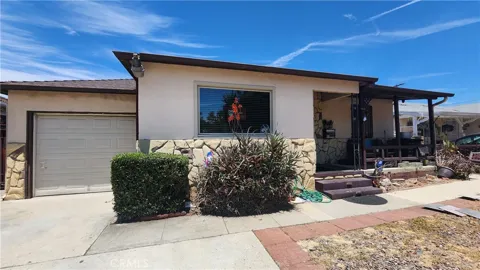
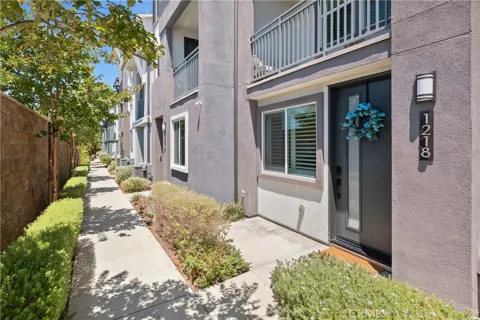
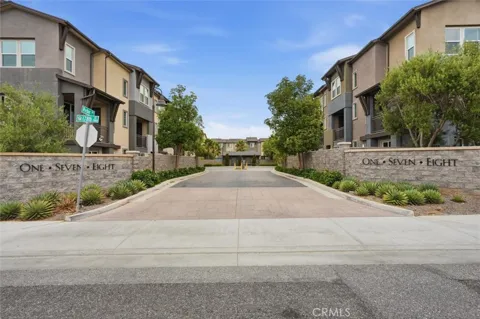
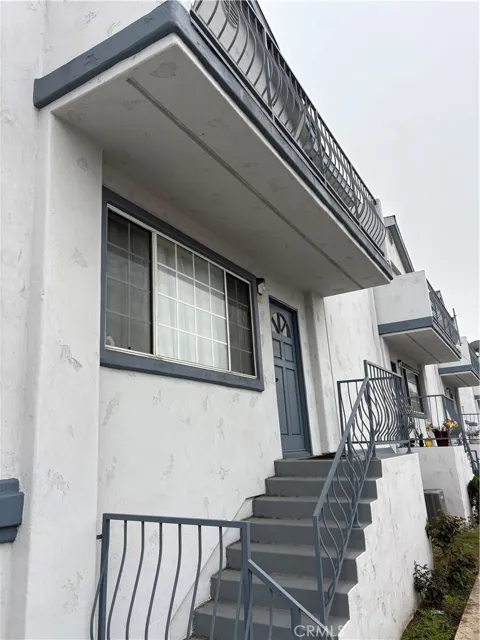
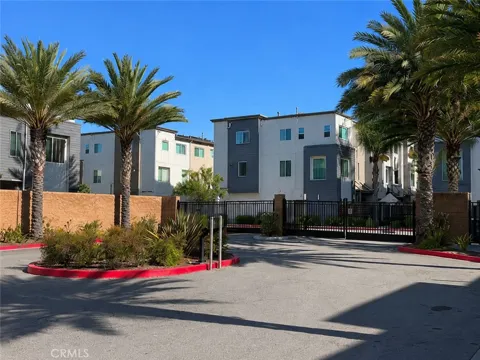
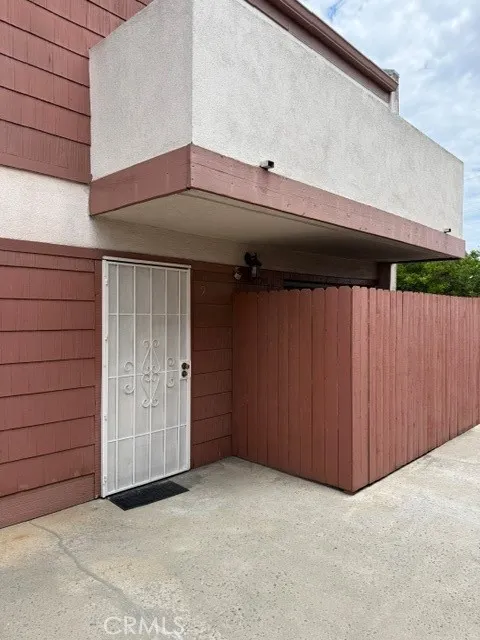
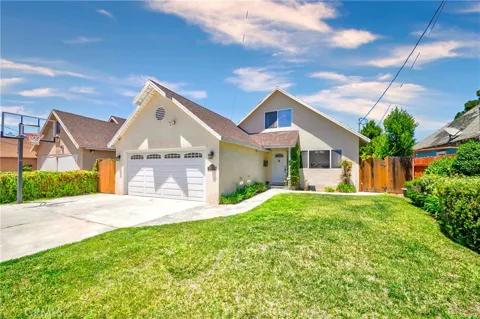
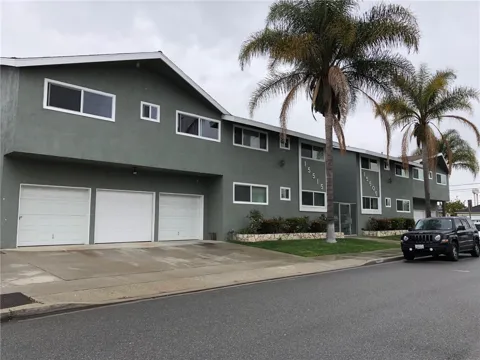
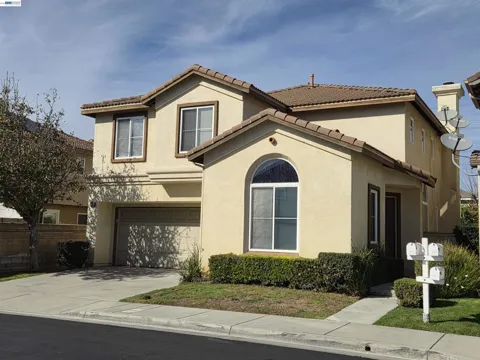
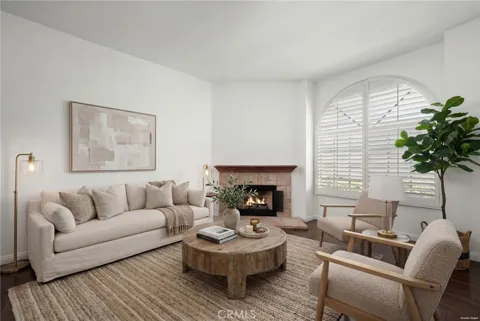
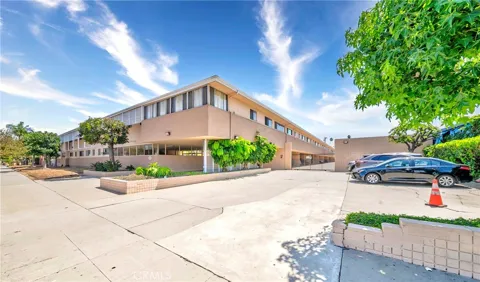
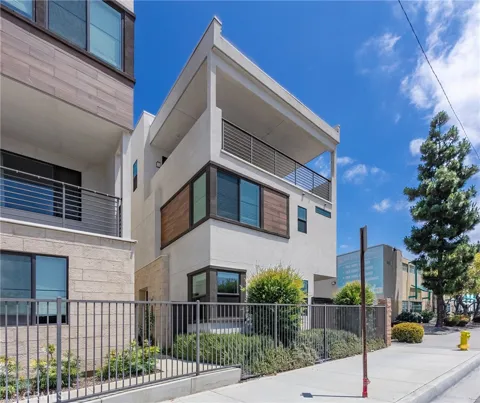
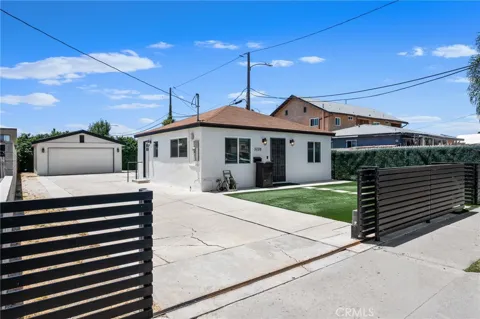
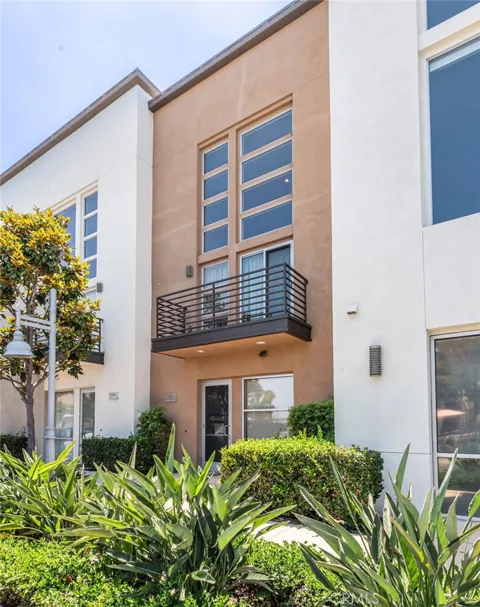
Gardena's housing stock is predominantly mid-century and older, reflecting its build-out as a working-class Los Angeles suburb. The city's residential streets hold a mix of compact bungalows from the early-to-mid 20th century, post-war tract homes, and a substantial supply of apartments, duplexes, and multi-family buildings concentrated along the major corridors. Lot sizes are generally modest, and the housing skews toward smaller single-family homes and rentals, giving Gardena a denser, more urban character than the coastal South Bay cities. Compared with nearby Torrance and the beach communities, the city has historically offered more attainable pricing, which has sustained demand from families, first-time buyers, and renters across its diverse population.
Gardena's neighborhoods are organized around its freeway boundaries and its commercial arterials. The residential areas north and south of the central business district hold older bungalow neighborhoods and mid-century tract homes, many with mature trees and a settled, established feel. The city's Japanese-American community historically centered in parts of the city where its institutions, businesses, and cultural organizations remain. Commercial corridors such as Western Avenue, Vermont Avenue, and Redondo Beach Boulevard carry the apartment buildings, markets, and storefronts that serve a dense population. The city reads as a continuous urban fabric rather than a set of sharply separated enclaves, with convenience and access as its defining residential qualities.
Gardena's lifestyle is urban, convenient, and diverse. The city's restaurant scene is a defining feature, with a notable concentration of Japanese eateries reflecting its heritage, alongside Mexican, Korean, and other cuisines that mirror the modern population. Everyday errands are served by dense commercial corridors and neighborhood markets, and the city's own GTrans bus system makes local travel practical without a car. The central location puts beaches, downtown Los Angeles, and the wider South Bay within short drives. Community life runs through parks, schools, cultural organizations, and the city's civic institutions. For residents, Gardena offers the connected, no-frills practicality of the Los Angeles basin with a strong, multicultural local identity.
Gardena's public schools are part of the Los Angeles Unified School District, the nation's second-largest district, which operates the city's elementary, middle, and high schools. The city's older school campuses reflect its mid-century build-out, and the schools serve a diverse student population drawn from the surrounding neighborhoods. As in much of Los Angeles, families weigh school options across district, charter, and private schools, with the city's central location giving access to programs across the South Bay. The schools remain important community anchors, hosting events and activities that tie neighborhoods together. For relocating families, Gardena's LAUSD placement is a key factor in considering the area.
Gardena's defining geographic asset is its freeway access. The city lies between the Harbor Freeway (I-110) and the San Diego Freeway (I-405), with the Gardena Freeway (SR 91) crossing nearby, placing it within reach of downtown Los Angeles, the ports, LAX, and the South Bay. Unusually for a Los Angeles suburb, Gardena operates its own municipal bus system, GTrans, which provides local service and connections to Hawthorne, Compton, Torrance, Carson, Lawndale, and other communities. This makes the city one of the few in the region with its own transit network. The combination of multiple freeways and a dedicated local bus system gives Gardena a transportation depth that underpins its role as a commercial and residential hub.
Gardena's recreation centers on its network of neighborhood parks, sports facilities, and community programs. The city's parks offer athletic fields, playgrounds, and community spaces that anchor local youth sports and civic life, and its recreation department runs programs for residents across ages. The nearby South Bay beaches — Redondo, Hermosa, and Manhattan Beach — lie within a short drive, as do larger regional parks and the trails of the Palos Verdes Peninsula. Gardena's own density means everyday recreation happens close to home, in city parks and school facilities, while the coast and the wider Los Angeles recreation network remain readily accessible by car.
MARKET SNAPSHOT
How homes have been selling here over the last 90 days.
Market data reflects closed sales over the last 90 days and is provided for informational purposes.
BROWSE BY ZIP
Browse listings by postal code in this area.