Gold Rush Foothill Gateway to Yosemite
Welcome to Sonora, the Tuolumne County seat and a Gold Rush-era foothill town in the Sierra Nevada, where a brick-and-Victorian downtown anchors the gateway to Yosemite.
Sonora is a city in Tuolumne County, California, serving as the county seat in the Sierra Nevada foothills of the state's Gold Country. Founded during the California Gold Rush, Sonora was among the largest and most important of the gold rush towns, with reports of nearly 15,000 miners in the area by 1849. Today it is a small city of roughly 4,800 residents, but its downtown remains one of the best-preserved examples of Gold Rush-era architecture in the region, with Washington Street passing historic brick storefronts, the Sonora Opera Hall, and the nineteenth-century Tuolumne County Courthouse. Sonora's economy has shifted from mining to a mix of county government, healthcare, tourism, and retirement. As the county seat, it hosts Tuolumne County's administrative offices and courts, anchoring employment for the wider region. Tourism plays a central role: Sonora sits on the main approach to Yosemite National Park, about an hour to the east, and it is surrounded by Gold Country attractions including Columbia State Historic Park and the Railtown 1897 State Historic Park in nearby Jamestown, with its collection of steam and diesel locomotives. The city is set among the oak-studded foothills of the Sierra Nevada, with warm summers and mild winters, and it functions as the commercial and cultural center for Tuolumne County's smaller mountain communities. Historic residences — bungalows, cottages, and occasional Victorian homes — line the neighborhoods radiating from downtown, while the surrounding hills hold larger, more rural parcels. Sonora appeals to people drawn to Gold Rush history, small-town living, and outdoor access. It offers the conveniences of a county seat within minutes of Sierra trails, lakes, and one of the country's most famous national parks, making it a base for retirees, remote workers, and families seeking a slower foothill pace.
Sonora is located in Tuolumne County, California, in the Sierra Nevada foothills of the historic Gold Country, and the city serves as the county seat for the surrounding mountain region.
Sonora sits about an hour west of Yosemite National Park and serves as a gateway community on the main approach to the park through the Sierra Nevada foothills of eastern California.
Sonora is known for its Gold Rush history and one of the best-preserved historic downtowns in California's Gold Country, anchored by Washington Street, the Sonora Opera Hall, and the nineteenth-century Tuolumne County Courthouse.
Sonora students attend local elementary school districts and the Sonora Union High School District, which serves students in grades nine through twelve from its main campus in the city of Sonora.
City Guide
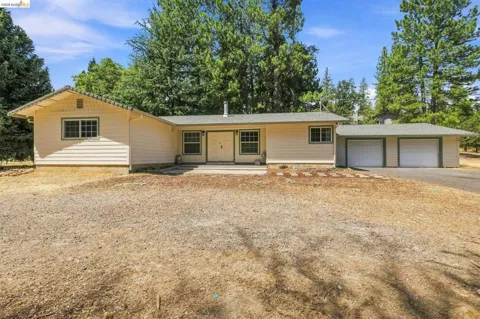
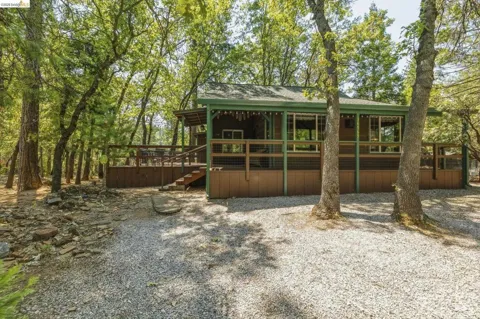
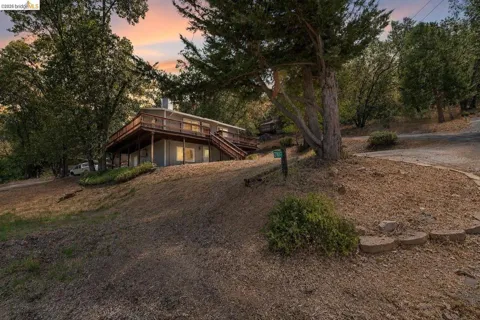
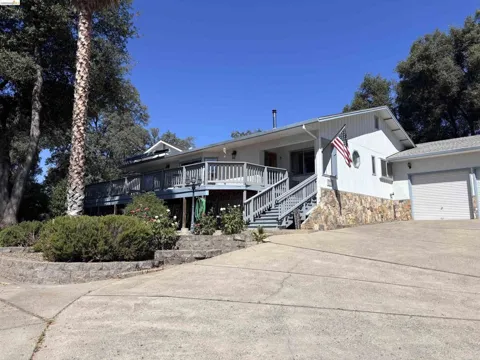
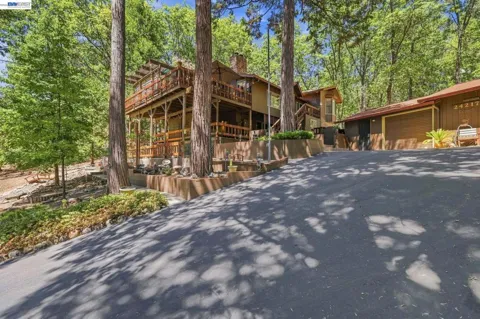
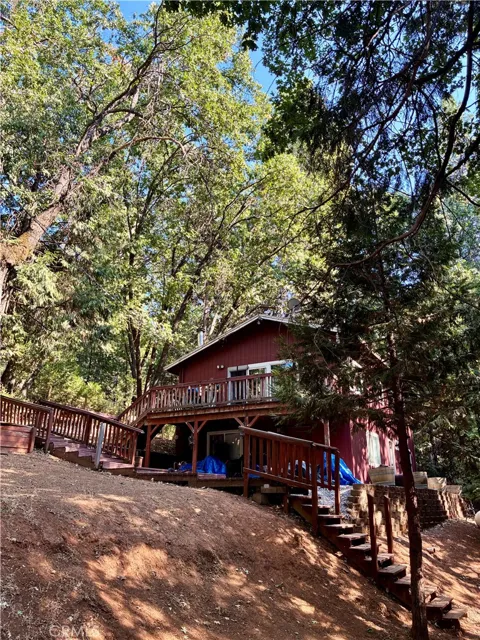
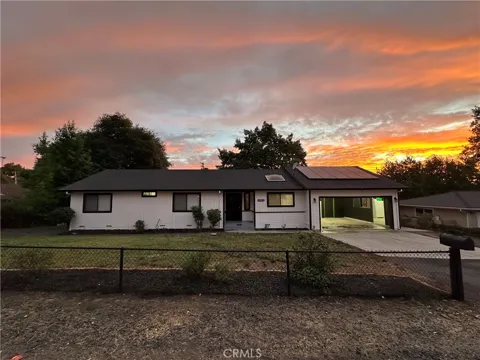
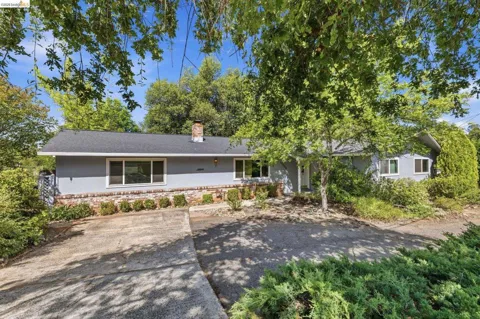
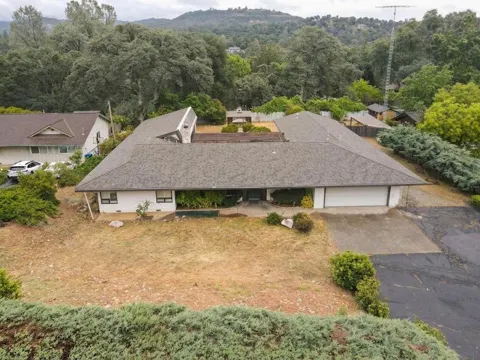
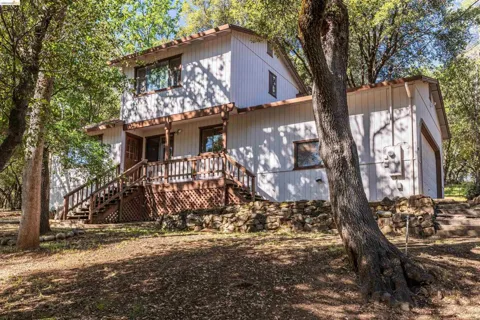
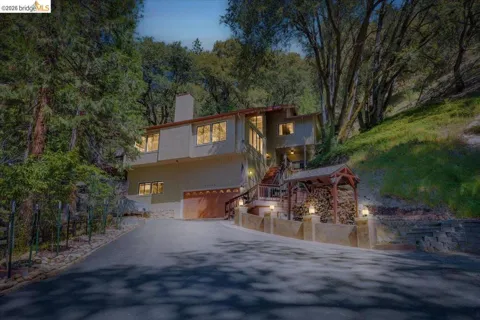
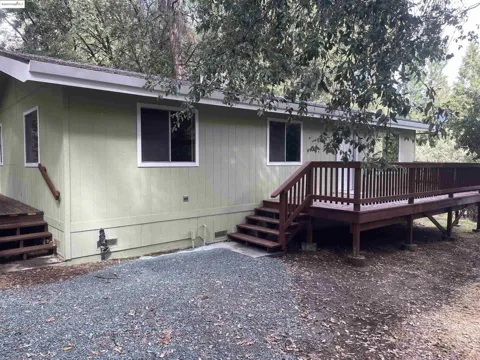
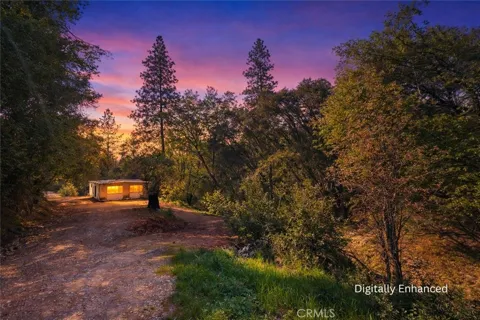
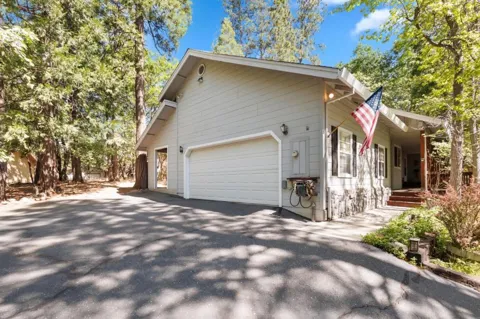
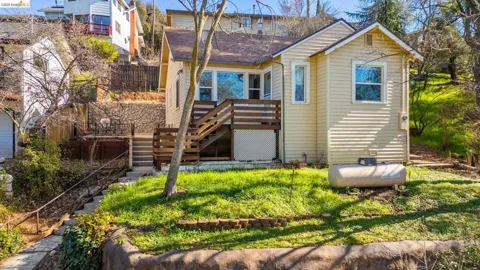
Sonora's housing stock is rooted in its Gold Rush and early twentieth-century history. Neighborhoods radiating from downtown hold tree-lined streets of bungalows and cottages, with the occasional Victorian, while the hillsides offer larger parcels with oak woodland and foothill views. Older homes near downtown carry historic character and walkable access, while outlying areas trend toward more spread-out, rural lots. The market reflects a working small town and county seat more than a master-planned suburb, and housing tends toward established, individually built homes rather than large tracts of uniform development.
Sonora's living areas cluster around its historic core. The downtown and Washington Street district offer walkable blocks of shops, restaurants, and older homes, including the city's landmark Victorian and brick buildings. Beyond the commercial center, established residential streets of bungalows and cottages step up into the surrounding foothills, where lots grow larger and views open toward the Sierra. The result is a compact town with a clear historic heart and quieter, more spread-out fringes, rather than a set of named master-planned subdivisions.
Life in Sonora blends Gold Rush heritage with a modern foothill pace. Downtown Washington Street holds shops, restaurants, and the Sonora Opera Hall, still used for local performances, while the Tuolumne County Museum interprets the region's Native American, Gold Rush, and pioneer past. The surrounding Gold Country offers a steady circuit of historic towns, wineries, and seasonal events, and Sonora's position on the Yosemite approach makes it a natural base for visitors and residents alike. It suits people who want a real, lived-in small town rather than a resort, with county government, healthcare, and everyday services close at hand.
Public education in Sonora is split between local elementary districts and the Sonora Union High School District, which serves students in grades nine through twelve. Sonora High School, the district's main campus, is located in the city and is the largest school in the system, serving roughly 1,000 students. The district operates with a college- and career-readiness focus. Families should note that elementary education is delivered through separate districts serving the foothill area, so students may attend different systems as they advance through the grades.
Sonora is reached primarily by State Route 49, the historic Gold Country highway that runs north-south through the foothills, and State Route 108, which connects the city west toward the Central Valley and east over Sonora Pass toward the eastern Sierra. Its position makes it a natural stopping point on the route to Yosemite National Park. There is no rail or commercial air service in the immediate area, so a private vehicle is essential, and mountain roads can slow winter travel at higher elevations.
Sonora sits amid some of California's most concentrated Gold Country recreation. Yosemite National Park lies about an hour to the east, reached through the Sierra foothills, while Columbia State Historic Park preserves a Gold Rush town just to the north. Nearby Jamestown is home to Railtown 1897 State Historic Park, with its working steam and diesel locomotives. The surrounding Sierra foothills offer hiking, fishing, and boating, and the region's scenic highways provide year-round access to the high country. Within town, the historic downtown itself is a destination for walking, shopping, and local performances at the Opera Hall.
MARKET SNAPSHOT
How homes have been selling here over the last 90 days.
Market data reflects closed sales over the last 90 days and is provided for informational purposes.
BROWSE BY ZIP
Browse listings by postal code in this area.