Butte County Foothill Town Rebuilding
Welcome to Paradise, the Butte County town set in the Sierra Nevada foothills above the Sacramento Valley, a resilient community rebuilding after the 2018 Camp Fire with a mild, tree-shaded setting.
Paradise is an incorporated town in Butte County, California, set on a forested ridge in the Sierra Nevada foothills above the northeastern Sacramento Valley. For much of its history it was known as a peaceful retirement and residential community, prized for a mild climate, pine and oak woodlands, and a setting removed from the valley's summer heat. Its position in the foothills places it within a short drive of Chico, the region's principal city, while giving it a distinctly mountain-town feel. The defining event in Paradise's modern history is the Camp Fire of November 2018. The fire burned more than 150,000 acres over eighteen days, killed 85 people, and destroyed more than 18,000 structures — the great majority of the town's buildings — making it the deadliest and most destructive wildfire in California history. The population fell from more than 26,000 before the fire to a fraction of that number, as thousands of displaced residents resettled in Chico and elsewhere. Recovery has defined the town since. Paradise has pursued an ambitious rebuilding effort, and new construction has risen steadily on cleared lots, much of it built to stricter, fire-resilient standards. The community has worked to restore services, schools, and civic life while adapting to a landscape changed by fire. Prescribed burns and vegetation management are now part of the town's ongoing relationship with its surroundings. Today Paradise is a smaller, more deliberate community than before the fire, populated in large part by people who chose to return and rebuild. Its appeal rests on the same qualities that drew residents for generations — a mild foothill climate, natural beauty, and a close-knit civic identity — now paired with a hard-won awareness of wildfire risk. It suits those seeking an affordable, scenic Northern California foothill setting, particularly households connected to Chico's economy or drawn to the rebuilding community's resilience.
Paradise is located in Butte County, California, in the Sierra Nevada foothills above the northeastern Sacramento Valley. It sits on a forested ridge roughly 15 miles northeast of Chico, the county's largest city.
Paradise is known for its Sierra Nevada foothill setting and its mild climate, and it is widely recognized for the Camp Fire of November 2018, the deadliest and most destructive wildfire in California history. The fire destroyed most of the town's buildings, and the community has spent the years since rebuilding.
Paradise is served by Paradise Unified School District, which operates elementary, middle, and high schools including Paradise High School for the town and surrounding foothill communities. Butte College and California State University, Chico are within commuting distance for higher education.
Paradise is about 15 miles northeast of Chico via the Skyway, the main road into the foothills. Chico provides access to State Route 99, and Sacramento is about an hour and a half to the south, with Sacramento International Airport as the nearest major gateway.
City Guide
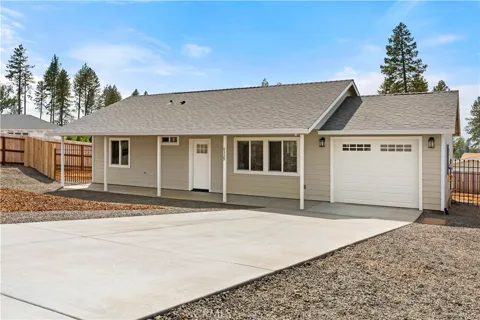
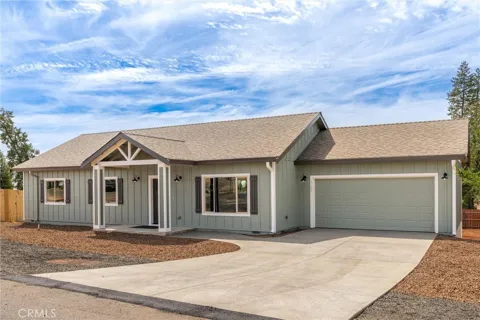
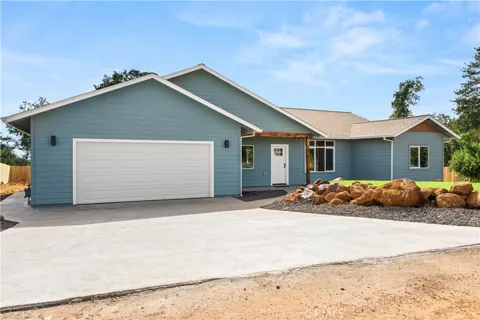
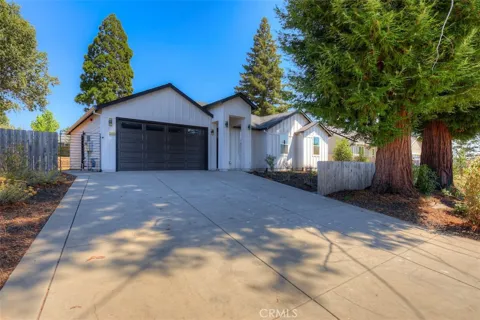
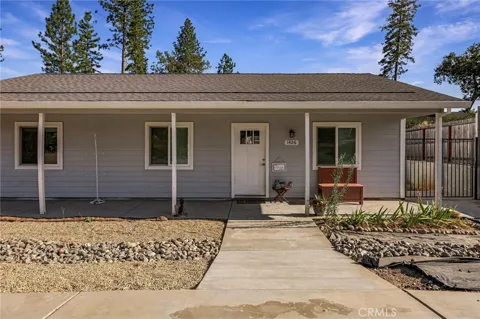
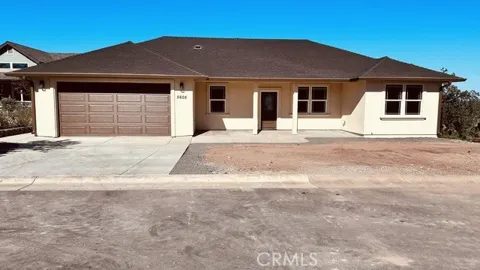
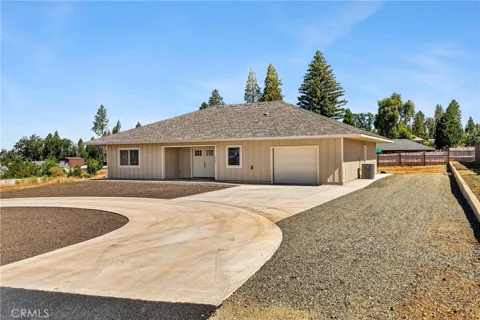
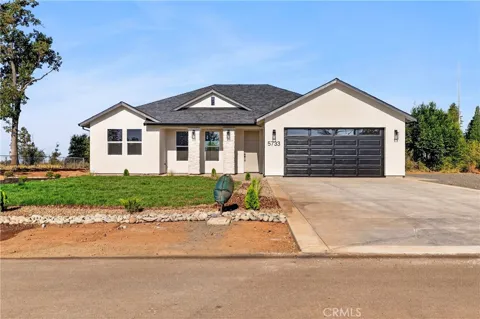
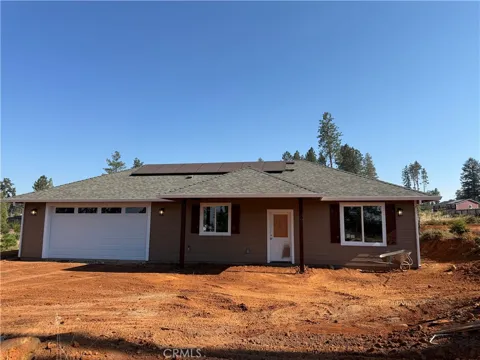
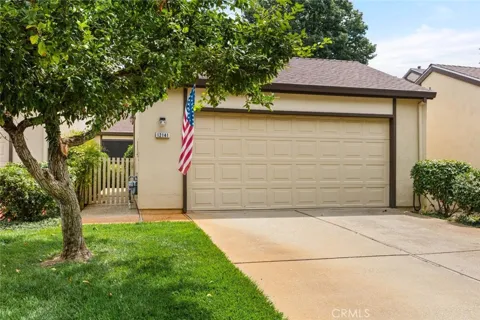
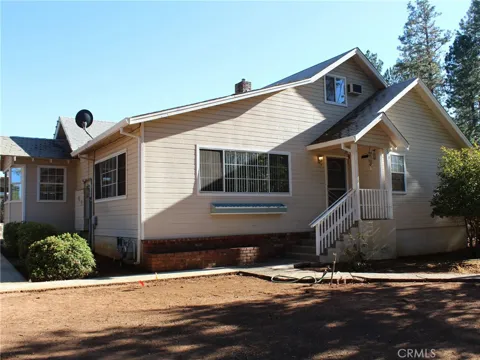
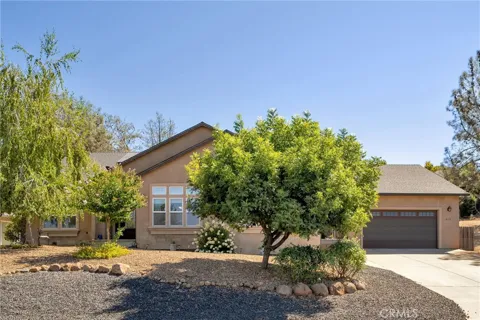
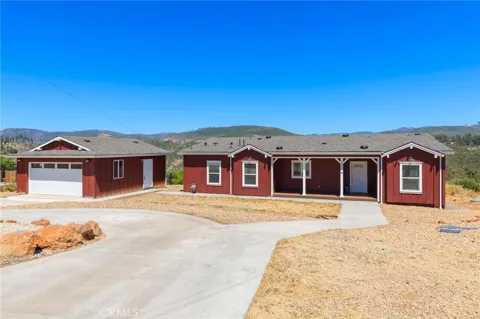
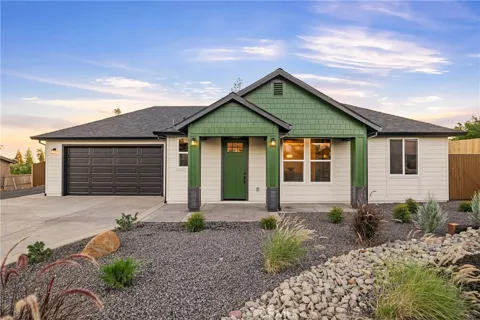
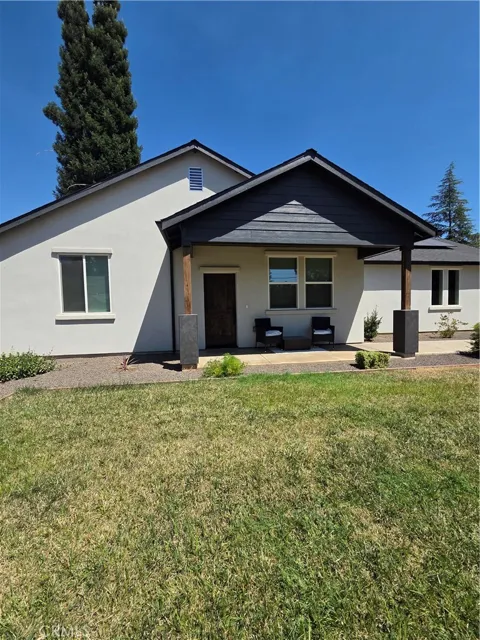
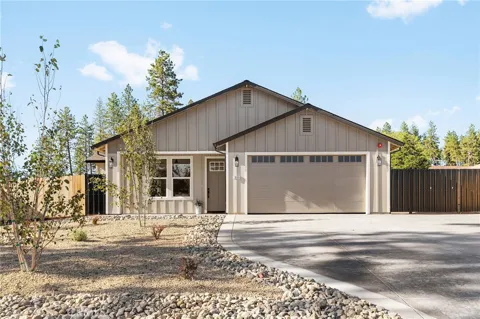
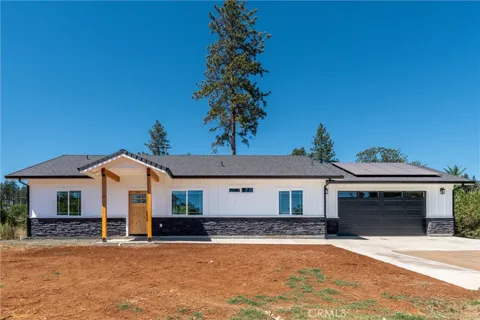
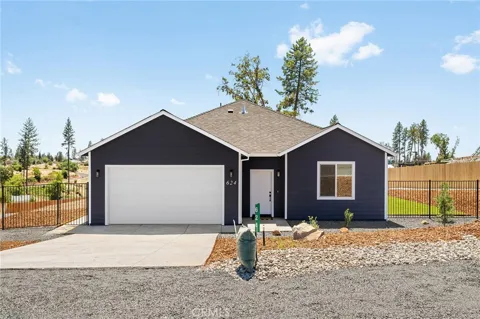
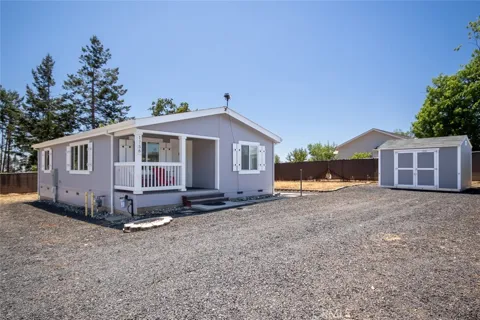
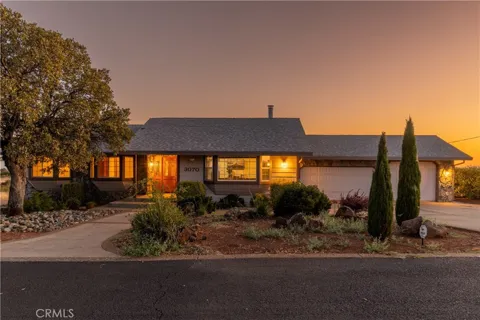
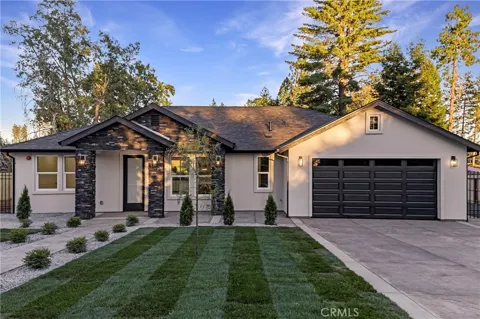
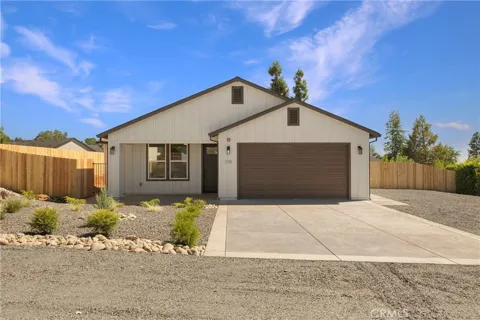
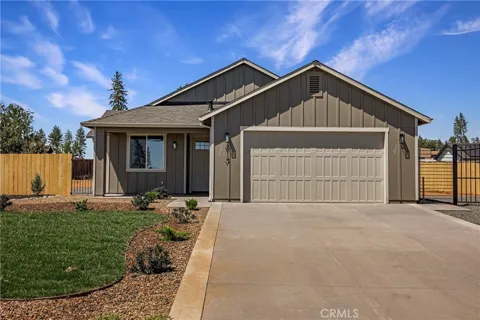
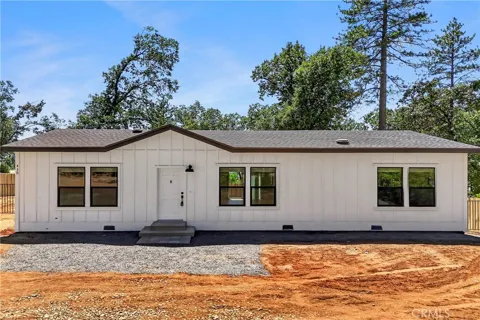
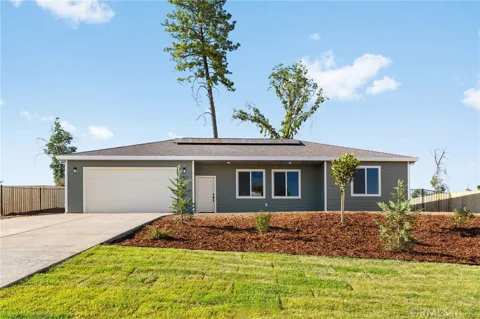
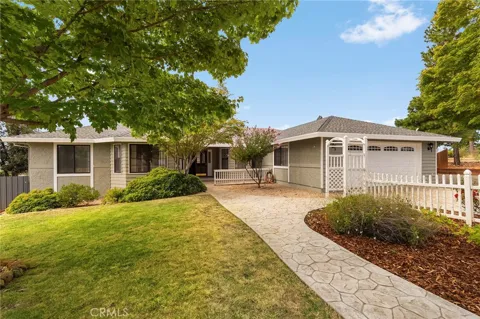
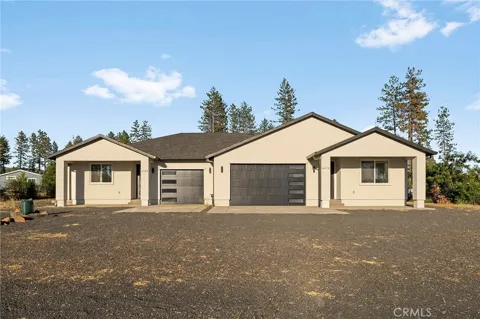
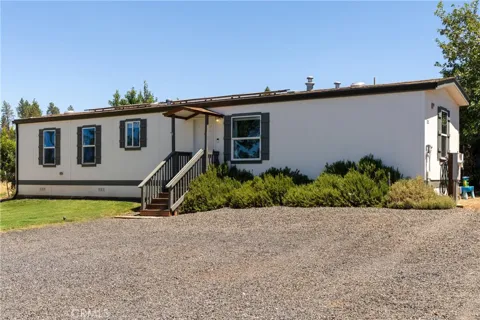
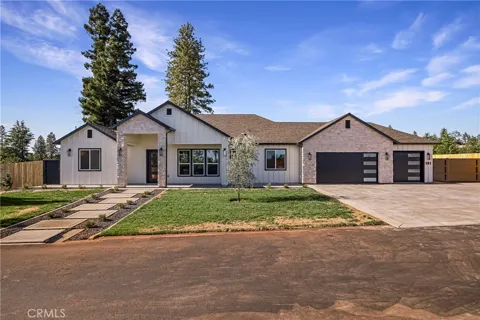
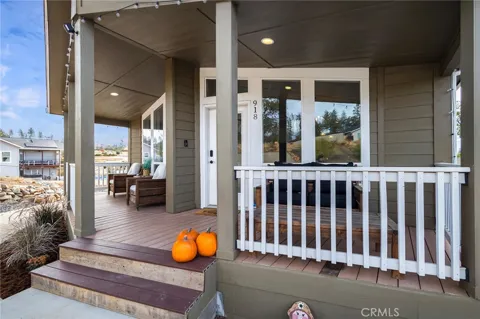
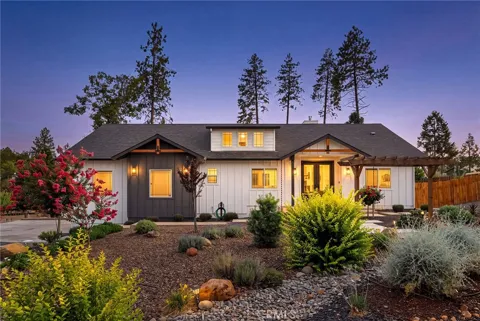
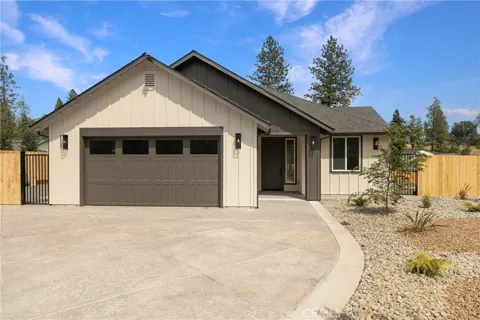
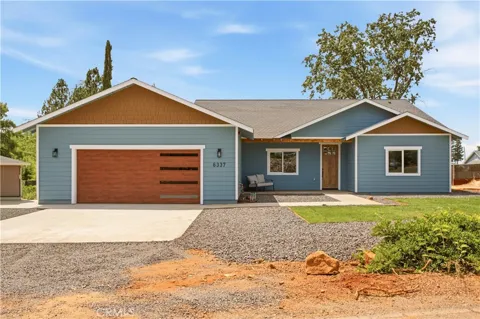
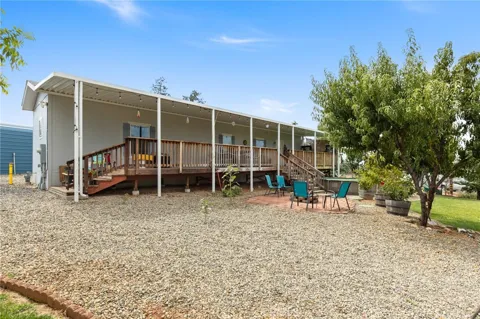
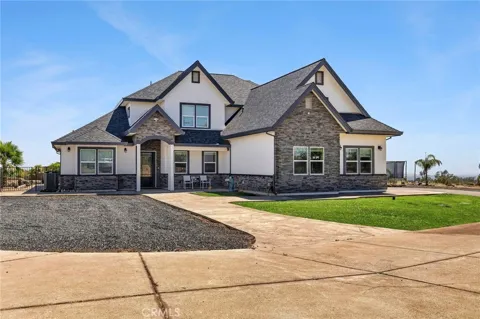
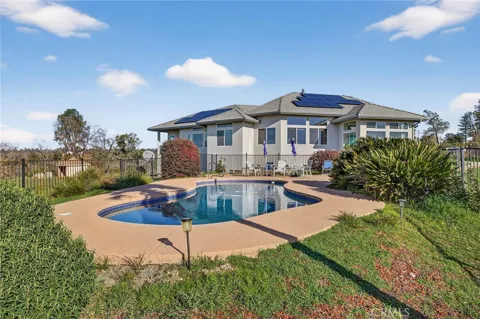
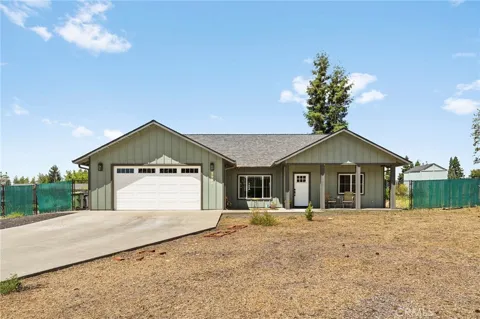
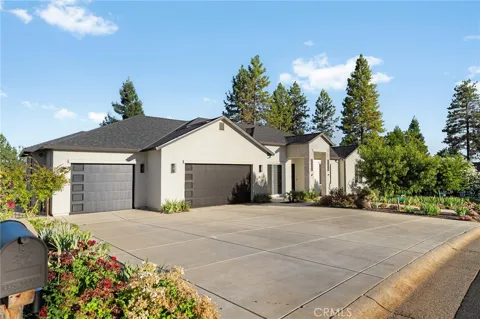
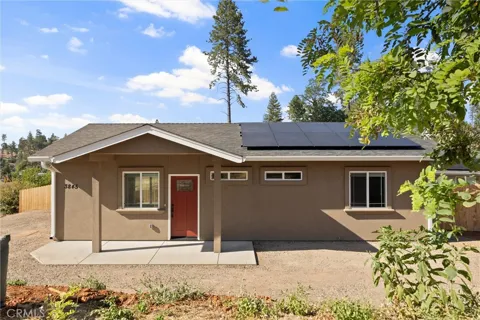
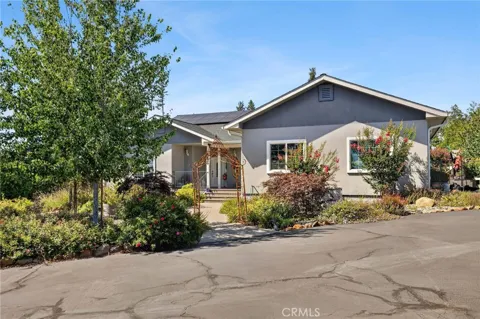
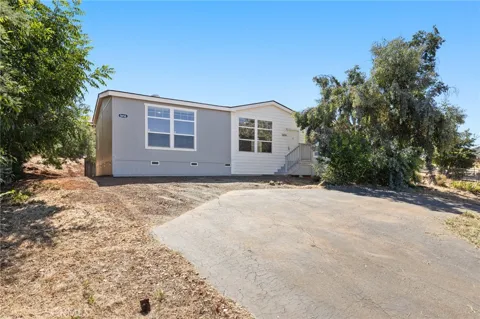
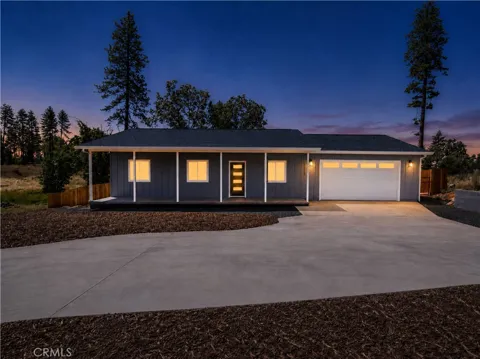
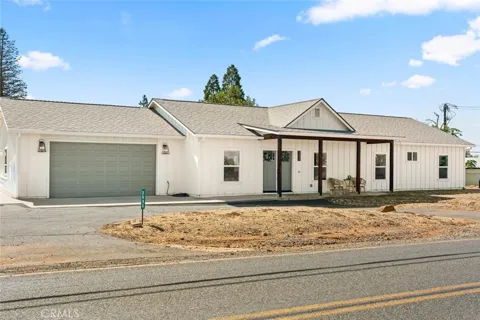
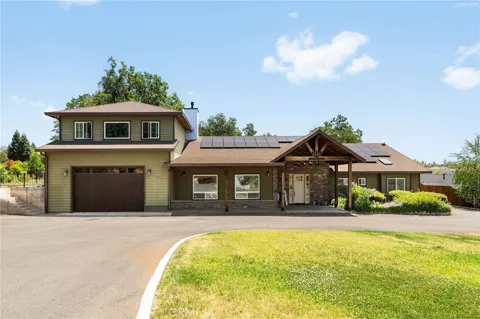
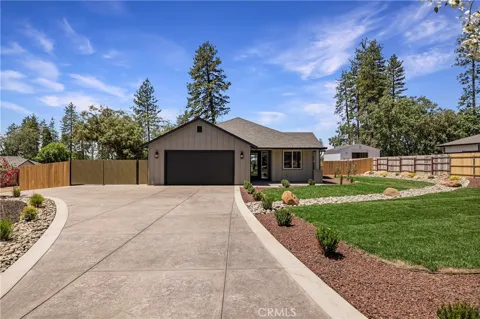
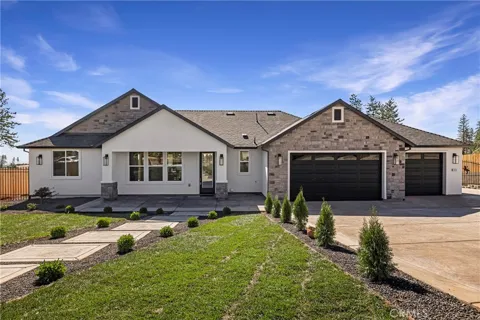
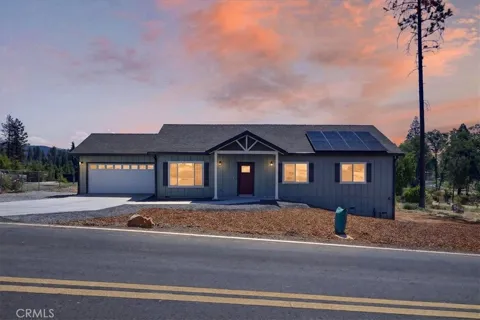
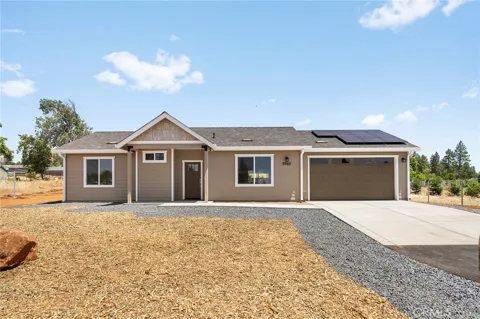
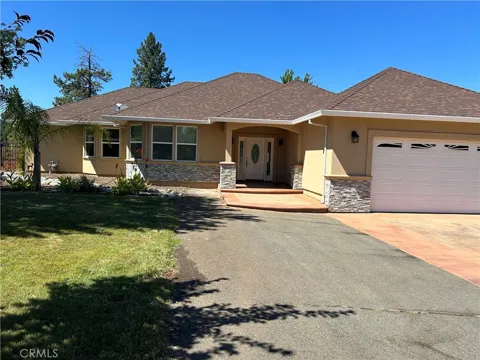
Paradise's housing stock has been substantially remade by the Camp Fire and its aftermath. The fire destroyed the large majority of the town's homes in 2018, and the rebuilding that followed has produced a stock of newer, fire-hardened construction on many lots, often built to the state's most stringent wildfire-zone building codes. Before the fire, Paradise was known for modest, affordable single-family homes on wooded lots, many of them older and set among pines. Today the mix includes newly built residences alongside a smaller number of surviving older homes and a growing inventory of newly developed properties. Lots tend to be generously sized and heavily treed, and the foothill setting offers views and privacy. The town's affordability relative to Chico and the rest of Butte County has historically been a draw, and the rebuilding market reflects a community where new construction is unusually prevalent.
Paradise's layout follows a forested ridge, with residential streets branching off the Skyway, the main road that descends toward Chico, and other principal routes. The town's neighborhoods historically blended older hillside homes with pine-shaded lots, and the rebuilding process has reshaped many streets with newer construction. Areas near the commercial corridors along the Skyway and Pearson Road hold the town's shops, schools, and civic buildings, while residential streets spread across the surrounding ridge and canyons. The community is adjacent to Magalia, a smaller foothill settlement to the north that shares Paradise's history and recovery. Chico, about a 15-minute drive down the Skyway, functions as the regional center for employment, shopping, higher education, and health care, so many Paradise residents rely on it for daily needs while returning to the quieter foothill setting above the valley.
Life in Paradise is shaped by its foothill setting and by the shared experience of rebuilding. The town offers a quiet, small-community pace, with local shops, churches, civic groups, and a strong volunteer culture that deepened during the recovery years. The mild climate — warm summers tempered by elevation and relatively mild winters — supports an outdoor-oriented lifestyle, with hiking, mountain biking, and fishing in the surrounding foothills and canyons. Chico, a short drive down the Skyway, provides the region's dining, shopping, university, and cultural life, so Paradise residents enjoy a small-town home base with urban amenities nearby. The community continues to host seasonal events and has worked to restore the rhythms of normal civic life, from farmers markets to school activities, in the years since the fire.
Public education in Paradise is provided by Paradise Unified School District, which serves the town and the surrounding foothill communities including nearby Magalia. The district operates elementary, middle, and high schools, including Paradise High School, and has rebuilt and restored its campuses in the wake of the Camp Fire, which damaged or destroyed several school facilities. Because the district covers a relatively small, geographically defined area, students generally progress through the same system from elementary through high school. For higher education, Butte College and California State University, Chico are both within commuting distance, with Chico State serving as the region's principal four-year institution. Relocating families should confirm current school assignments and any program options directly with the district, given the ongoing changes that followed the town's rebuilding.
Paradise is connected to the Sacramento Valley by the Skyway, the principal road that descends from the ridge to Chico, roughly 15 miles below. Chico provides access to State Route 99, the main north-south highway through the region, which links to Sacramento to the south and Redding to the north. This makes Paradise a practical foothill home base for commuters working in Chico or, with a longer drive, elsewhere in the Sacramento Valley. The town itself is car-dependent, with no fixed-route public transit of its own, though Butte County offers limited regional transit services. Chico Municipal Airport provides regional air service, while Sacramento International Airport, about an hour and a half south, is the nearest major gateway. The town's winding foothill roads are a defining feature, and winter weather can occasionally affect travel on the ridge.
Paradise's recreation draws on the Sierra Nevada foothills and the broader Butte County landscape. The surrounding area offers hiking, mountain biking, and wildlife viewing in pine and oak woodlands, with trails through the foothills and along nearby creeks. Fishing and boating are available at Lake Oroville, a major reservoir and state recreation area to the east, and along the Feather River, which carves the canyons below the ridge. The town's mild climate extends the outdoor season compared with the hotter valley floor. Chico adds cultural and recreational amenities, including Bidwell Park, one of the largest municipal parks in the country, with miles of trails and swimming holes along Big Chico Creek. For winter recreation, the higher Sierra Nevada and Lassen Volcanic National Park are within reach for day trips.
MARKET SNAPSHOT
How homes have been selling here over the last 90 days.
Market data reflects closed sales over the last 90 days and is provided for informational purposes.
BROWSE BY ZIP
Browse listings by postal code in this area.