Inland Empire City in Temecula Valley
Welcome to Murrieta, a family-oriented city in southwestern Riverside County's Temecula Valley, known for its master-planned neighborhoods and highly regarded schools.
Murrieta is a city in southwestern Riverside County, California, set within the Temecula Valley along the I-15 and I-215 freeway corridors. It traces its beginnings to the late 19th century, when it served as a stopover point on the railroad and later as the site of the Murrieta Hot Springs mineral resort. For most of the 20th century the community remained small—only about 2,200 people lived there as recently as 1980. The city incorporated on July 1, 1991, by which time it already counted more than 24,000 residents, and it subsequently became one of the largest and fastest-growing cities in Riverside County. That rapid growth transformed Murrieta into a prototypical Southern California planned suburb. Large master-planned communities—Alta Murrieta, Harveston, and others—were built around neighborhood schools, parks, lakes, and community amenities, attracting families drawn by comparatively newer housing and a location that offered a more suburban, less expensive alternative to Orange County and San Diego. Murrieta's identity rests on its family-oriented character and its schools. Murrieta Valley Unified School District serves the city with more than 20 campuses and has earned recognition as a California Exemplary School District. The city's parks system, anchored by features like Harveston Lake, and its position beside Temecula Valley wine country round out a lifestyle that balances suburban convenience with open space and recreation. For commuters, Murrieta sits within driving distance of major employment centers to the north and south, with I-15 and I-215 linking it to Temecula, Riverside, San Diego, and Orange County. The city remains a draw for households seeking strong schools, newer housing stock, and a family-friendly community in the heart of the Temecula Valley.
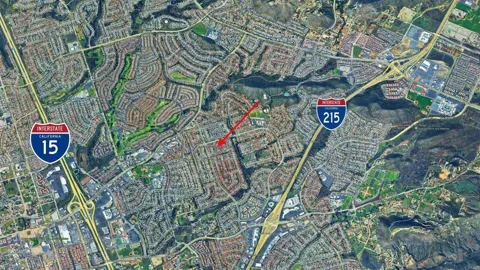
Murrieta is located in southwestern Riverside County, California, in the Temecula Valley. The city sits within the Inland Empire region, roughly midway between San Diego and the city of Riverside.
Murrieta is served by Murrieta Valley Unified School District, which operates more than 20 schools and serves around 22,000 students across the city. The district has been recognized as a California Exemplary School District.
Murrieta officially became a city on July 1, 1991, when it was already home to more than 24,000 residents. That figure grew from an estimated 2,200 people living in the area in 1980, reflecting the city's rapid late-20th-century expansion.
Murrieta adjoins Temecula on the I-15 corridor and sits roughly an hour north of San Diego, depending on traffic. The I-15 and I-215 freeways also connect the city to Riverside and other Inland Empire employment centers.
Murrieta is known for its master-planned neighborhoods, highly regarded schools, and its namesake Murrieta Hot Springs, a historic mineral springs resort area. The city is also a gateway to Temecula Valley wine country.
City Guide
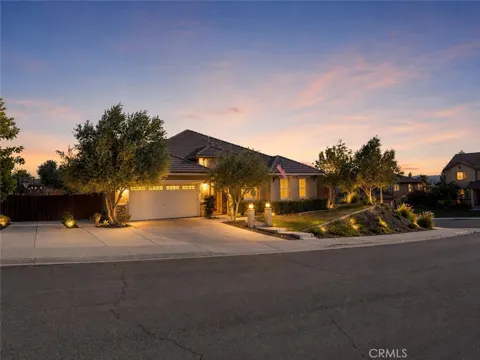
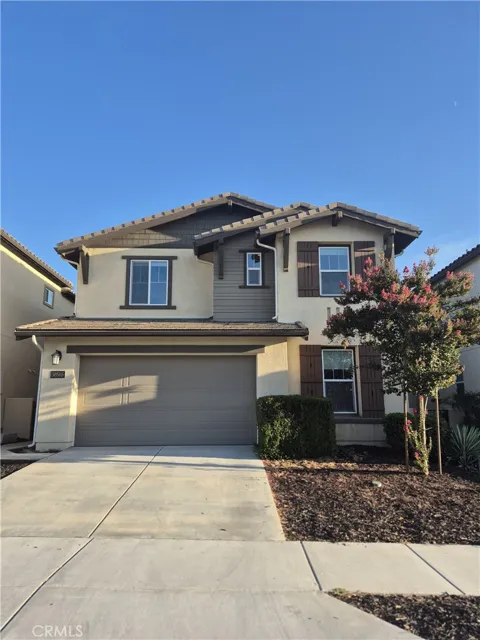
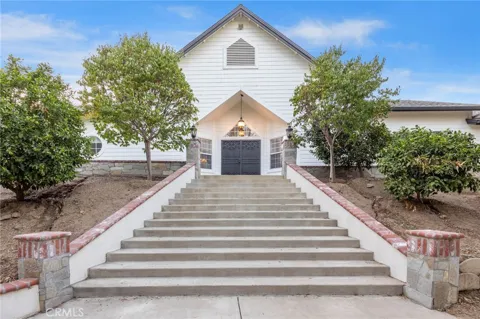
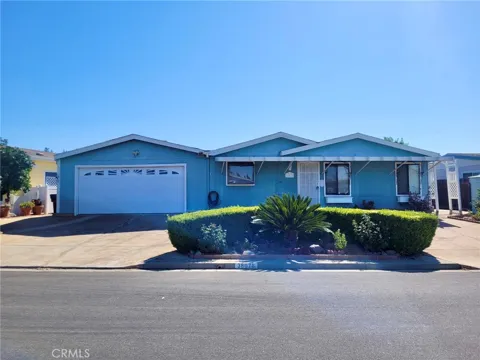
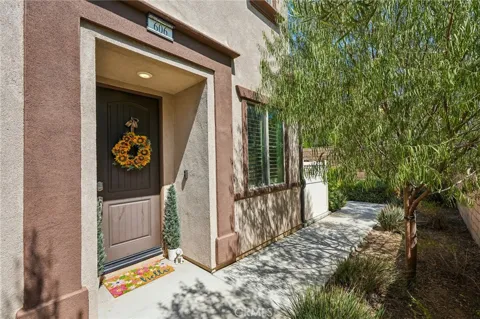
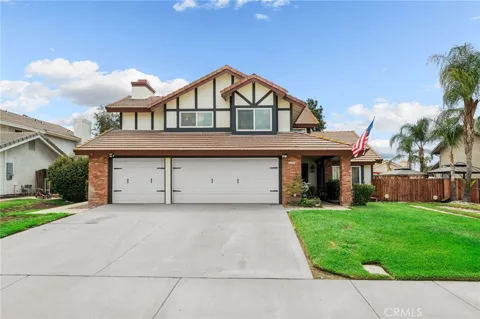
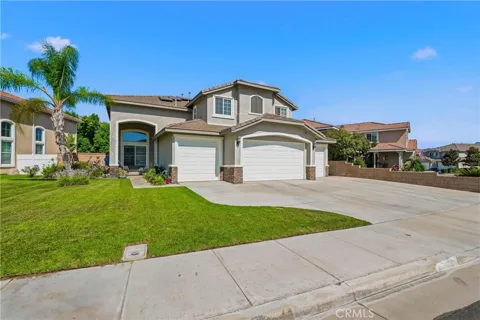
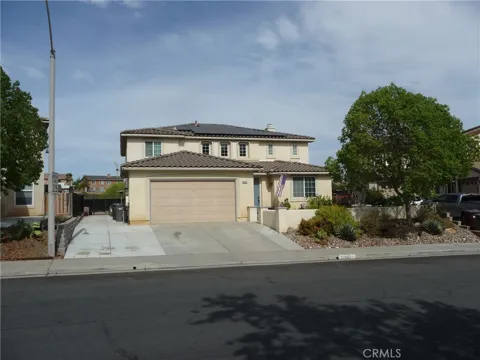
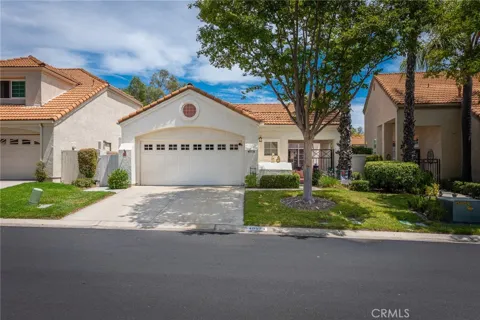
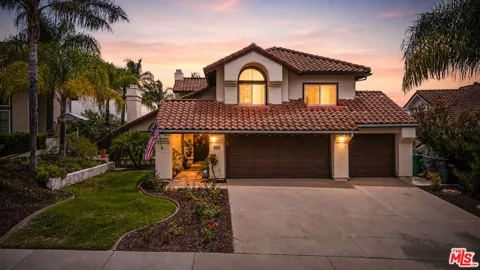
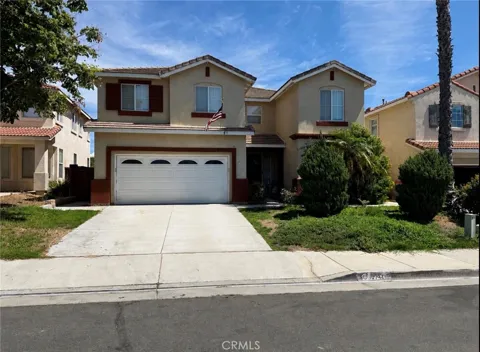
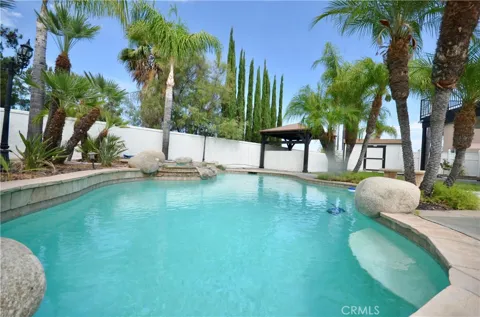
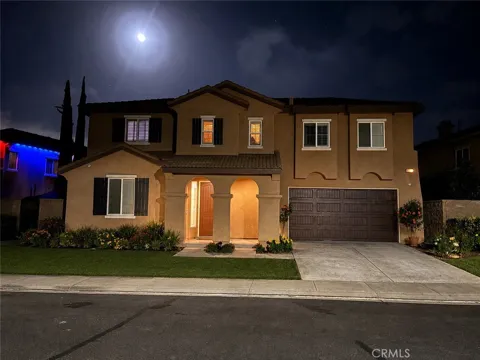
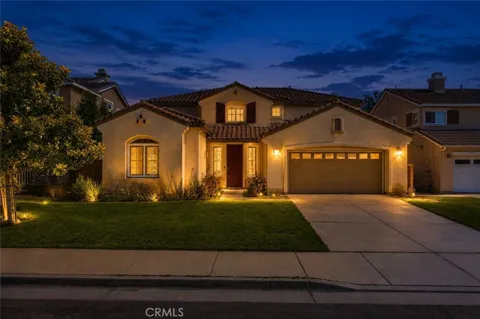
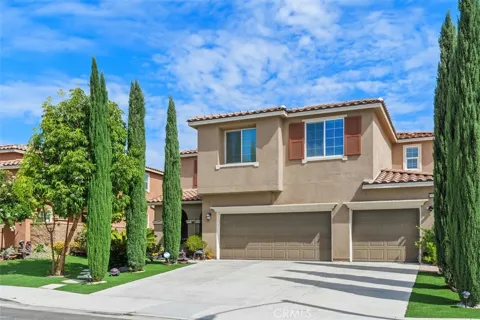
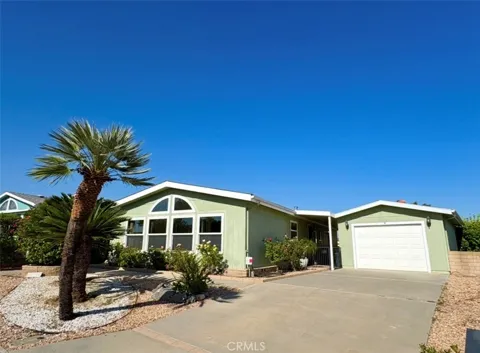
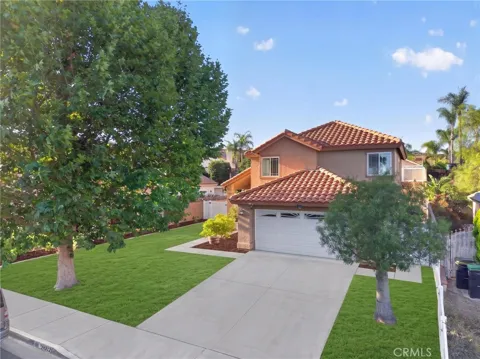
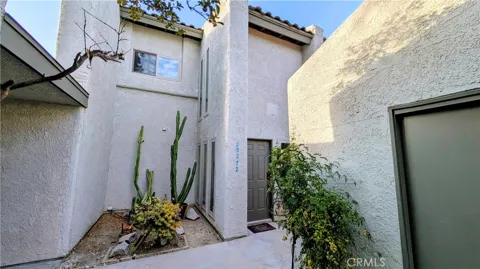
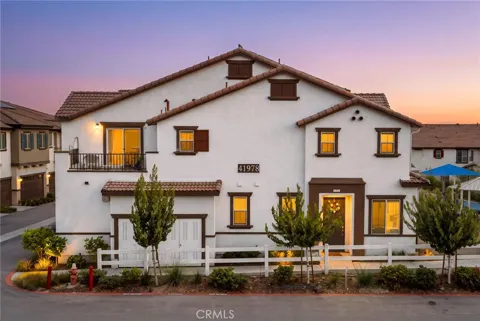
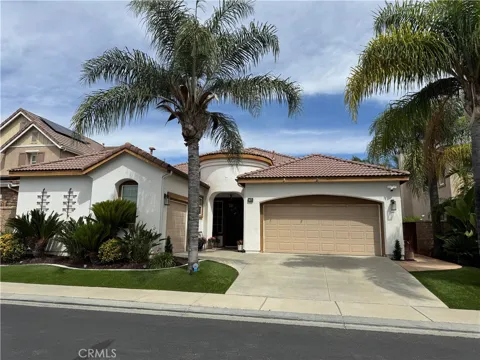
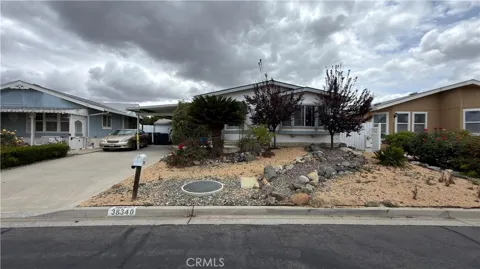
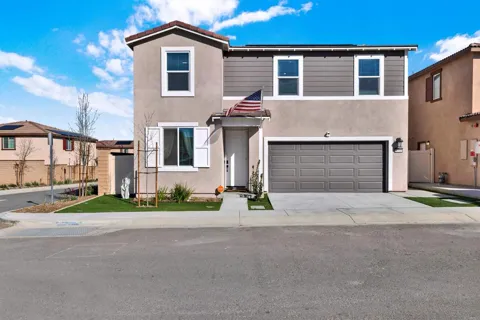
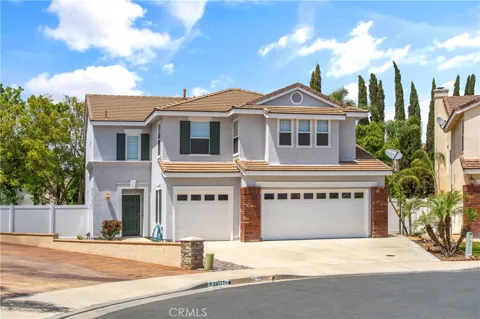
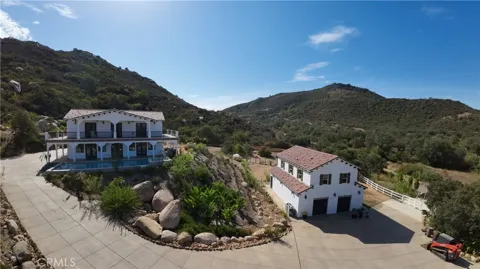
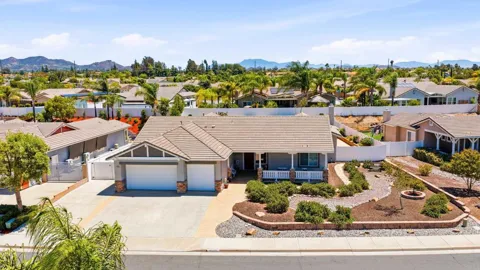
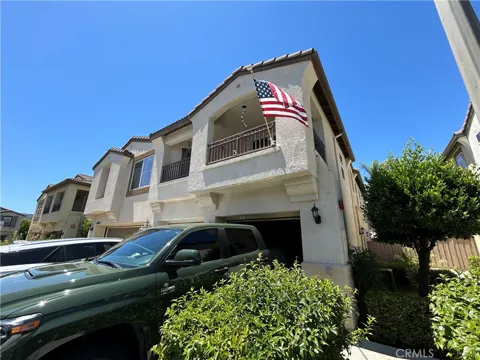
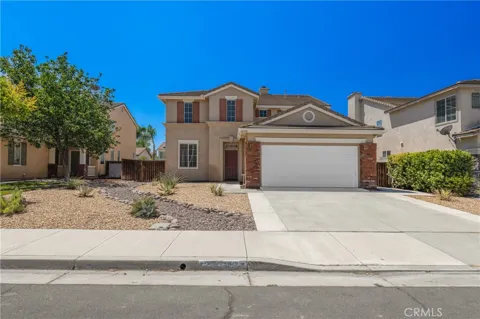
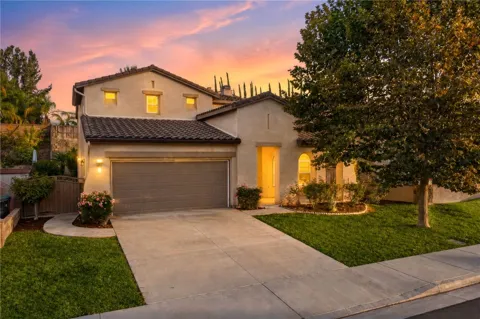
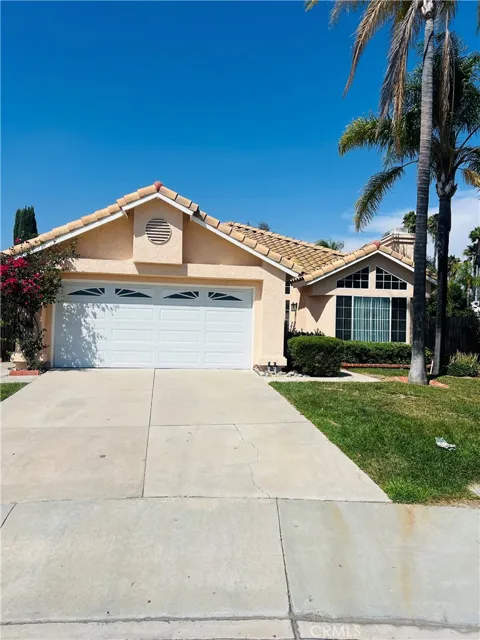
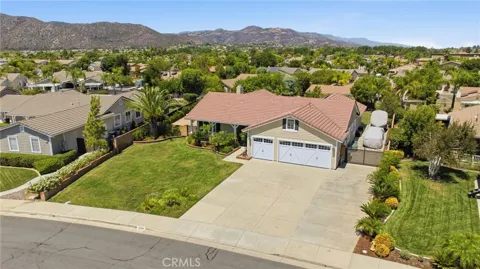
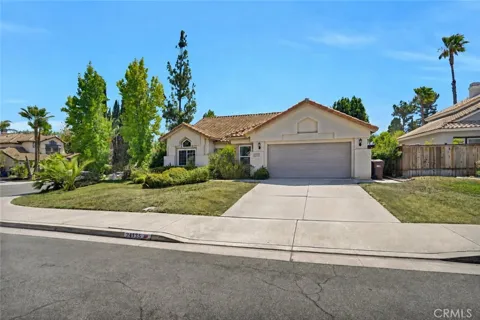
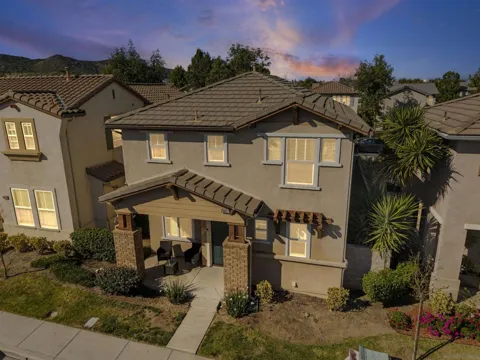
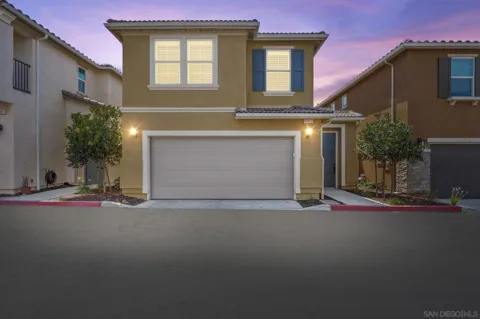
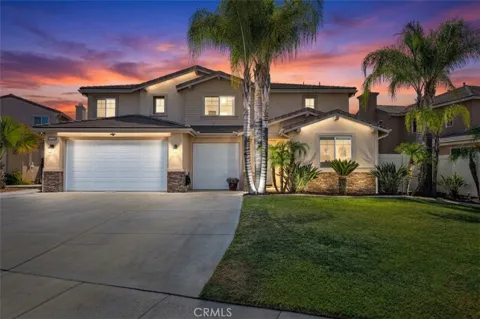
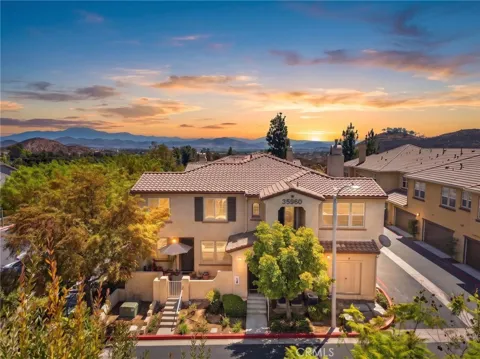
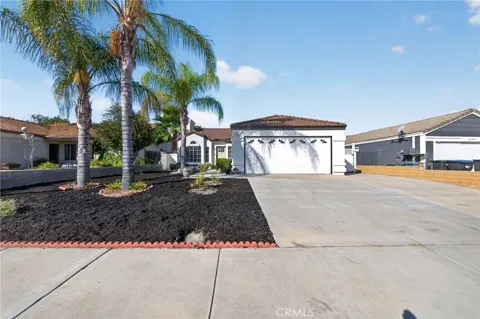
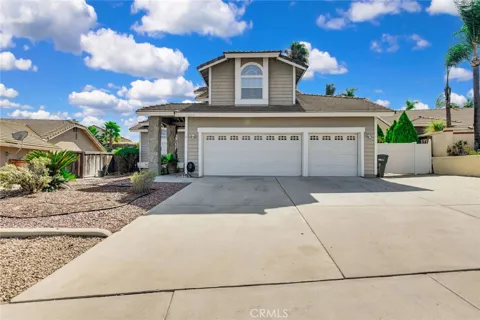
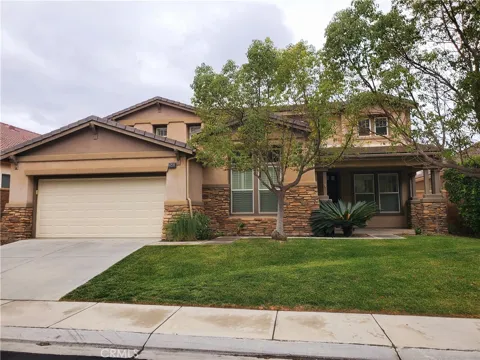
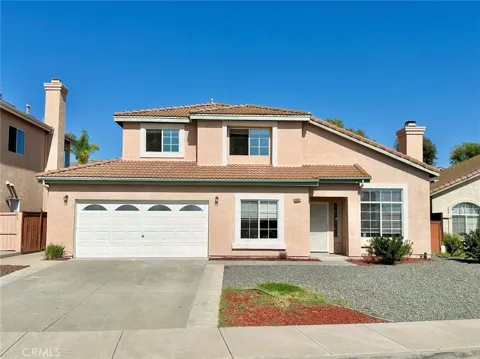
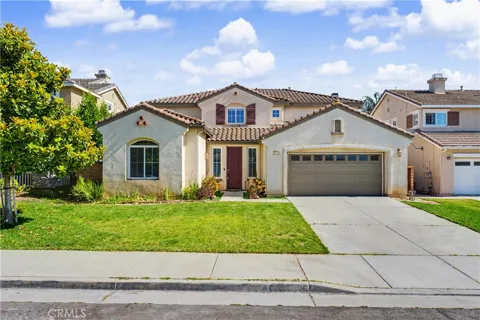
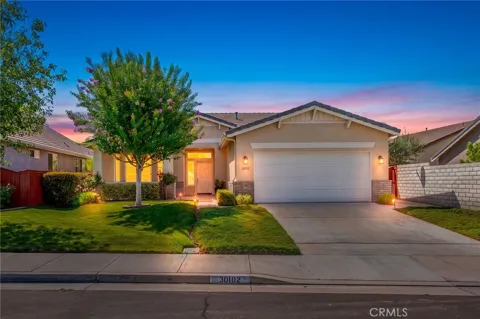
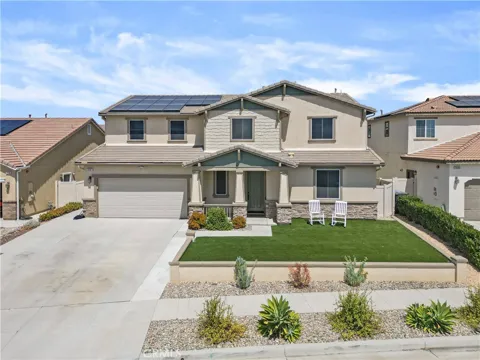
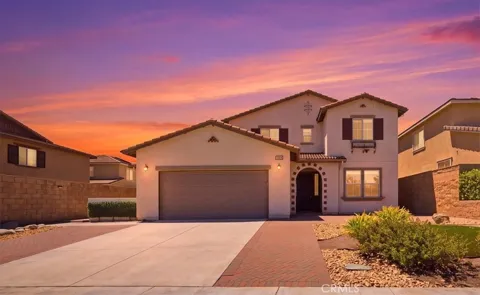
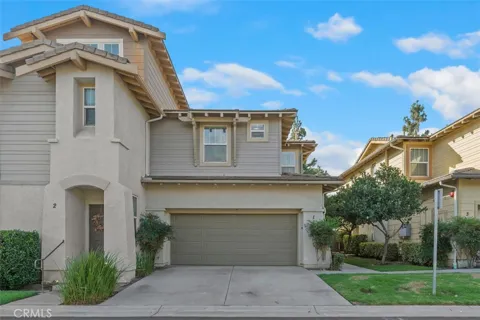
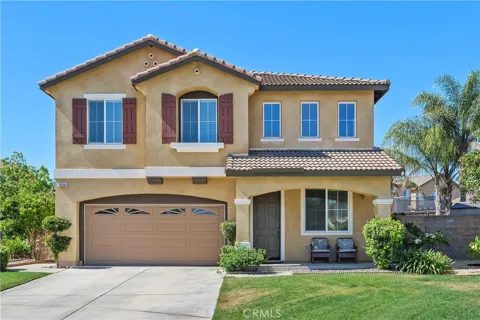
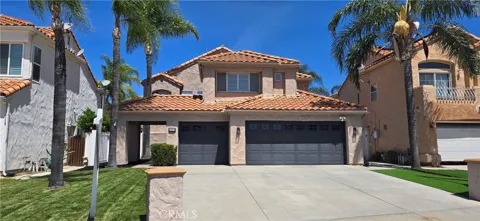
Murrieta's housing stock is dominated by newer single-family homes built during the city's rapid expansion from the 1990s onward. Master-planned communities set the tone, with tract and semi-custom homes on modest to larger lots, many offering community amenities such as pools, parks, and walking trails. Neighborhoods like Harveston are built around lake and open-space features, while the older Historic Murrieta and Murrieta Hot Springs areas include more established and character properties. Compared with coastal Southern California, Murrieta has long offered a more suburban, family-oriented housing profile. The market skews strongly toward ownership-oriented single-family residences serving commuters and growing households.
Murrieta's neighborhoods are largely master-planned communities built during the city's late-20th-century growth. Alta Murrieta was among the first, developed as a planned community with neighborhood amenities and access to top-rated schools. Harveston is a lake-centered community built around Harveston Lake and a pedestrian-friendly town center. The Murrieta Hot Springs area takes its name from the historic mineral springs and blends established streets with newer development. Other notable communities include Roripaugh Ranch, Greer Ranch, Crowne Hill, and the older Historic Murrieta district, giving buyers a range from brand-new amenity communities to mature, character-rich enclaves.
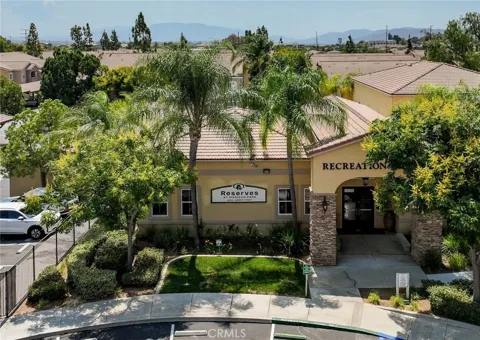
Murrieta offers a family-centered, suburban lifestyle shaped by highly regarded schools, safe master-planned communities, and a mild Southern California climate. The city's origins as a mineral springs resort linger in the historic Murrieta Hot Springs area, and its proximity to Temecula Valley wine country gives residents easy access to tasting rooms, vineyards, and open countryside. Community life revolves around neighborhood parks, youth sports, and school activities, while a growing retail and restaurant scene along the city's commercial corridors serves daily needs. Murrieta's appeal rests on combining suburban comfort with the recreational and cultural amenities of greater Temecula Valley.
Murrieta is served by Murrieta Valley Unified School District, which operates more than 20 elementary, middle, and high schools and serves roughly 22,000 students. The district has been recognized as a California Exemplary School District and is a central reason many families choose the city. Schools are distributed across Murrieta's neighborhoods, supporting strong neighborhood-school connections and active parent involvement. The district's TK-12 programming, along with athletics and extracurricular offerings, anchors community life, while the broader Temecula Valley area provides additional public, charter, and private educational options for families.
Murrieta sits along the I-15 and I-215 freeway corridors in southwestern Riverside County, positioning it between San Diego to the south and Riverside and the Inland Empire to the north. The freeways provide the primary commuter routes, with driving times to major employment centers varying by traffic; Temecula lies immediately south and San Diego is roughly an hour away. Regional highways connect Murrieta to Orange County and the coast. Commuting is predominantly automobile-based, consistent with the Inland Empire's suburban pattern, and the city's position at a freeway crossroads makes it a practical base for households with work obligations across Southern California.
Murrieta's recreation is anchored by a network of city parks and open spaces, including Harveston Lake Park, a lakeside gathering spot with walking paths and picnic areas, and facilities such as Los Alamos Hills Sports Park and California Oaks Sports Park for organized athletics. The city maintains trails for walking, biking, and equestrian use across its hillside and open-space areas. The historic Murrieta Hot Springs area recalls the city's resort origins, while the surrounding Temecula Valley offers vineyards, wineries, and rural countryside for weekend outings. Sykes Ranch Park and other preserves add natural settings for hiking and exploration close to home.
MARKET SNAPSHOT
How homes have been selling here over the last 90 days.
Market data reflects closed sales over the last 90 days and is provided for informational purposes.
BROWSE BY ZIP
Browse listings by postal code in this area.