Heart of Screenland
Welcome to Culver City, the walkable Westside hub known as the Heart of Screenland and set near the center of the Los Angeles region.
Culver City sits near the geographic center of the Los Angeles Basin, in western Los Angeles County, almost entirely surrounded by the city of Los Angeles and bordering the unincorporated community of Ladera Heights to the east. Incorporated in 1917, it began as a company town built around the film industry and remains one of the region's principal centers of entertainment production. The Sony Pictures Studios lot — the former MGM backlot — anchors the city's creative economy, joined by Culver Studios, Amazon MGM Studios, and a cluster of post-production, streaming, and media-technology firms. That studio legacy gives Culver City a distinct civic identity; it has long marketed itself as the "Heart of Screenland." Over time the city has broadened its economic base with technology and design offices, particularly in the Hayden Tract, a former industrial corridor now known for experimental architecture and creative workspaces. With about 40,000 residents, Culver City feels more like a self-contained small city than a suburb. Its downtown, centered on Culver Boulevard and the Culver Steps development, offers a walkable mix of restaurants, theaters, and shops, while residential neighborhoods climb into the Culver Crest hills to the south. The city operates its own police and fire departments, a unified school district, and a parks system, reinforcing its independent, town-like character within the larger metropolis. Its central location places it roughly midway between downtown Los Angeles and the Pacific coast, with Santa Monica and Marina del Rey nearby and Los Angeles International Airport a short distance to the south. The mix of entertainment-industry professionals, families, and a growing base of tech and design workers gives the city an energetic, creative character while retaining quieter residential streets in its hillside and park-side neighborhoods.
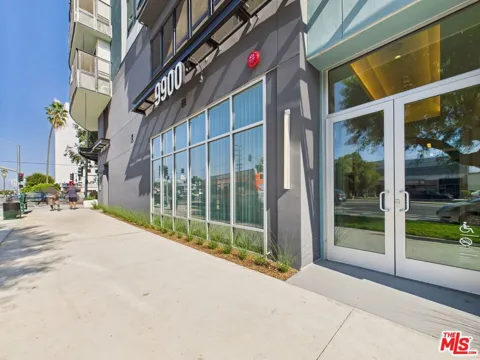
Culver City is in western Los Angeles County, almost entirely surrounded by the city of Los Angeles, with the unincorporated community of Ladera Heights bordering it to the east. It sits roughly midway between downtown Los Angeles and the Pacific coast.
Culver City grew up around the film industry, and the Sony Pictures Studios lot — originally the MGM backlot — remains a working studio. Culver Studios and Amazon MGM Studios are also located in the city, anchoring its enduring entertainment-industry identity.
The Culver City Unified School District (CCUSD) serves the city's public schools, enrolling roughly 6,500 students across about nine campuses. The district runs five elementary schools, a middle school, Culver City High School, and an adult school, with funding supplemented by a local parcel tax.
Yes. The Metro E Line (Expo Line) stops at Culver City station near Venice and Robertson Boulevards, offering service east to downtown Los Angeles and west to Santa Monica. Culver CityBus operates local routes throughout the city.
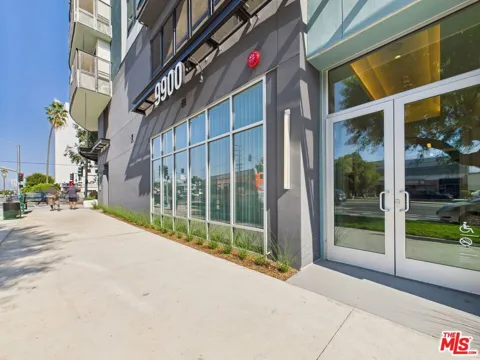
Culver City is roughly midway between downtown Los Angeles and the coast; Santa Monica and Marina del Rey are a short drive west, and Los Angeles International Airport lies a few miles to the south. The Ballona Creek bike path also links the city to the beach.
City Guide
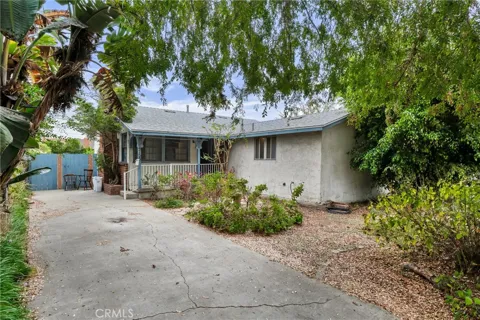
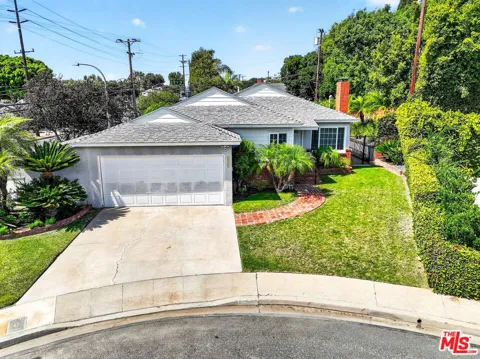
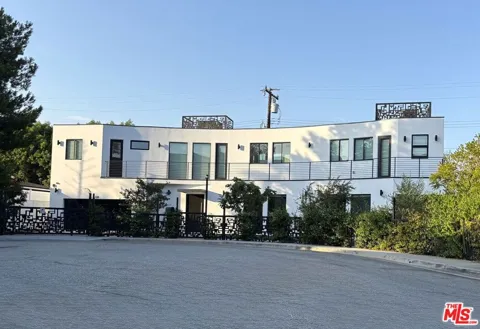
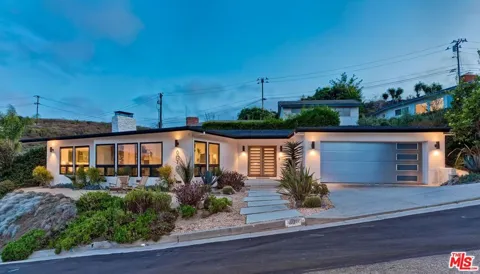
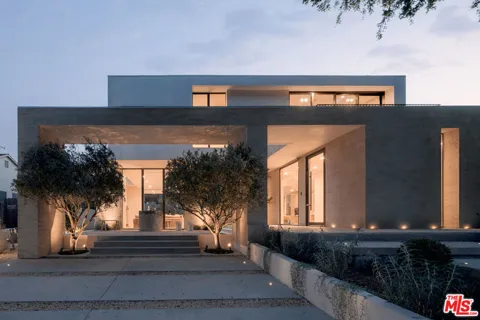
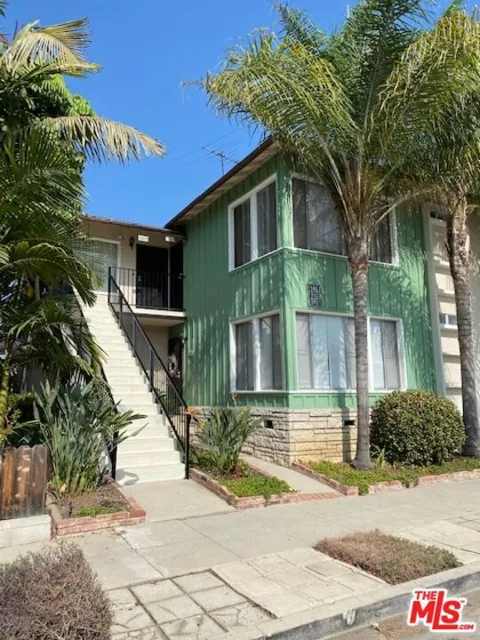
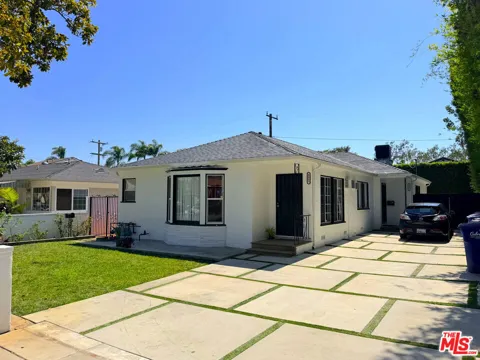
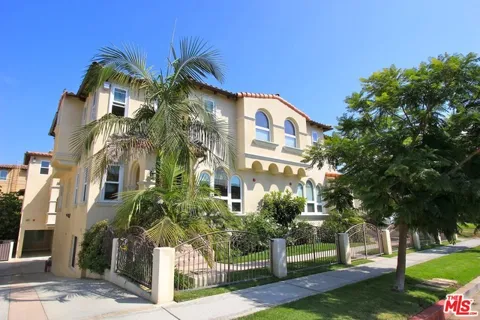
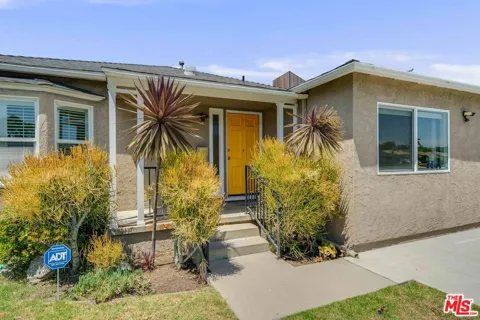
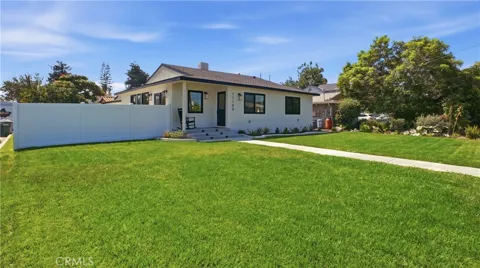
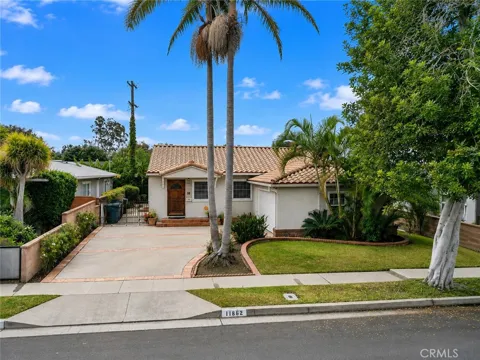
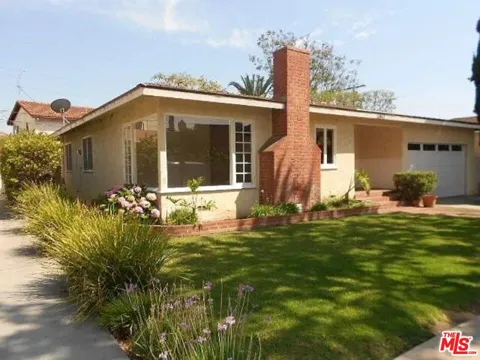
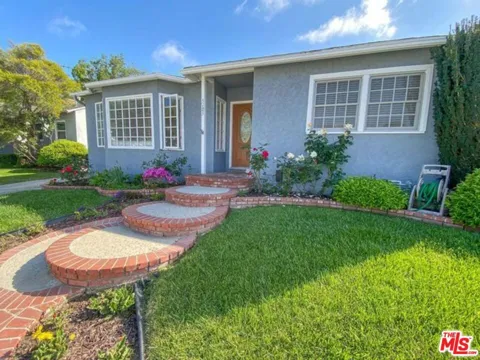
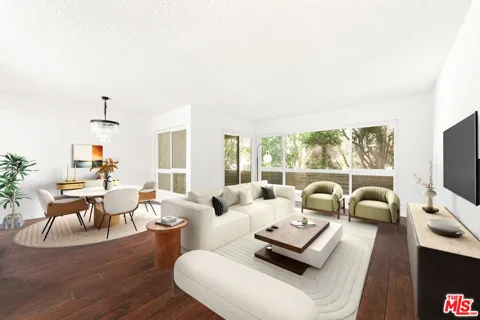
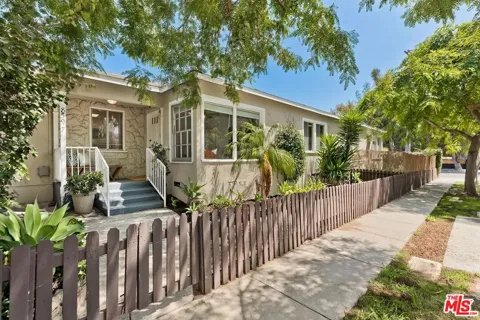
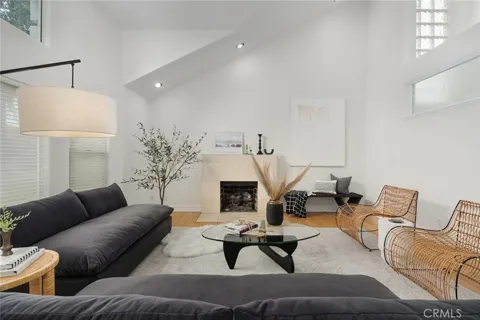
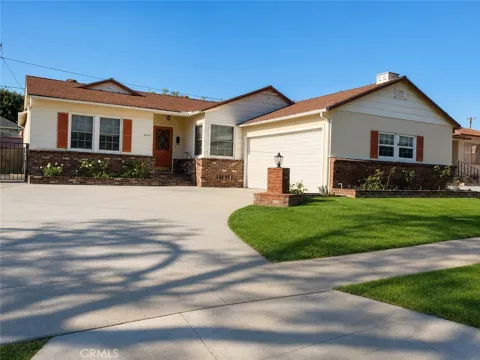
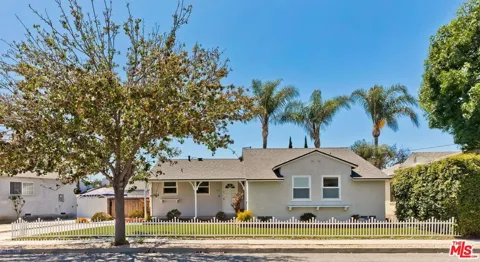
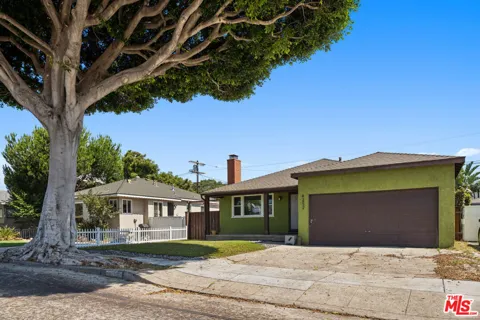
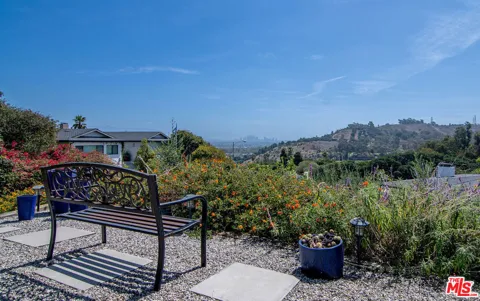
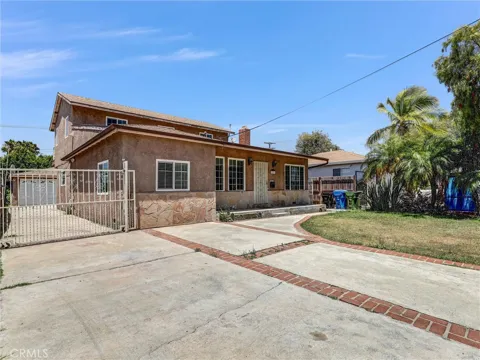
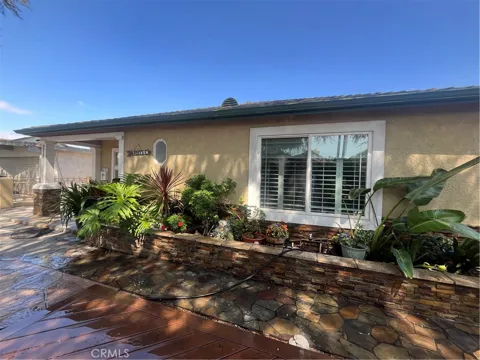
Culver City's housing reflects its evolution from early studio town to Westside urban center. Around downtown and the older districts, Craftsman bungalows and Spanish-influenced homes from the 1920s through the 1950s are common, while Carlson Park's Park East section holds homes built between the 1920s and 1950s. Culver Crest and the Blanco area on the hillsides feature Spanish Colonial and mid-century homes, often with views over the basin. Newer multifamily and mixed-use construction has concentrated along the Metro E Line corridor and in the Hayden Tract area. Because the city manages growth through its own planning and zoning processes rather than Los Angeles's, its development pattern mixes single-family neighborhoods with denser, transit-adjacent housing.
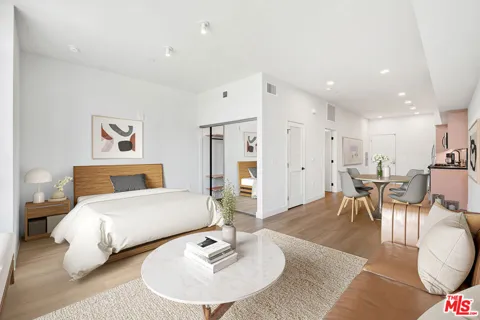
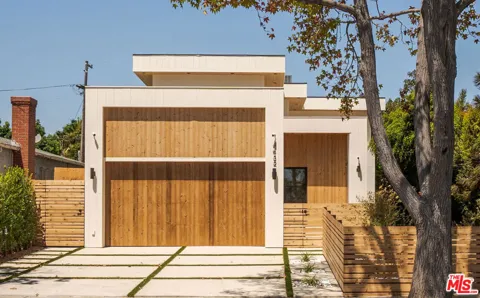
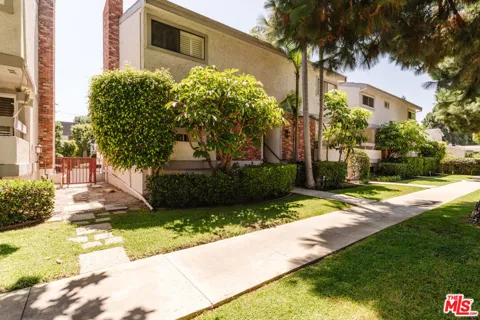
Culver City's neighborhoods include the hillside communities of Culver Crest and Blanco, prized for privacy and city views; Fox Hills, a residential district near the city's eastern edge; and Carlson Park, with its Park East and Park West sections clustered around neighborhood schools and a central green. The Washington Culver area shows strong Spanish architectural influence, while the downtown blocks around Culver Boulevard offer a mix of older storefronts and newer live-work buildings. Sunkist Park and Veterans Park are smaller established residential pockets. The Hayden Tract, though primarily commercial, anchors the city's reputation for creative office architecture.
Culver City's lifestyle centers on a compact, increasingly walkable downtown built around Culver Boulevard and the Culver Steps, a mixed-use gathering space with restaurants and public programming. The dining scene spans long-running neighborhood institutions and newer chef-driven spots, and its cultural institutions include the Kirk Douglas Theatre, the Wende Museum of the Cold War, and the Museum of Jurassic Technology. The studio presence gives everyday life a creative-industry texture, and community events, farmers' markets, and a well-used parks system reinforce a strong local identity that residents describe as a small town within Los Angeles.
Public education in Culver City is provided by the Culver City Unified School District (CCUSD), which serves roughly 6,500 students across about nine schools, including five elementary schools, a middle school, Culver City High School, and an adult school. The district is funded in part by a local parcel tax, reflecting community support for schools. Its language-immersion and arts programs are notable features, and the district's compact boundaries align closely with the city itself, which keeps schools closely tied to the neighborhoods they serve.
Culver City sits at a key junction of the Westside, bounded by Interstates 405 and 10 and close to the 90 freeway. The Metro E Line (Expo Line) stops at Culver City station near Venice and Robertson Boulevards, providing light-rail service east toward downtown Los Angeles and west toward Santa Monica. Culver CityBus operates local transit throughout the city, and the Ballona Creek bike path offers a dedicated off-street route toward the coast and Marina del Rey. Los Angeles International Airport is a short drive to the south.
Culver City operates about 13 parks, along with a municipal pool, skate park, dog park, tennis and basketball courts, and playgrounds. Culver City Park, in the hills above town, offers trail access, sports fields, and views across the basin, while Veterans Memorial Park hosts community events. The Ballona Creek bicycle path runs along the city's western edge toward the ocean, connecting to the Marvin Braude bike trail. The nearby Baldwin Hills Scenic Overlook, just across the city line, provides additional hiking with sweeping views from downtown Los Angeles to the Pacific.
MARKET SNAPSHOT
How homes have been selling here over the last 90 days.
Market data reflects closed sales over the last 90 days and is provided for informational purposes.
BROWSE BY ZIP
Browse listings by postal code in this area.