Upper Mojave Desert City
A Kern County city in the Indian Wells Valley of the upper Mojave Desert, shaped by Naval Air Weapons Station China Lake.
Ridgecrest is a city in northeastern Kern County, California, located in the Indian Wells Valley of the upper Mojave Desert, along U.S. Route 395. It sits at the western edge of the Mojave's high desert, framed by the Coso Range to the north and the El Paso Mountains to the south. At the 2020 census, the city reported a population of 27,959. The city's existence and character are inseparable from Naval Air Weapons Station China Lake, the vast Navy research, development, and testing installation immediately adjacent to the community. Ridgecrest incorporated as a city in 1963, growing as the primary civilian support community for the base, and the installation remains the dominant influence on the local economy, workforce, and identity. The relationship between the city and the base gives Ridgecrest an unusual character for a desert community of its size, with a concentration of engineers, scientists, and technical professionals, and a population that skews toward a younger median age than many rural desert towns. Culturally, Ridgecrest is anchored by the Maturango Museum, which interprets the natural and cultural history of the northern Mojave, including the region's celebrated petroglyphs, and the China Lake Museum, which documents the history of the naval installation and its contributions to aviation and weapons technology. The city serves as a regional hub for the Indian Wells Valley and a gateway to the recreational lands of the eastern Sierra and Death Valley. Its high-desert climate brings warm, dry summers and clear, dark night skies that support stargazing and astronomy. Ridgecrest appeals to residents connected to the base, to those seeking more affordable housing within California, and to outdoor enthusiasts drawn to the Mojave's open landscape and the nearby Sierra Nevada. It offers a self-contained, close-knit community with the amenities of a small city set against a dramatic desert backdrop.
Ridgecrest is in Kern County, California, in the Indian Wells Valley of the upper Mojave Desert, in the northeastern part of the county. It sits along U.S. Route 395, adjacent to Naval Air Weapons Station China Lake, and is the largest community in the Indian Wells Valley region.
Ridgecrest is known for its close association with Naval Air Weapons Station China Lake, a major Navy research, development, and testing installation that anchors the local economy. The city is also known for the Maturango Museum, which interprets the northern Mojave's natural and cultural history, including the famous Coso Range petroglyphs.
Ridgecrest is served by the Sierra Sands Unified School District, the only K-12 school district in the Ridgecrest area. The district operates elementary, middle, and high schools, including programs serving families connected to Naval Air Weapons Station China Lake.
Ridgecrest offers access to Maturango Museum petroglyph tours, the China Lake Museum, and extensive desert recreation including hiking, off-highway exploration, and stargazing. The eastern Sierra, Death Valley National Park, and the Alabama Hills are within a reasonable drive, making the city a gateway to the region's outdoor destinations.
Ridgecrest is reached via U.S. Route 395, which connects it south toward the Los Angeles basin, and State Route 178, which runs west to Bakersfield and the San Joaquin Valley. The city is roughly a two-and-a-half to three-hour drive from the Los Angeles area, depending on route and conditions.
City Guide
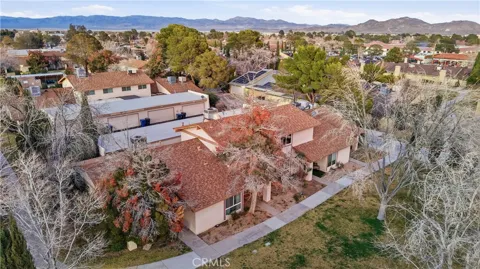
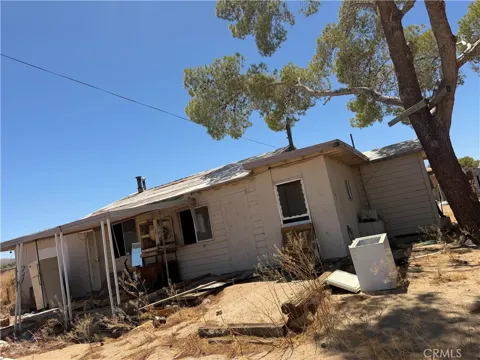
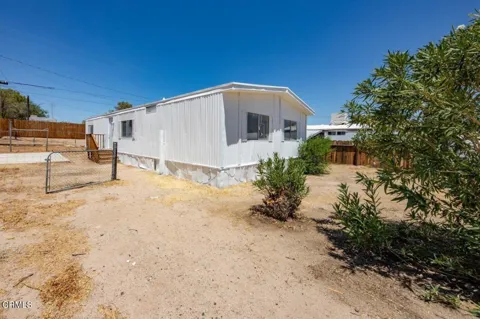
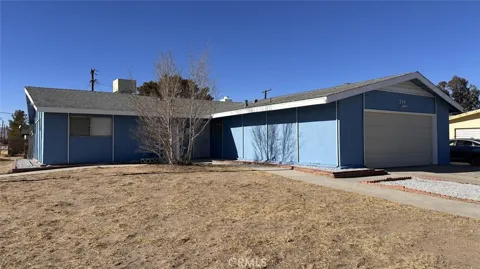
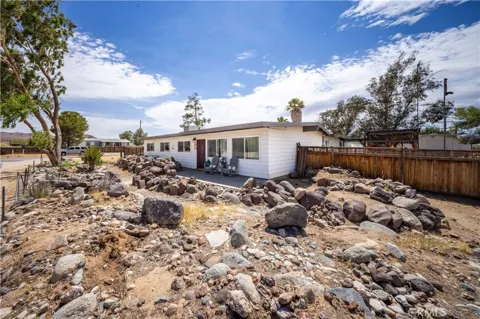
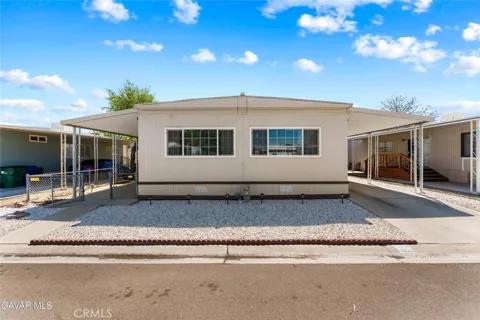
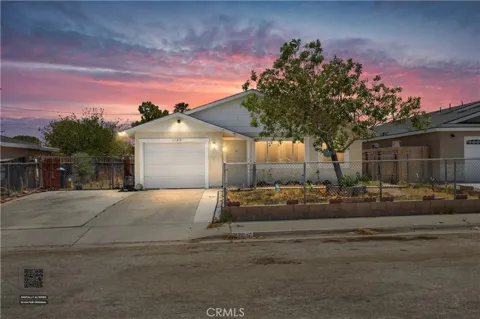
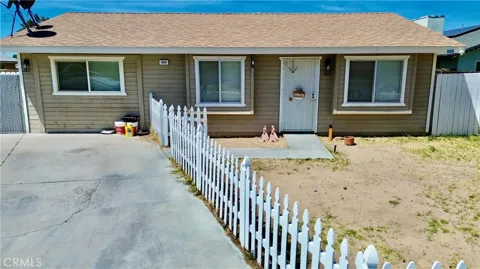
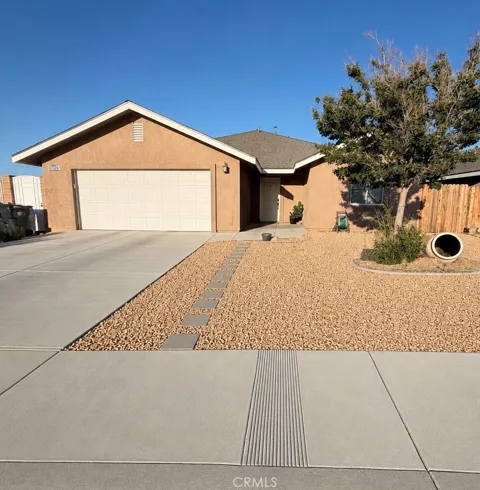
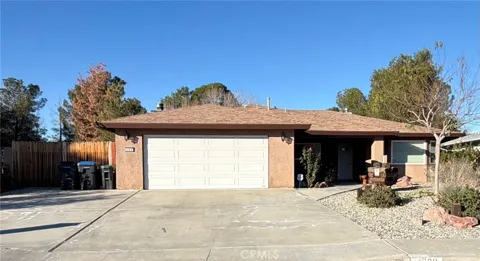
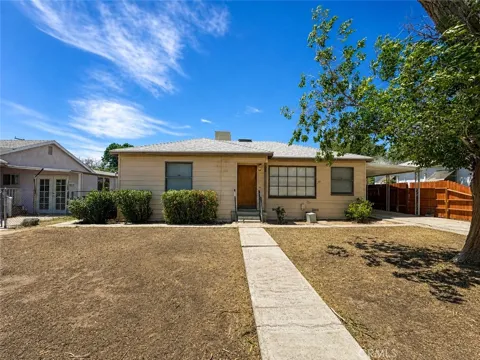
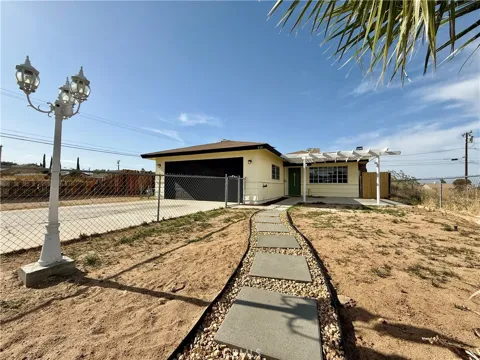
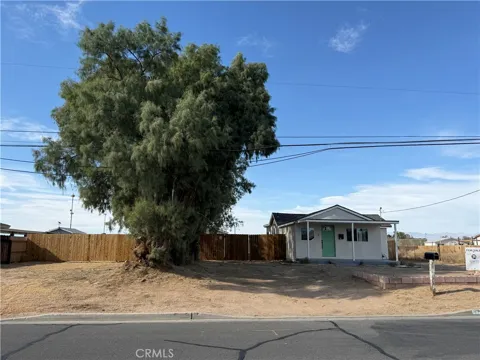
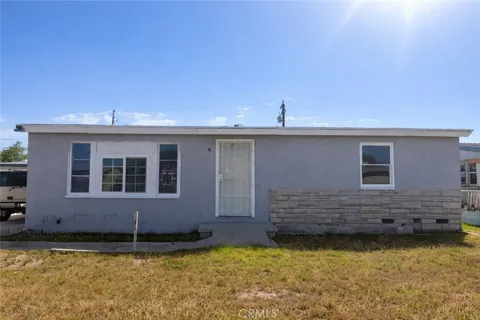
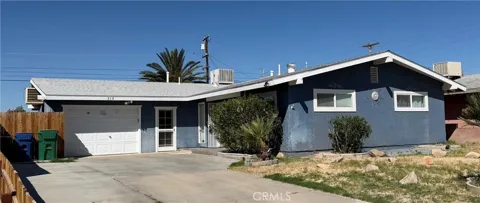
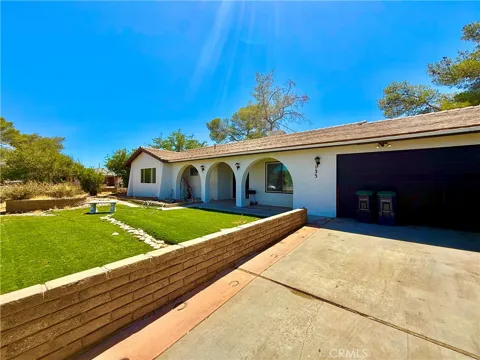
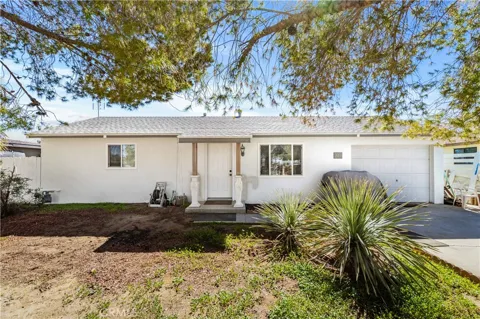
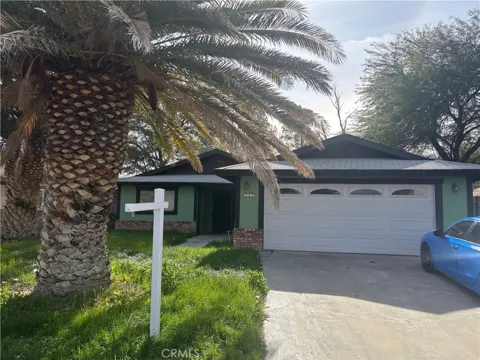
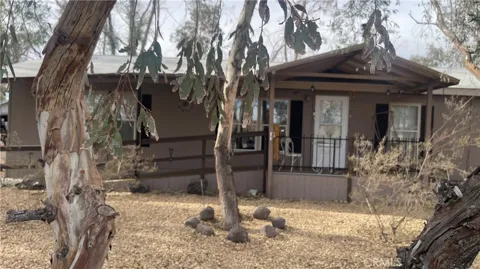
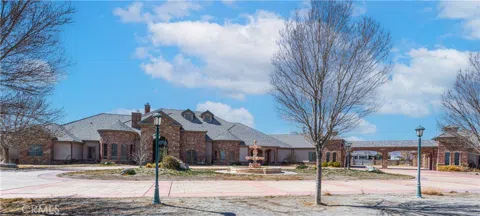
Ridgecrest's housing market is defined by relative affordability and steady, base-driven demand. The stock is largely suburban single-family homes built across several decades, with a mix of older mid-century houses, newer subdivisions, and some multifamily and rental properties. Homeownership is common, and the city's location in the upper Mojave keeps housing costs well below California's coastal markets. The presence of Naval Air Weapons Station China Lake provides a stable employment anchor that supports the housing market, though activity can reflect the rhythms of federal funding and base operations. Buyers are typically base personnel, retirees, and residents seeking desert living with a lower cost of entry than the state's major metros.
Ridgecrest is organized around its commercial core and the naval installation to its northeast. Residential neighborhoods spread outward from the city center in a grid-oriented, suburban pattern, with a mix of established mid-century subdivisions and newer developments on the city's edges. The city's layout is car-oriented, with commercial activity concentrated along the main corridors. Because the community grew primarily as a base town, neighborhoods tend to be cohesive and practical rather than sharply differentiated, though proximity to the base, the city's schools, and the commercial district shapes local desirability. The surrounding desert and mountain views are a consistent feature across the city's residential areas.
Life in Ridgecrest blends a close-knit base-community identity with the openness of the high desert. The city's workforce and social life are closely tied to Naval Air Weapons Station China Lake, giving it a strong sense of shared purpose and a concentration of technical professionals. The Maturango Museum and China Lake Museum anchor local culture, while community events, sports leagues, and the city's parks provide year-round gathering points. The desert setting offers wide-open skies, dark nights for stargazing, and easy access to the eastern Sierra and Death Valley. The pace is slower and more affordable than California's coastal cities, appealing to those who value space, quiet, and outdoor recreation.
Public education in Ridgecrest is provided by the Sierra Sands Unified School District, the only K-12 school district serving the Ridgecrest area. The district operates elementary, middle, and high schools, along with programs serving the children of personnel at Naval Air Weapons Station China Lake. The district's schools are a central part of the community, and its relatively small scale allows for close ties between families and educators. In addition to the public system, private school options exist, and Cerro Coso Community College offers a local higher-education pathway, while larger institutions are available in Bakersfield and the Los Angeles region.
Ridgecrest is reached primarily by U.S. Route 395, the principal north-south highway of the eastern Sierra and upper Mojave, which connects the city south to the Los Angeles basin and north to the Owens Valley and Mammoth Lakes. State Route 178 provides a route west across the desert toward Bakersfield and the San Joaquin Valley. The city is served by the Inyokern Airport, located nearby, with limited regional air service, while larger commercial airports are found in Bakersfield and the Los Angeles area. Within the city, travel is automobile-oriented, and the surrounding desert roads connect Ridgecrest to the region's recreational destinations.
Recreation in and around Ridgecrest draws on the dramatic landscape of the upper Mojave. The Maturango Museum offers guided tours of the nearby Coso Range petroglyphs, one of the most significant concentrations of ancient rock art in North America, and interprets the region's geology, ecology, and cultural history. The China Lake Museum documents naval aviation and weapons-testing history. Outdoor enthusiasts use Ridgecrest as a base for hiking, off-highway exploration, and stargazing in the desert, with the eastern Sierra, Death Valley National Park, and the Alabama Hills all within a reasonable drive. The valley's clear, dark skies make astronomy a notable local pursuit.
MARKET SNAPSHOT
How homes have been selling here over the last 90 days.
Market data reflects closed sales over the last 90 days and is provided for informational purposes.
BROWSE BY ZIP
Browse listings by postal code in this area.