Crown City of the San Gabriel Valley
Welcome to Pasadena, the Los Angeles County city at the foot of the San Gabriel Mountains — home of the Rose Parade, Caltech, and one of the nation's great collections of Craftsman architecture.
Pasadena is a city in western Los Angeles County, California, set at the base of the San Gabriel Mountains about ten miles northeast of downtown Los Angeles. Founded in the late 1800s and incorporated in 1886, it developed as a winter resort and railroad destination before maturing into one of the region's most culturally and intellectually significant cities. Its nickname, the "Crown City," and its long association with the Tournament of Roses — first staged in 1890 — reflect both its early prominence and its enduring civic identity. The city is home to roughly 138,000 residents across about 23 square miles, giving it a density and urbanity that set it apart from the more sprawling communities around it. Pasadena is a major center of science and higher education, anchored by the California Institute of Technology (Caltech) and NASA's Jet Propulsion Laboratory, which Caltech manages, along with Pasadena City College, ArtCenter College of Design, and a cluster of other institutions. This academic and research presence shapes the city's professional, well-educated character and supports a strong knowledge-sector economy alongside healthcare, finance, and the arts. Pasadena's built environment is a defining feature. More than 40 historic and landmark districts preserve a remarkable concentration of Craftsman, Spanish Colonial, Prairie, and Period Revival architecture, much of it from the city's early-20th-century growth. Old Pasadena, a National Register historic district, stands as a national model of downtown revitalization, its restored storefronts now filled with shops, restaurants, and entertainment. The city's cultural institutions — the Norton Simon Museum, the Gamble House, the Pasadena Playhouse, and the Rose Bowl itself — add further depth. For residents, Pasadena offers a rare combination: a walkable, historic, self-contained city with direct rail access to downtown Los Angeles. The Metro A Line connects Pasadena to Union Station and the broader regional transit network, while the I-210 and I-134 freeways provide road access across the San Gabriel Valley. With its architectural character, educational institutions, and cultural calendar anchored by the Rose Parade, Pasadena appeals to professionals, academics, families, and anyone seeking an established urban lifestyle with a strong sense of place.
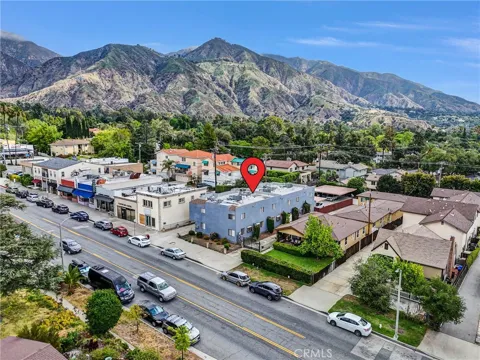
Pasadena is in Los Angeles County, California, at the base of the San Gabriel Mountains, about ten miles northeast of downtown Los Angeles. It covers roughly 23 square miles and is part of the greater Los Angeles metropolitan area.
Pasadena's public schools are part of the Pasadena Unified School District. The city is also a major higher-education center, home to Caltech, Pasadena City College, and the ArtCenter College of Design, with several private schools serving families as well.
Pasadena sits about ten miles northeast of downtown Los Angeles. The Metro A Line light rail runs from Pasadena to Union Station in downtown LA, and the I-210 Freeway and Metrolink's Antelope Valley Line provide additional regional connections.
Pasadena is best known for the annual Tournament of Roses Parade and the Rose Bowl Game, traditions that date to the late 1800s. It is also recognized for Caltech, NASA's Jet Propulsion Laboratory, its Craftsman-era architecture, and the Norton Simon Museum and Gamble House.
Pasadena has more than 40 landmark and historic districts. Notable neighborhoods include Bungalow Heaven, known for its Craftsman homes; Madison Heights, with its early 20th-century Arts and Crafts and Period Revival houses; Arroyo Terrace, home to several Greene and Greene designs; and the walkable Old Pasadena commercial district.
City Guide
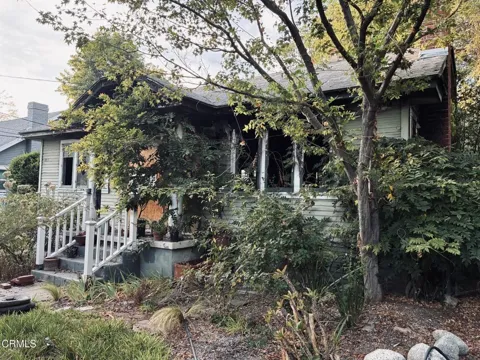
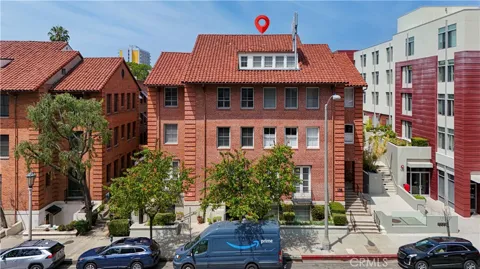
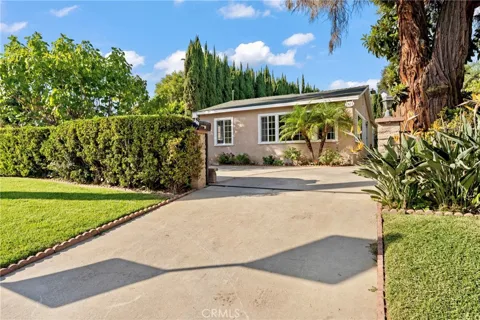
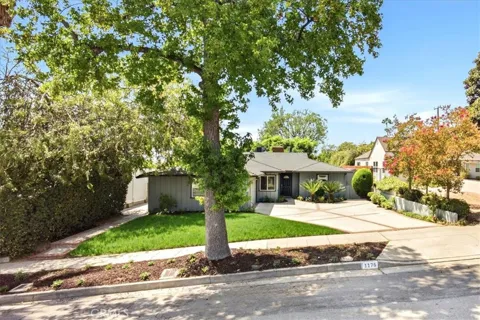
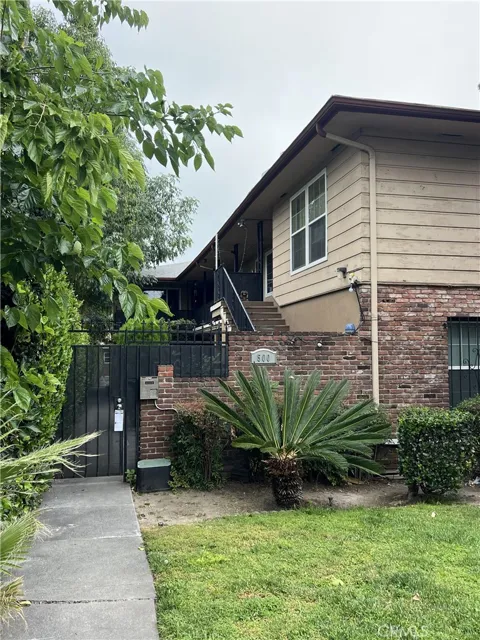
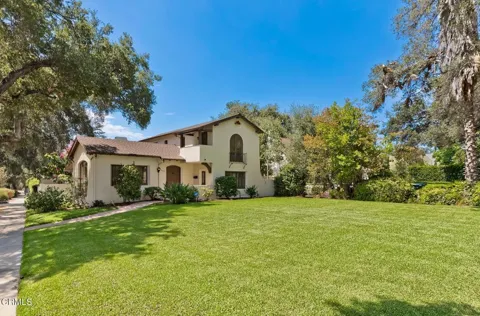
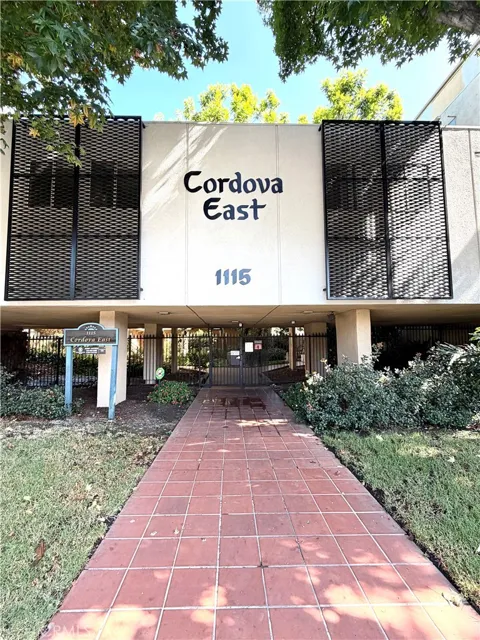
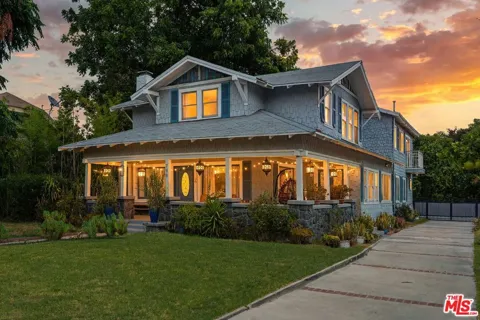
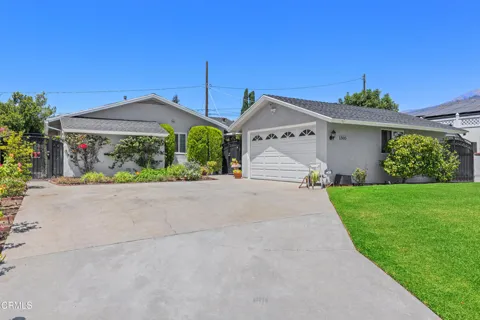
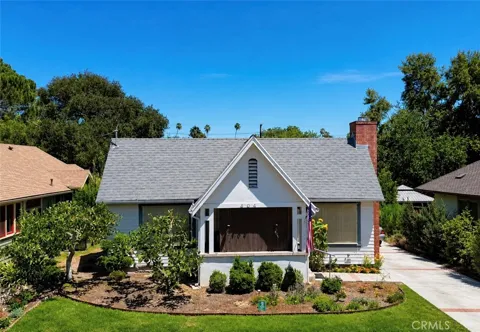
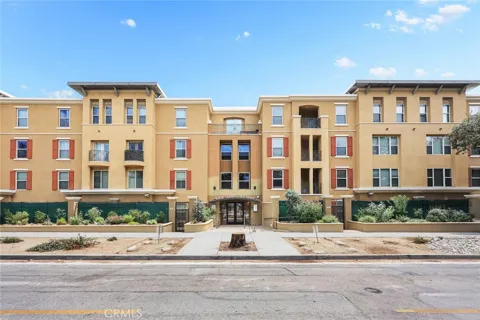
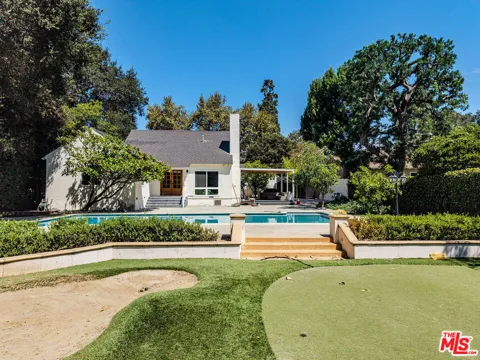
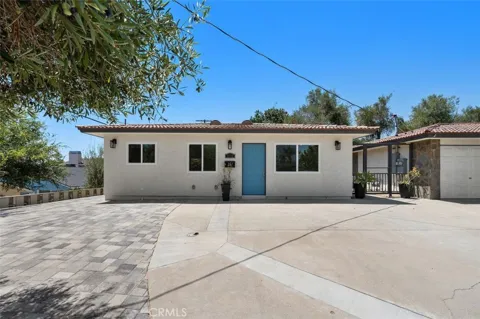
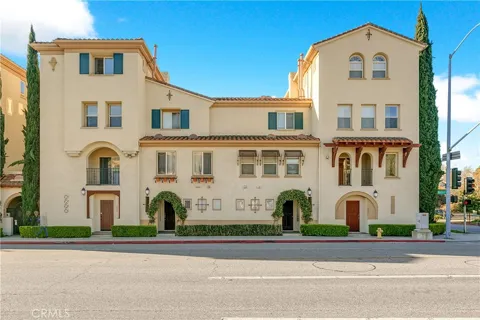
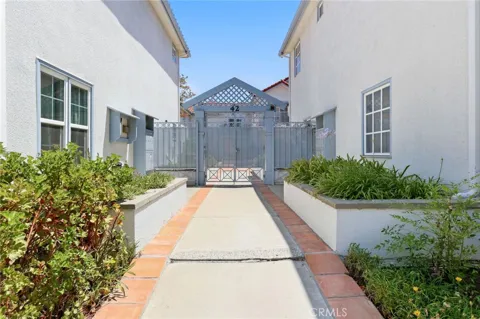
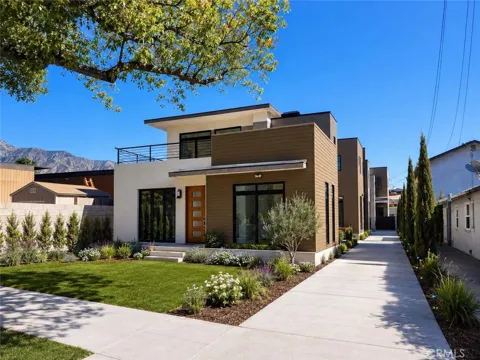
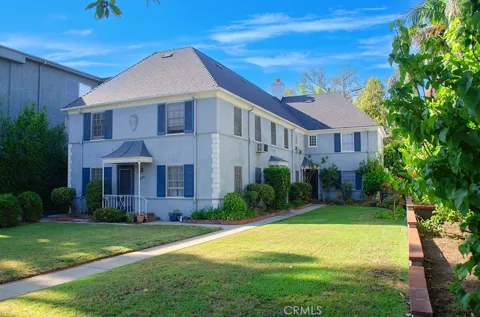
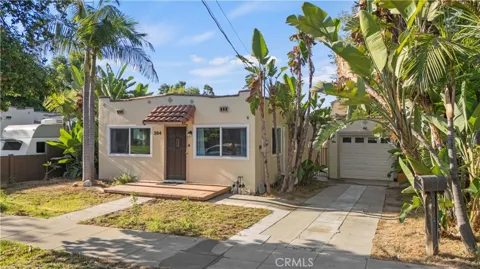
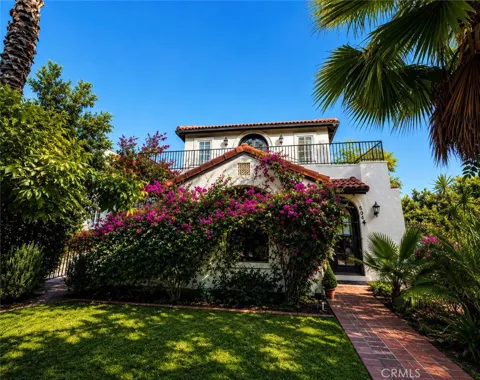
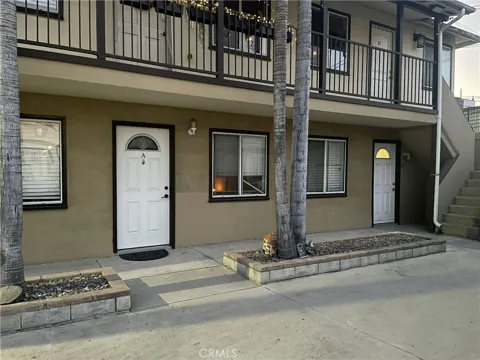
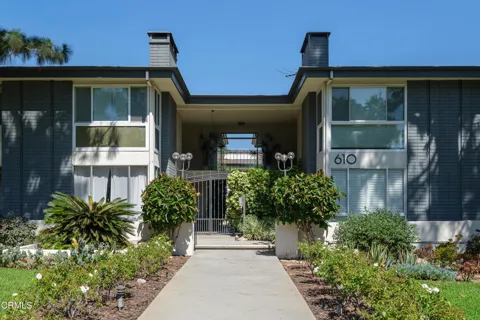
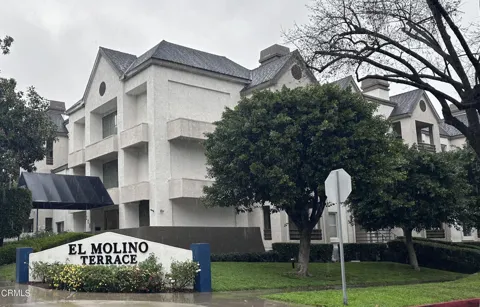
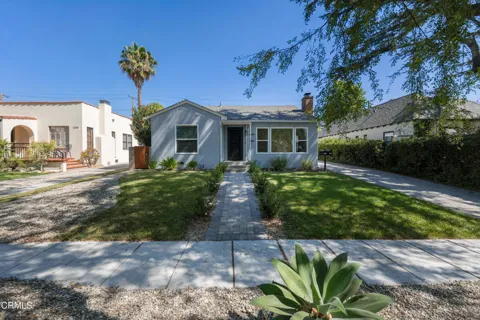
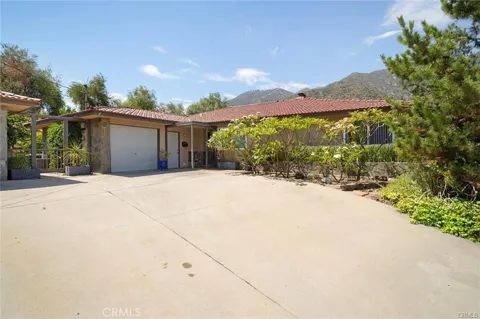
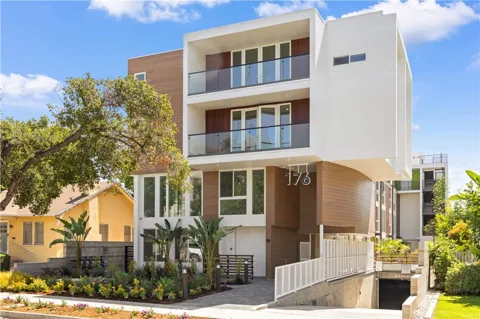
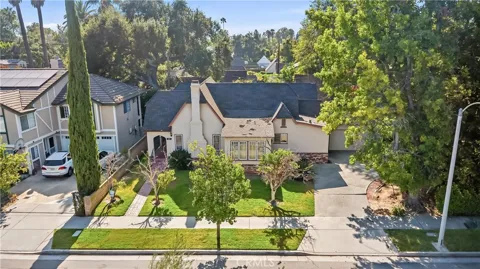
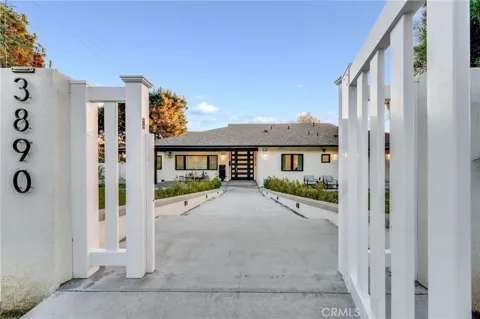
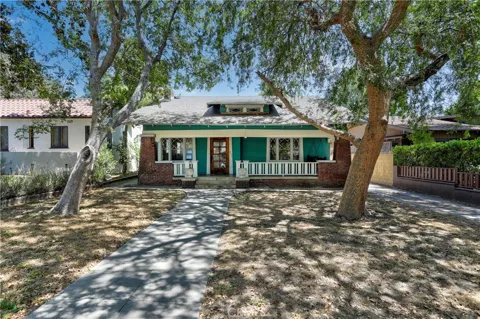
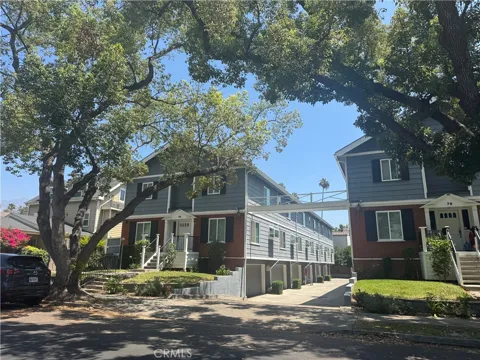
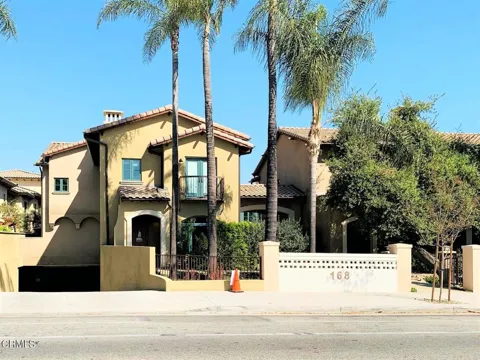
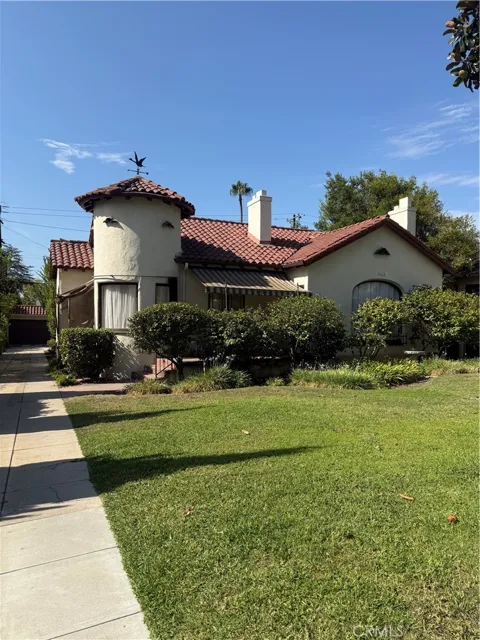
Pasadena's housing market is defined by architectural character and historic preservation. The city contains more than 40 landmark and historic districts, and its residential streets are lined with Craftsman bungalows, Spanish Colonial, Prairie, and Period Revival homes built largely between the late 1800s and the 1930s. Neighborhoods such as Bungalow Heaven and Madison Heights showcase this early-20th-century stock, much of it maintained under historic-district protections. Alongside these single-family neighborhoods, the city offers condominiums and apartments, particularly near Old Pasadena and the light-rail corridor, and a number of larger estate properties in the foothill areas. Buyers in Pasadena are typically drawn to its architectural heritage, mature tree canopy, and proximity to the region's cultural and employment centers.
Pasadena's neighborhoods are among the most architecturally significant in Southern California. Bungalow Heaven, one of the city's first landmark districts, is celebrated for its Craftsman homes beneath mature oaks. Madison Heights developed between 1910 and the 1920s, layering Arts and Crafts and Period Revival styles into a rich early-20th-century streetscape. Arroyo Terrace is a National Register historic district containing nine Greene and Greene houses, including the famed Gamble House nearby. Old Pasadena serves as the walkable commercial and entertainment heart, while districts such as Jefferson Park offer more modest character homes. This breadth of historic neighborhoods gives each part of the city a distinct architectural and community identity.
Pasadena's lifestyle pairs small-city walkability with big-city cultural depth. Old Pasadena, a revitalized historic district on Colorado Boulevard, anchors dining, shopping, and evening activity in restored early-20th-century storefronts, while the nearby South Lake district and the Playhouse District add theaters, galleries, and cafés. The city's institutions — the Norton Simon Museum, the Gamble House, the Pasadena Playhouse, and the Rose Bowl's concert and event calendar — give residents a steady stream of arts and entertainment. The Rose Parade brings the city to the world's attention each New Year's Day. With its tree-lined streets, historic neighborhoods, and intellectual, creative population, Pasadena offers a refined, established urban lifestyle distinct from much of greater Los Angeles.
Pasadena is served by the Pasadena Unified School District, which operates elementary, middle, and high schools across the city, alongside a range of private and independent schools that give families broad options. The city's educational identity extends far beyond K-12, however: Pasadena is home to Caltech, one of the world's leading science and engineering institutions, as well as Pasadena City College, one of California's largest community colleges, and the ArtCenter College of Design, a top-ranked art and design school. Caltech's strategic partnership with the local school district reflects the connection between the city's institutions and its public education system. This concentration of higher education enriches the community's academic and cultural life.
Pasadena is well connected to the Los Angeles region by both road and rail. The Metro A Line light rail runs through the city to Union Station in downtown Los Angeles, providing a direct transit link for commuters, while Metrolink's Antelope Valley Line serves the area from its Lake Avenue station. The I-210 Freeway runs through the city, connecting to the I-134 and the broader regional freeway network, though peak-hour congestion is a familiar reality of Southern California commuting. Within Pasadena, the compact grid, walkable commercial districts, and Metro stations support a more pedestrian-oriented lifestyle than much of the region. Proximity to downtown Los Angeles and Burbank's airport adds further convenience.
Pasadena's recreation is anchored by the Rose Bowl and Brookside Park in the Arroyo Seco, a natural canyon that offers trails, golf, and open space along the city's western edge. The San Gabriel Mountains rise directly north of the city, placing hiking and trail systems such as those in the Arroyo Seco and nearby foothills within easy reach. The Rose Bowl Stadium hosts UCLA football and major events, while the Rose Bowl Loop and surrounding parkland draw walkers, runners, and cyclists year-round. The annual Rose Parade itself is a defining civic tradition, with the route running along Colorado Boulevard. The city's parks, the Arroyo's equestrian and walking paths, and the mountain backdrop make outdoor recreation a routine part of Pasadena life.
MARKET SNAPSHOT
How homes have been selling here over the last 90 days.
Market data reflects closed sales over the last 90 days and is provided for informational purposes.
BROWSE BY ZIP
Browse listings by postal code in this area.