Coachella Valley Resort City
Welcome to Palm Desert, a Coachella Valley resort city known for the shops and galleries of El Paseo, a concentration of golf country clubs, and The Living Desert Zoo and Gardens.
Palm Desert is a city in Riverside County, California, located in the central Coachella Valley about 14 miles east of Palm Springs. It lies in the Colorado Desert arm of the Sonoran Desert, framed by the Santa Rosa Mountains to the south and the Little San Bernardino Mountains to the north, a setting that gives the city its dramatic backdrop and its year-round warm, arid climate. Palm Desert grew substantially in the latter half of the 20th century from a small desert settlement into one of the valley's principal residential, retail, and resort communities. The city's commercial and cultural heart is El Paseo, a mile-long district of high-end boutiques, art galleries, and restaurants that is frequently described as the "Rodeo Drive of the Desert." Along with the adjacent Gardens on El Paseo and a schedule of events that includes the Palm Desert Food & Wine festival, the district anchors the city's identity as an upscale shopping and dining destination. Palm Desert also serves as a civic and institutional center for the mid-valley, home to the headquarters of College of the Desert, the region's community college, and to The Living Desert Zoo and Gardens, a major conservation and botanical attraction. Recreation is central to life in Palm Desert. The city and its immediate surroundings contain a dense concentration of golf courses and country club communities, from long-established clubs to newer private and semi-private facilities, making golf a defining element of the local lifestyle. Tennis, pickleball, hiking in the adjacent mountains, and resort-style living round out the recreation picture. With a population of roughly 52,000, Palm Desert functions as both a year-round community and a seasonal destination, drawing retirees, second-home owners, and a growing base of full-time residents. Desert Sands Unified School District serves the city, and Palm Springs International Airport, about a 20-minute drive west, provides convenient air access. The city's combination of resort amenities, retail sophistication, and desert scenery makes it a distinctive and sought-after address in the Coachella Valley.
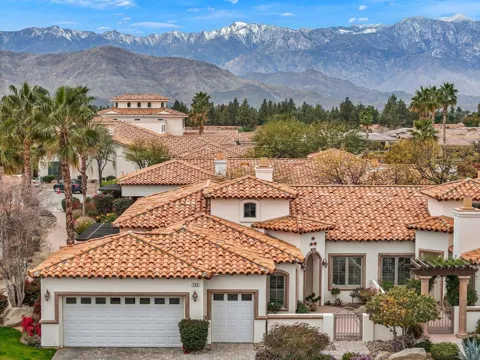
Palm Desert is in Riverside County, California, in the central Coachella Valley about 14 miles east of Palm Springs. The city lies in the Colorado Desert portion of the Sonoran Desert, with the Santa Rosa Mountains rising directly to its south.
Palm Desert is known for El Paseo, a mile-long shopping and dining district of boutiques and galleries often called the 'Rodeo Drive of the Desert.' The city is also known for its many golf and country club communities, The Living Desert Zoo and Gardens, and its location at the center of the Coachella Valley's resort corridor.
Palm Desert is served by the Desert Sands Unified School District, which operates schools across the central and eastern Coachella Valley, including Palm Desert, Indian Wells, La Quinta, and Indio. The city is also home to College of the Desert, the region's community college. Families should verify the specific schools assigned to an address.
Palm Desert is about 14 miles east of Palm Springs along Highway 111. Palm Springs International Airport, the region's primary commercial airport, is roughly a 20-minute drive west. Interstate 10 runs along the northern edge of the valley, providing freeway access toward Los Angeles and Arizona.
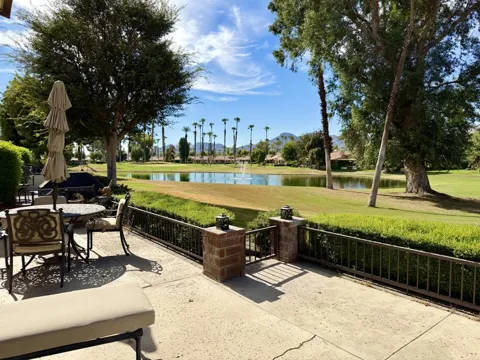
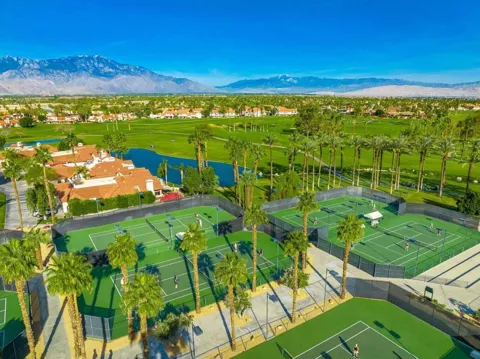
Palm Desert has one of the densest concentrations of golf courses and country clubs in the Coachella Valley, with communities such as The Lakes, Palm Valley, Desert Falls, and others offering fairway-oriented living, tennis, and club amenities. The area's warm, dry climate supports golf through much of the year, making it a longstanding destination for the sport.
City Guide
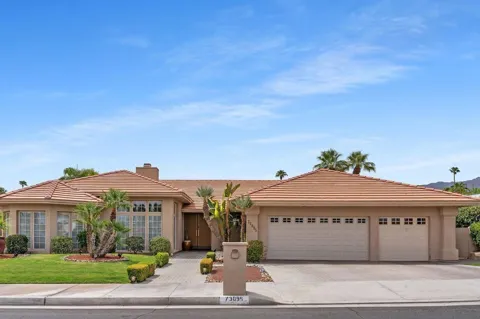
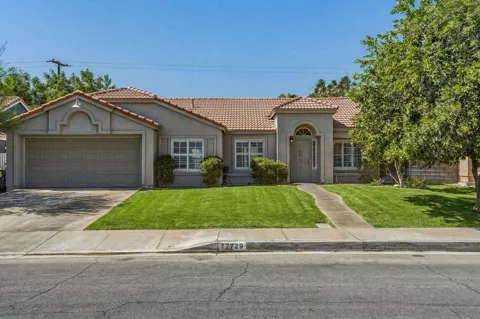
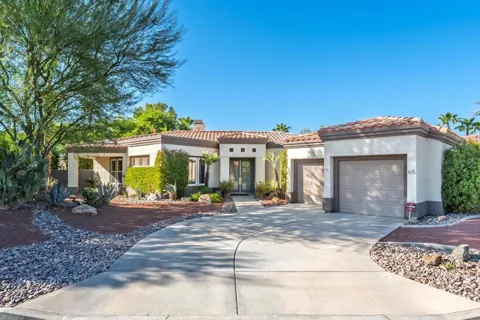
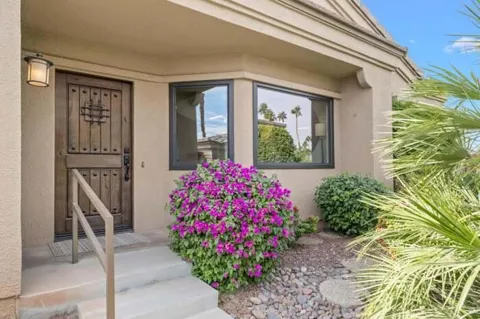
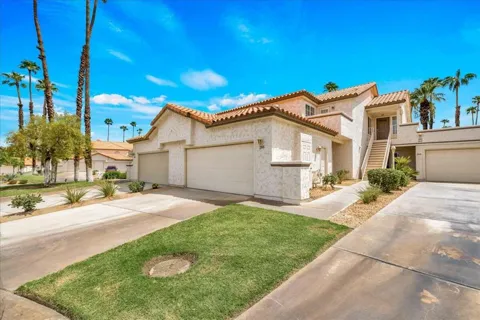
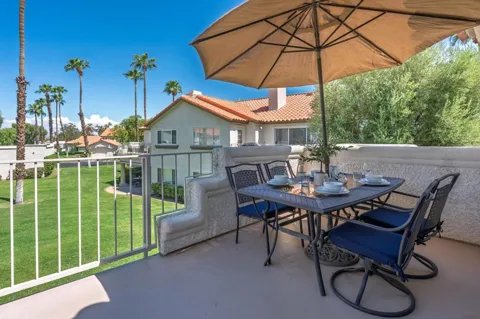
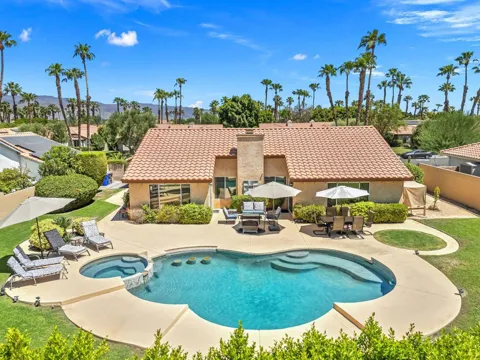
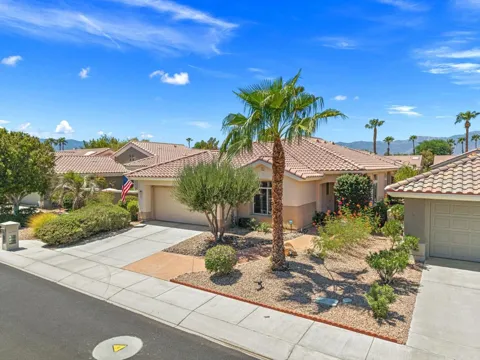
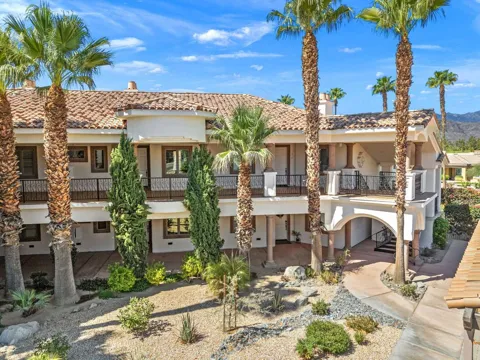
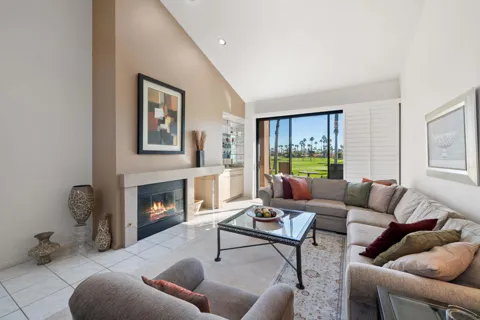
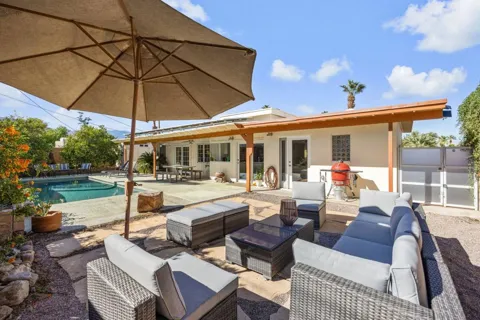
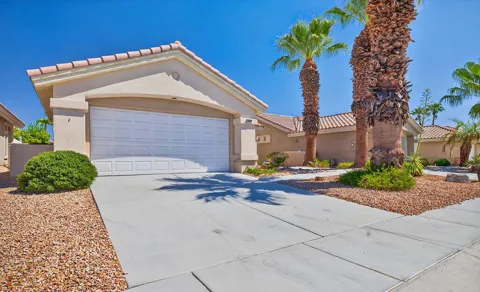
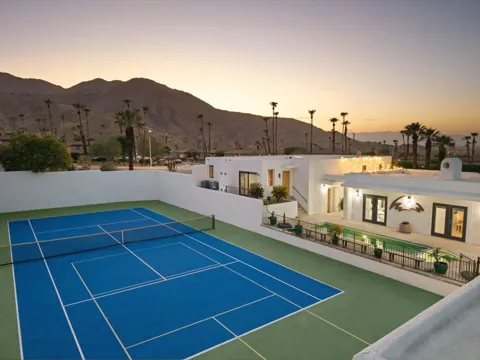
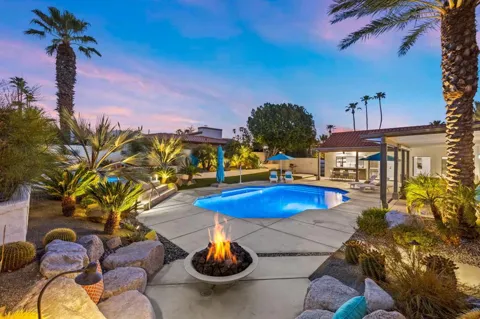
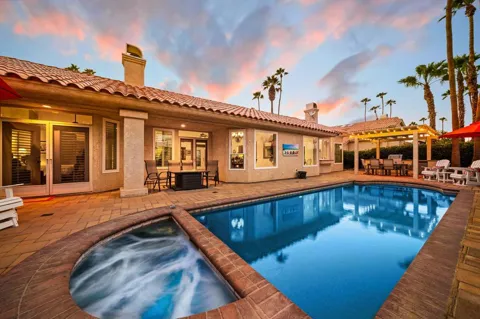
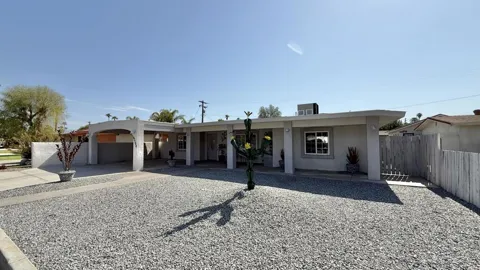
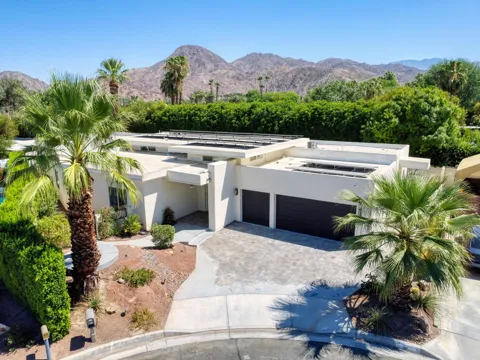
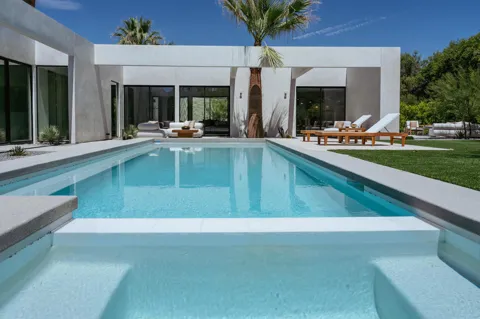
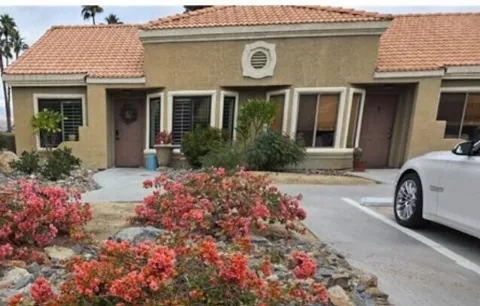
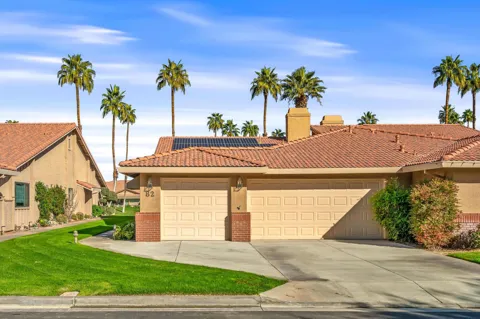
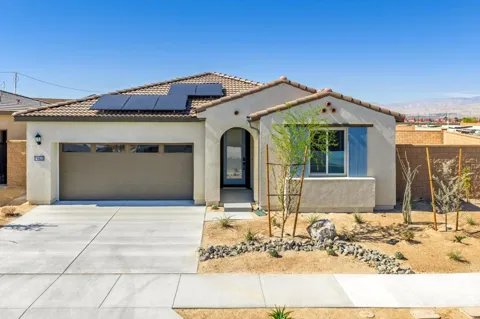
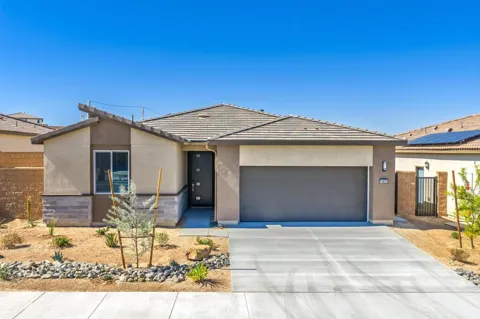
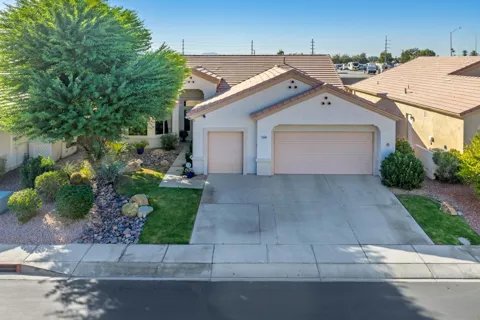
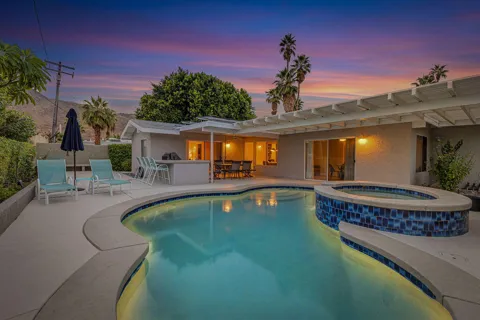
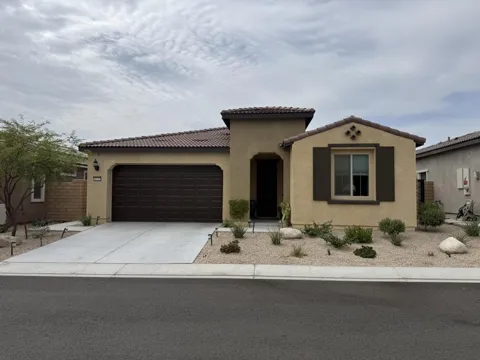
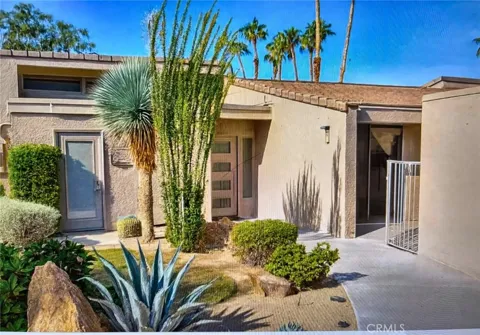
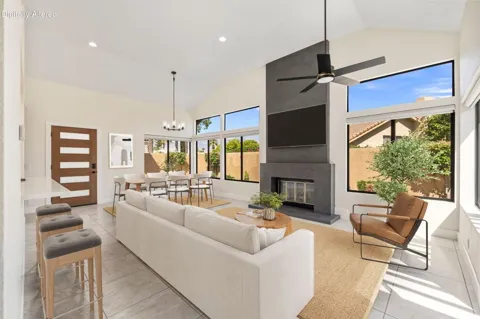
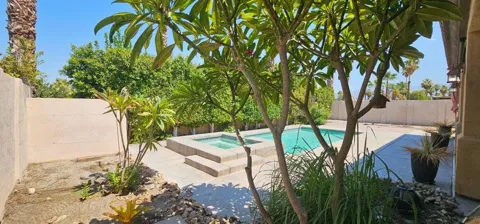
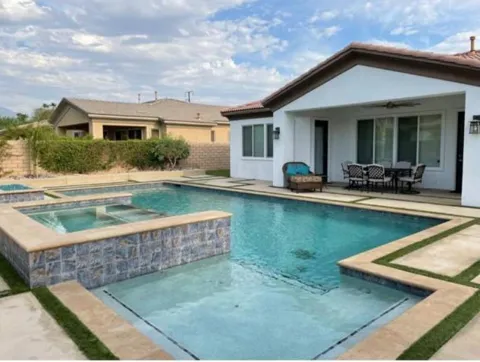
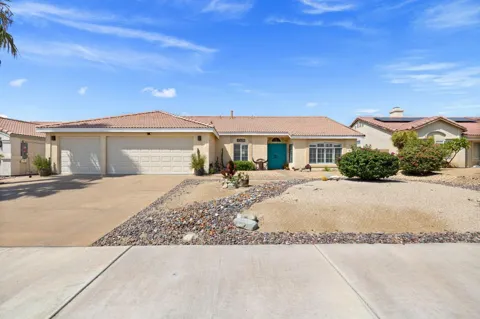
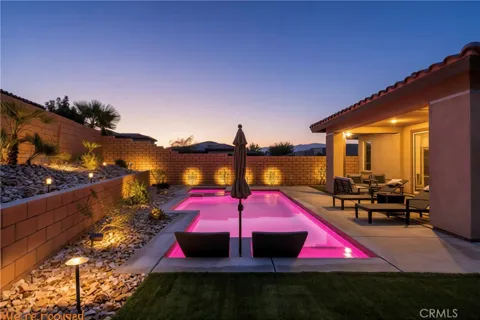
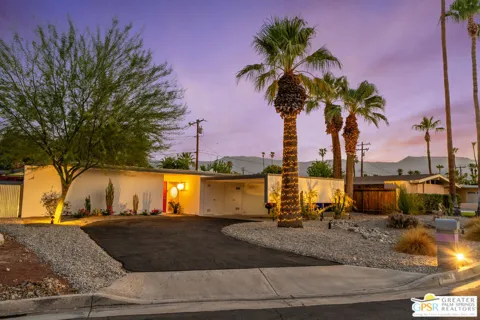
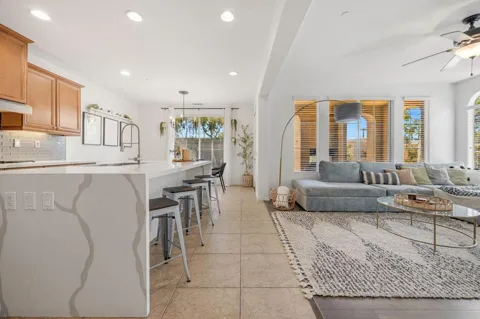
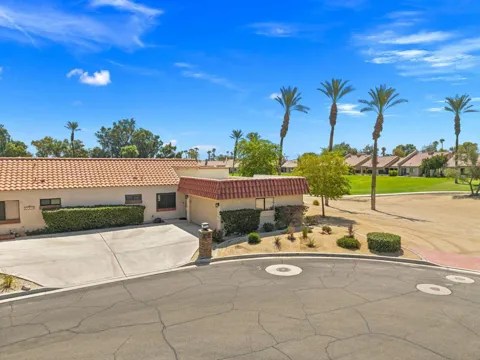
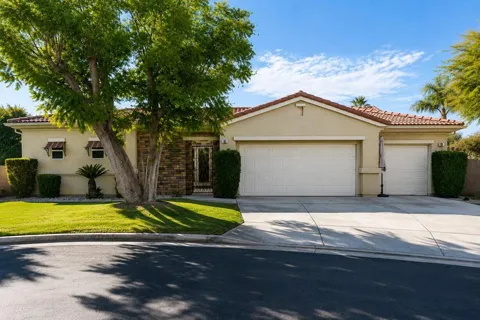
Palm Desert's housing market is defined by its golf and country club communities, which account for a large share of the city's residential stock. Gated and semi-gated club neighborhoods offer single-family homes, villas, and condominiums arranged around fairways, lakes, and mountain views, many built from the 1970s onward as the valley's resort economy matured. Beyond the clubs, the city includes a range of other housing—mid-century and contemporary single-family homes, patio homes, and a growing supply of condominiums and apartments, particularly in South Palm Desert near El Paseo. The setting, with views of the Santa Rosa Mountains and desert landscaping, is a consistent draw. The housing stock's emphasis on resort-style, low-maintenance living reflects the city's dual identity as both a seasonal retreat and an established full-time community.
South Palm Desert is one of the city's most distinctive areas, running along the base of the Santa Rosa Mountains and placing El Paseo within walking distance of many homes. This area includes some of the city's most established and sought-after streets, with deep views of the mountains. The city's many country club neighborhoods—such as The Lakes, Palm Valley, Desert Falls, and others—form their own self-contained communities organized around golf, tennis, and club amenities. North of Highway 111, the city extends toward the I-10 corridor with a broader mix of residential and commercial development. This structure, from the mountain-adjacent south side through the club communities to the more utilitarian northern edge, gives Palm Desert a varied residential geography with a strong resort orientation.
Palm Desert offers a resort-oriented lifestyle with a year-round, sun-drenched rhythm. El Paseo and The Gardens on El Paseo anchor the social scene with boutiques, galleries, and dining that draw residents and visitors alike, while events such as the Palm Desert Food & Wine festival add a cultural calendar. Golf and country club life is central for many residents, complemented by tennis, pickleball, swimming, and hiking in the nearby mountains. The Living Desert Zoo and Gardens and College of the Desert add cultural and educational depth. The city balances an upscale, amenity-rich atmosphere with the relaxed pace of the desert, attracting retirees, second-home owners, and families who value the climate and the region's active outdoor lifestyle.
Palm Desert is served by the Desert Sands Unified School District, which operates schools across the central and eastern Coachella Valley, including campuses in Palm Desert, Indian Wells, La Quinta, and Indio. The city's schools include elementary, middle, and high school options, and the district offers magnet and specialized programs. Palm Desert is also home to College of the Desert, a community college that serves the entire Coachella Valley with transfer pathways and career education. Because Desert Sands covers a large geographic area, families relocating to Palm Desert typically verify the specific schools assigned to an address. Private schools in the valley add further options for families.
Palm Desert sits along Highway 111, the Coachella Valley's principal local corridor, which connects the city east to Indian Wells and La Quinta and west toward Palm Springs. Interstate 10 runs along the valley's northern edge, providing freeway access toward Los Angeles to the west and Arizona to the east. Palm Springs International Airport, about 14 miles west, is the region's primary air gateway, served by commercial flights and reachable in roughly 20 minutes. SunLine Transit Agency operates bus service across the valley, including routes through Palm Desert, though most residents rely on personal vehicles. The city's flat, gridded street network and proximity to major corridors make local and regional travel straightforward.
Recreation in Palm Desert revolves around golf, the outdoors, and the resort amenities of the Coachella Valley. The city and its surroundings are home to a dense collection of golf and country clubs offering fairway living, tennis, pickleball, and fitness facilities. The Living Desert Zoo and Gardens provides a major cultural and conservation attraction, with botanical gardens, animal exhibits, and trails. The Santa Rosa Mountains rise directly south of the city, with hiking opportunities and dramatic desert scenery, while the broader valley offers additional trails, parks, and seasonal events. Warm, dry weather supports outdoor recreation through most of the year, making Palm Desert a hub for active, resort-style living.
MARKET SNAPSHOT
How homes have been selling here over the last 90 days.
Market data reflects closed sales over the last 90 days and is provided for informational purposes.
BROWSE BY ZIP
Browse listings by postal code in this area.