Tri-Valley Wine Country City
Welcome to Livermore, the eastern gateway to the Bay Area's Tri-Valley, where one of California's oldest wine regions meets a vibrant downtown and Lawrence Livermore National Laboratory.
Livermore is the easternmost city in Alameda County, California, and the largest community in the Tri-Valley region that also includes Dublin, Pleasanton, and San Ramon. Set in the broad Livermore Valley, the city marks the transition from the densely developed Bay Area to the rolling hills and ranchland that open toward the Altamont Pass and the Central Valley. With a 2020 population of about 88,000, Livermore has grown from a mid-19th-century railroad and ranching town into a regional center for science, wine, and suburban living. Two institutions have long defined Livermore's character. The first is agriculture: the Livermore Valley is one of California's oldest wine-producing regions, with a viticultural history tracing to the 1800s and more than fifty wineries operating today, including historic names such as Wente and Concannon. The second is Lawrence Livermore National Laboratory, a Department of Energy research facility established in 1952 that remains a major scientific and economic anchor, drawing physicists, engineers, and technical professionals to the area. Between those poles sits a lively downtown built around First Street, where restored buildings house restaurants, tasting rooms, shops, and a performing arts center. Residential neighborhoods extend outward in a mix of established mid-century tracts, newer subdivisions, and, toward the surrounding hills, larger custom homes and ranch-style properties. Schools are operated by the Livermore Valley Joint Unified School District. Commuters reach the wider Bay Area and Central Valley via Interstate 580, the Altamont Commuter Express rail line, and the nearby Dublin/Pleasanton BART station, while Del Valle Regional Park and the regional wine trail provide recreation close to home. The result is a community that blends small-town downtown life, scientific and viticultural identity, and practical access to the rest of the Bay Area.
Livermore is in Alameda County, California, at the eastern edge of the San Francisco Bay Area. It is the largest city in the Tri-Valley region, which also includes Dublin, Pleasanton, and San Ramon.
Yes. Livermore is the easternmost city in the Bay Area's Tri-Valley subregion, about 45 miles east of San Francisco. It is connected to the rest of the region by Interstate 580, the Altamont Commuter Express, and the nearby Dublin/Pleasanton BART station.


Livermore is known for two things: the Livermore Valley, one of California's oldest wine regions with more than 50 wineries, and Lawrence Livermore National Laboratory, a major Department of Energy research facility and regional employer.
The Livermore Valley Joint Unified School District serves the city, operating its public elementary, middle, and high schools. Las Positas College, a community college, also offers higher-education options within Livermore.
Livermore is roughly 45 miles east of San Francisco. By car, the typical route follows Interstate 580; the Altamont Commuter Express rail line and the Dublin/Pleasanton BART station offer transit alternatives for regional commuting.
Del Valle Regional Park, about ten miles south of downtown, features a five-mile lake for swimming, boating, and fishing plus thousands of acres for hiking, camping, and horseback riding. Sycamore Grove Park and the Livermore Valley wine trail add more trails and outdoor options.
City Guide
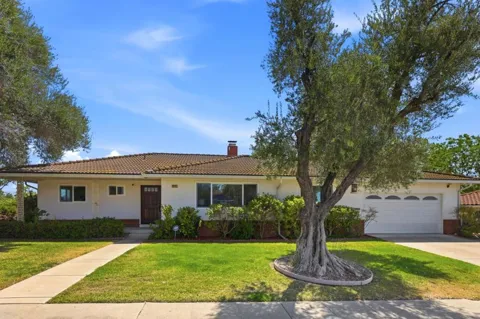
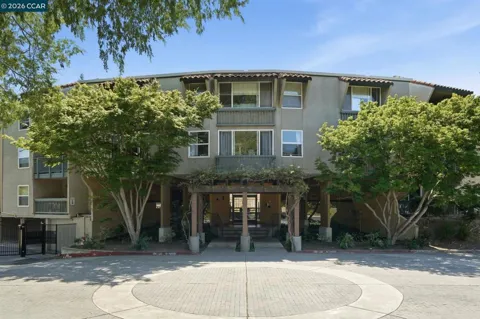
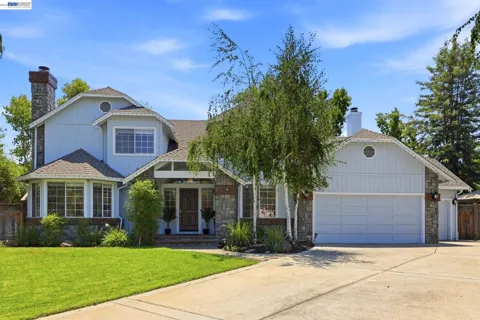
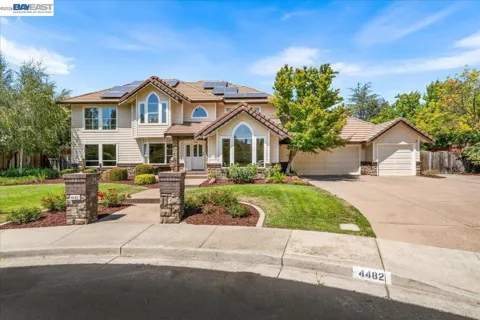
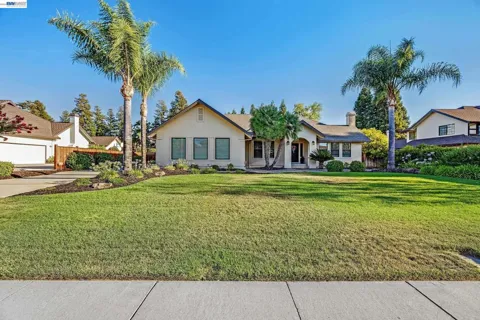
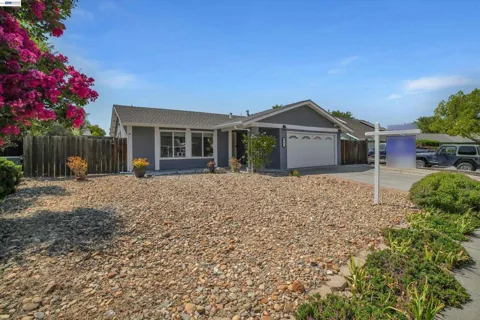
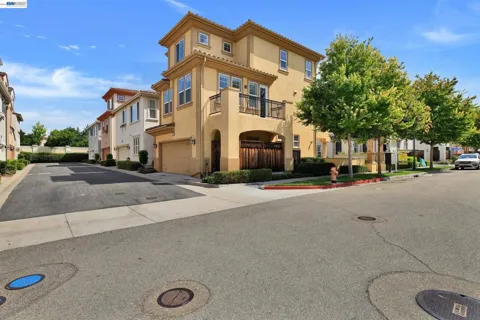
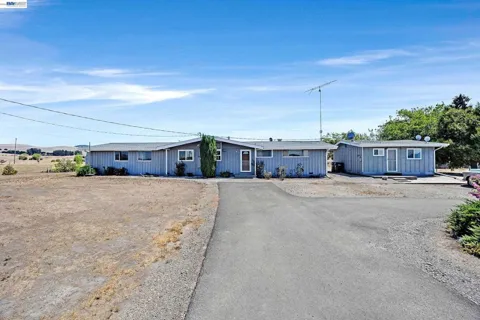
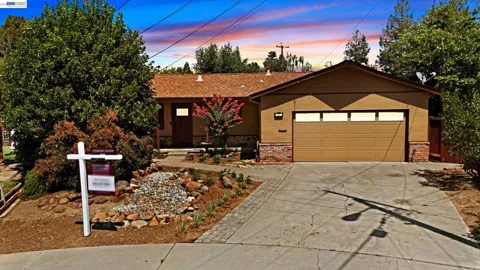
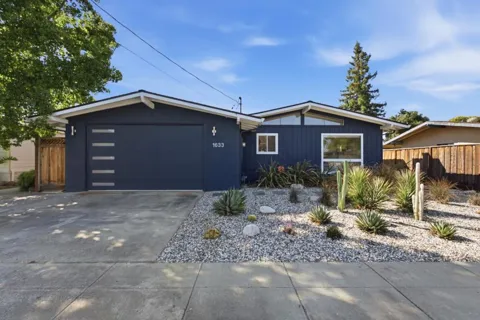
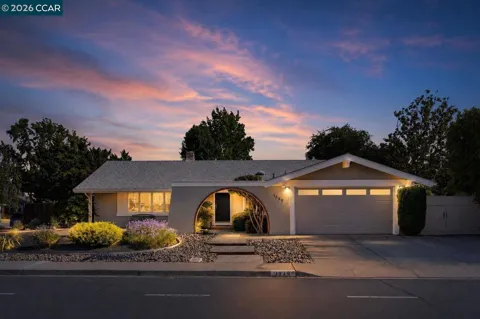
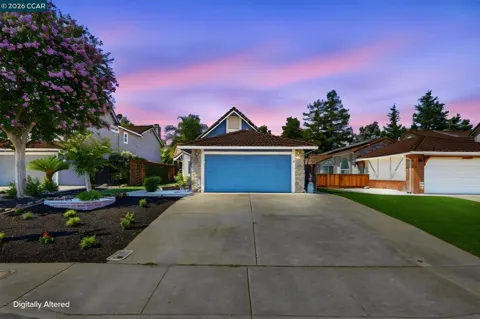
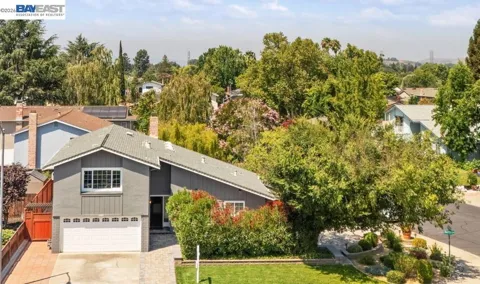
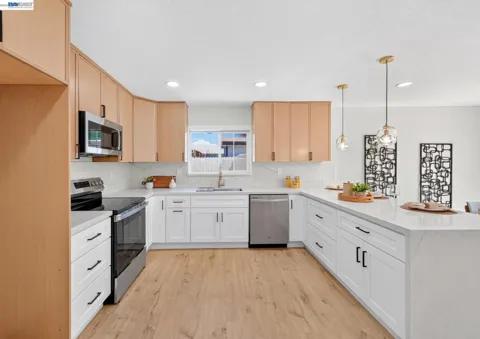
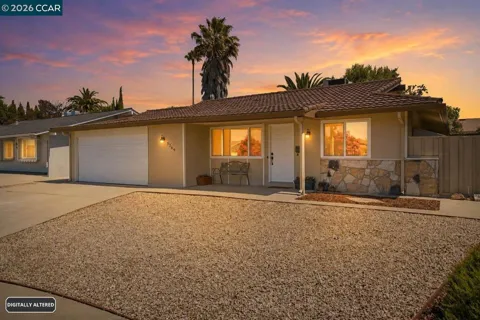
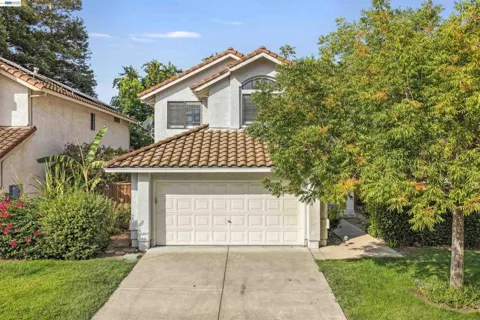
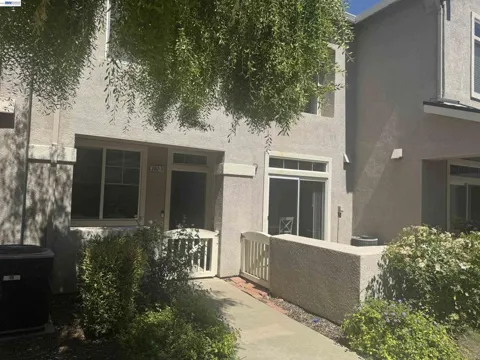
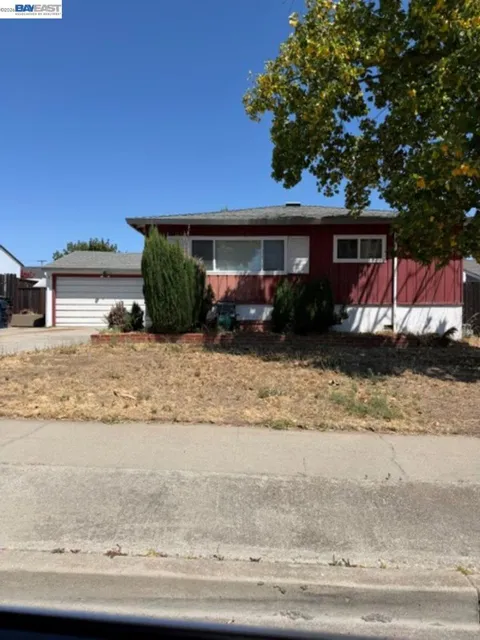
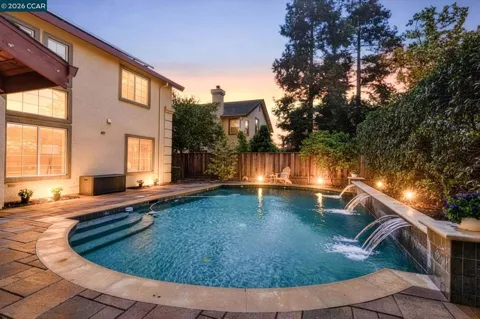
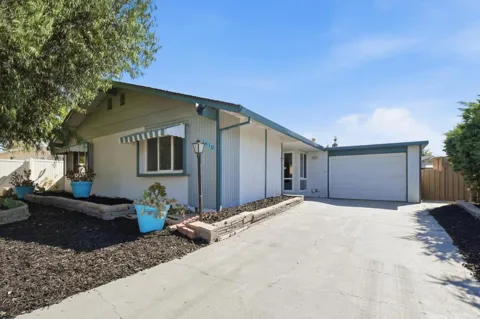
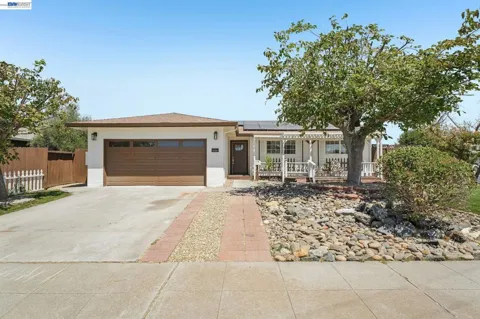
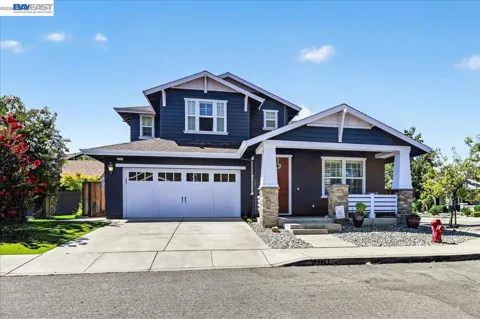
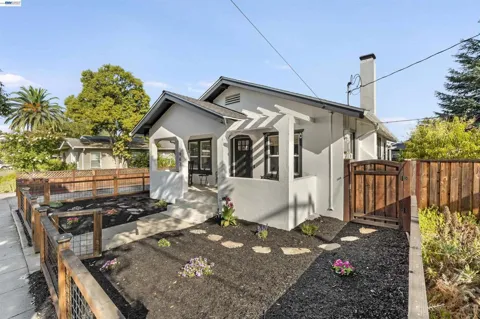
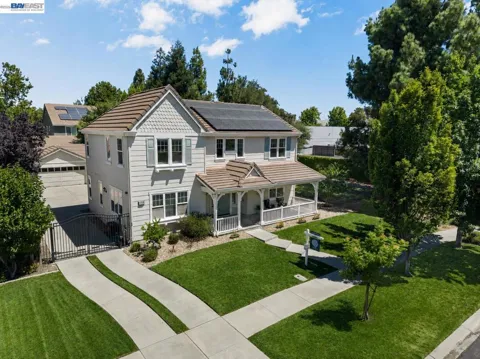
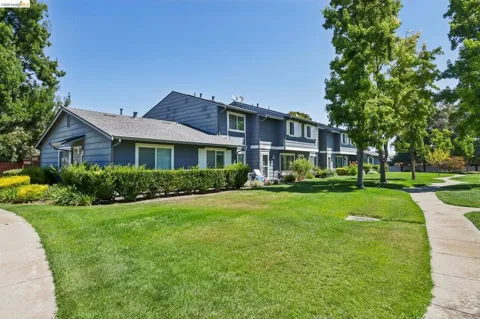
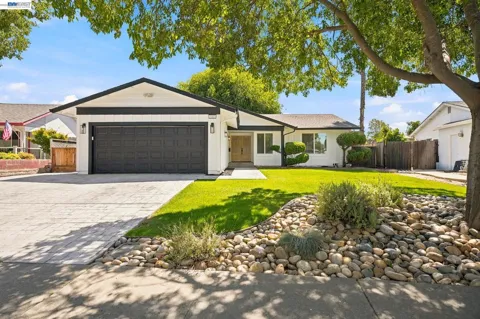
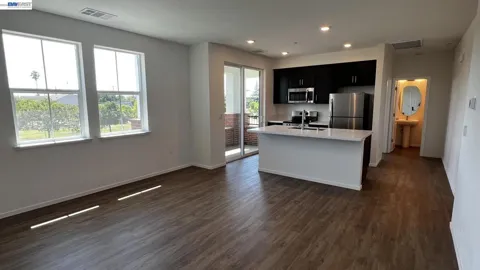
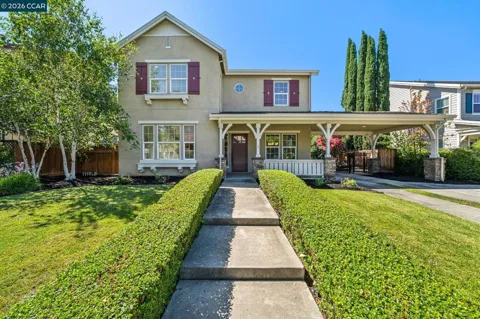
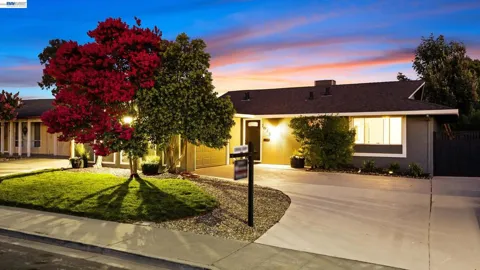
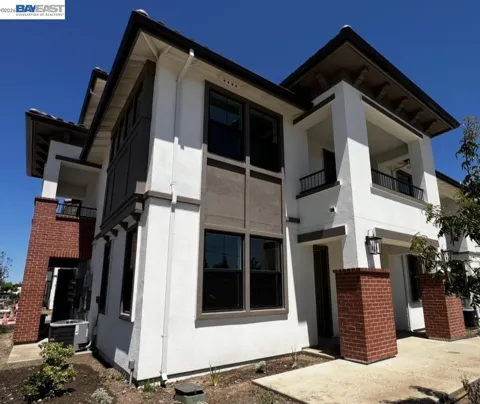
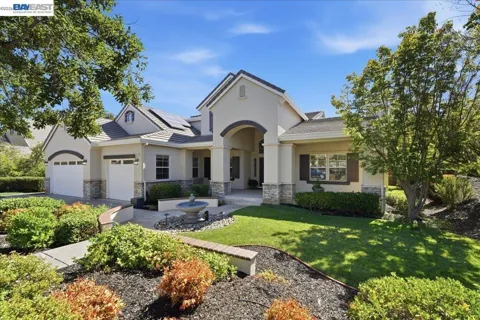
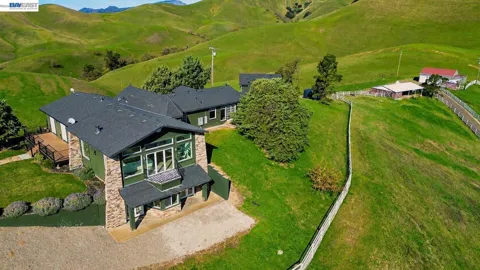
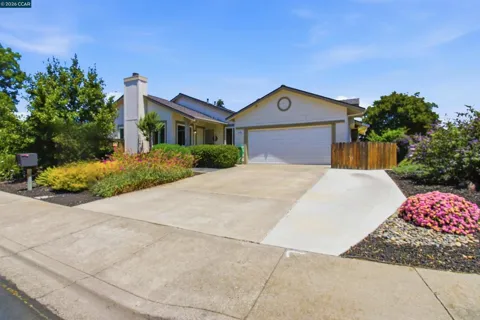
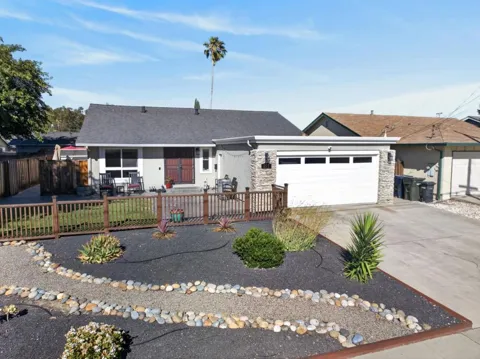
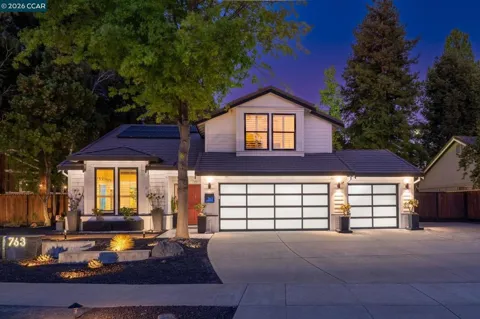
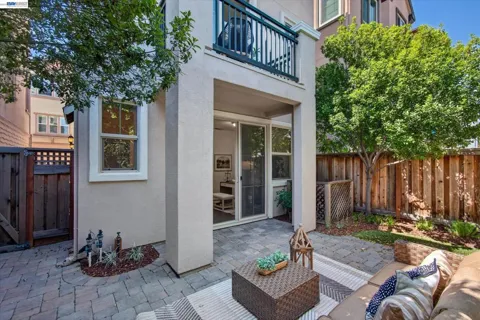
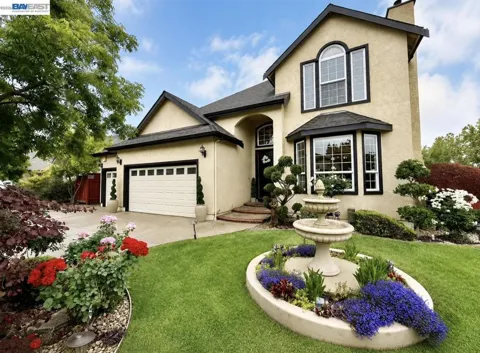
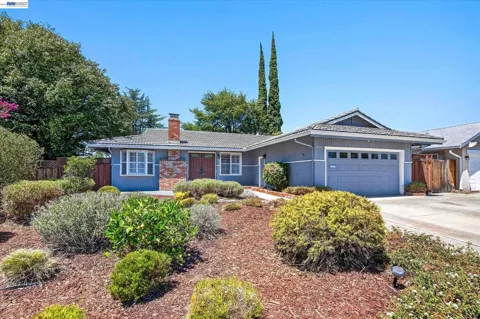
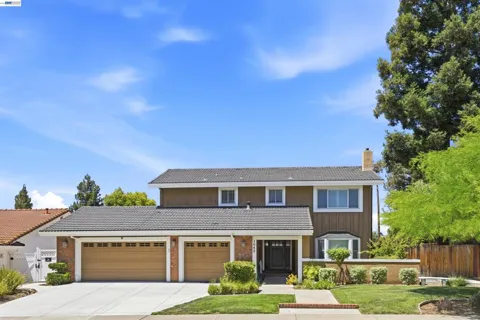
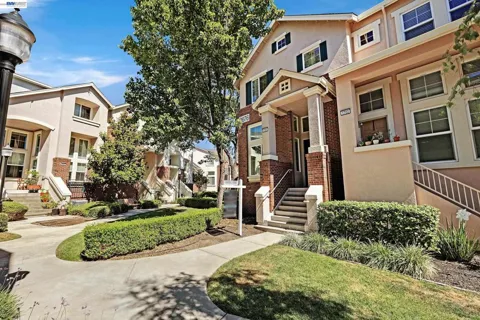
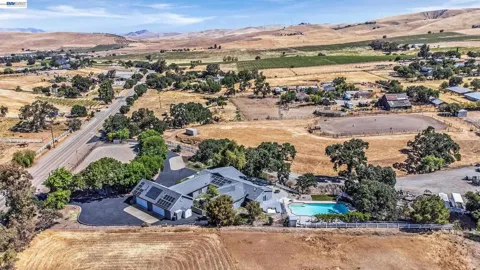
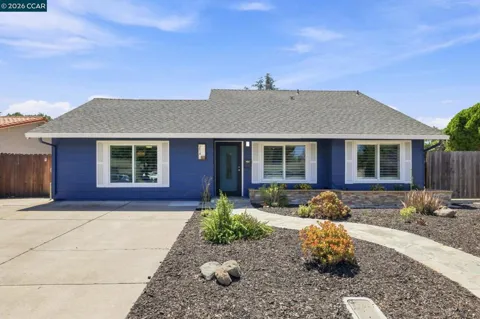
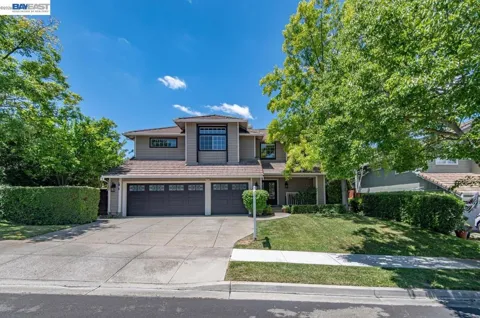
Livermore's housing stock is a study in contrast. Near downtown, streets hold a mix of early- and mid-20th-century bungalows, cottages, and craftsman-era homes, giving way to large post-war suburban tracts and, further out, newer planned neighborhoods with contemporary single-family homes. On the city's edges, particularly toward the south and east, the landscape opens into vineyard, hillside, and ranchland settings where custom homes and estate properties on larger lots are common. Well-known enclaves such as Ruby Hill and Stratford Park offer golf-course and planned-community living. The market is predominantly single-family detached housing, supplemented by townhomes and apartments concentrated near downtown and major corridors, reflecting Livermore's role as both a long-established city and a growing Tri-Valley hub.
Downtown Livermore anchors the city with walkable older blocks and historic homes around First Street. Springtown, on the city's east side, is a well-established neighborhood with a broad range of single-family homes and townhomes. South and west of the center, neighborhoods built from the mid-century onward offer quiet, tree-lined streets and cul-de-sacs popular with families. Ruby Hill, a gated golf-course community in the southern part of the city, features larger estate homes and vineyard views, while areas near the Dublin and Pleasanton borders benefit from proximity to regional shopping and the BART station. The city's northern and eastern edges retain a semi-rural, ranchette character, appealing to buyers seeking more space.
Livermore pairs an active wine-country scene with a genuine downtown. First Street and its side streets are lined with tasting rooms, independent restaurants, coffee shops, and boutiques, and the Bankhead Theater brings concerts and performing arts to the city center. The Livermore Valley's wineries—from historic estates to small producers—anchor a robust wine culture, with tasting rooms along rural vineyard roads minutes from town. Community farmers markets and seasonal festivals keep the town feeling connected despite its size. Combined with its scientific workforce and Tri-Valley location, Livermore offers a lifestyle that balances cultural amenities, outdoor recreation, and everyday suburban convenience.
Livermore is served by the Livermore Valley Joint Unified School District (LVJUSD), which operates the city's public elementary, middle, and high schools, including Granada and Livermore High Schools. The district also offers magnet and specialty programs, such as a STEAM academy, and supports a range of extracurricular activities. Las Positas College, part of the Chabot-Las Positas Community College District, provides higher-education and career-training options within the city. For families, the quality and breadth of local schools, along with access to private options and the broader Tri-Valley education network, are central considerations when relocating to Livermore.
Interstate 580 runs through Livermore and is the city's primary freeway, linking it west to Dublin, Pleasanton, Oakland, and San Francisco and east over the Altamont Pass to the Central Valley and Interstate 5. The Altamont Commuter Express (ACE) rail line stops in Livermore, providing commuter service toward San Jose, with service to Stockton in the opposite direction. The nearest BART station is at Dublin/Pleasanton, a short drive west, and a BART extension into Livermore has been planned along the I-580 corridor. Livermore Municipal Airport serves general aviation. Commute patterns split between Bay Area-bound professionals, laboratory employees, and Central Valley residents traveling into the Tri-Valley.
Del Valle Regional Park, about ten miles south of downtown, is Livermore's outdoor centerpiece: a roughly five-mile reservoir surrounded by more than 4,000 acres of land for swimming, boating, fishing, hiking, horseback riding, and camping. Sycamore Grove Park and other regional and city parks add trail systems, playgrounds, and open space across the valley. The Livermore Valley wine trail turns recreation into a scenic drive among vineyards and tasting rooms. Cyclists and runners use the city's network of paths and nearby regional trails, while the surrounding hills and the open Altamont landscape provide additional hiking and wildlife-viewing opportunities.
MARKET SNAPSHOT
How homes have been selling here over the last 90 days.
Market data reflects closed sales over the last 90 days and is provided for informational purposes.
BROWSE BY ZIP
Browse listings by postal code in this area.