Mendocino Coast Harbor City
Welcome to Fort Bragg, a Mendocino Coast city built on redwood lumber, now known for Glass Beach, the Skunk Train, and its working Noyo Harbor.
Fort Bragg is a city in Mendocino County, California, on the state's North Coast along Highway 1. The community grew up around the redwood timber industry in the late nineteenth century, when the Union Lumber Company and the Fort Bragg Railroad turned the town into a major lumber port. Incorporated in 1889, Fort Bragg prospered as the mills shipped redwood throughout the state, and the city's fortunes remained tied to timber for more than a century. The 1906 San Francisco earthquake brought a burst of prosperity when the mills supplied lumber for the rebuilding of the Bay Area, and the downtown was itself rebuilt after the quake and fire. With a population of roughly 7,000, Fort Bragg is now the Mendocino Coast's largest town and its commercial center. The fishing industry at Noyo Harbor and a growing tourism economy have largely replaced the closed lumber mills, and the city's attractions — Glass Beach, the Mendocino Coast Botanical Gardens, and the Skunk Train, a historic logging railroad that now carries sightseers through the redwoods — draw steady visitation. A large bluff-top former mill site remains the focus of long-range planning for the city's future. Fort Bragg appeals to people seeking authentic coastal living with the services of a real town. Its working harbor, schools, hospital, and shops give it a year-round community that the nearby villages lack, while the redwood forests, headlands, and beaches of the Mendocino Coast surround it on every side. The result is a distinctive place: part fishing town, part tourist destination, and one of California's most characterful small cities.
Fort Bragg is a city in Mendocino County, California, on the state's North Coast. It lies along Highway 1 roughly 150 miles north of San Francisco and about ten miles north of the village of Mendocino.
Fort Bragg is known for its redwood lumber history and its coastal attractions, including Glass Beach, a shoreline covered in sea glass, the Mendocino Coast Botanical Gardens, and Noyo Harbor, an active fishing port. The Skunk Train, a historic logging railroad, also departs from the city.
Fort Bragg is served by the Fort Bragg Unified School District, which operates seven schools and educates about 1,700 students in the city and the surrounding Mendocino Coast area. The district is accountable to local voters and the California Department of Education.
Fort Bragg is about 150 miles north of San Francisco along Highway 1 and other coastal routes. The drive takes roughly three to four hours depending on the route and conditions, with the coast road offering the most scenic journey.
Glass Beach is a Fort Bragg shoreline famous for its abundance of smooth, colorful sea glass, formed from decades of discarded glass that was tumbled and polished by the ocean. It is now a protected area and a popular spot for viewing the glass rather than collecting it.
City Guide
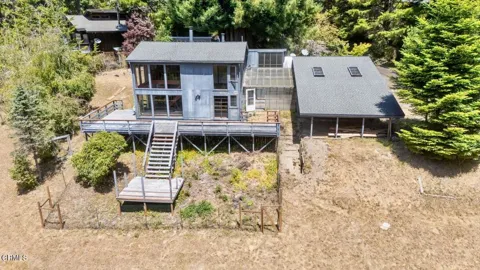
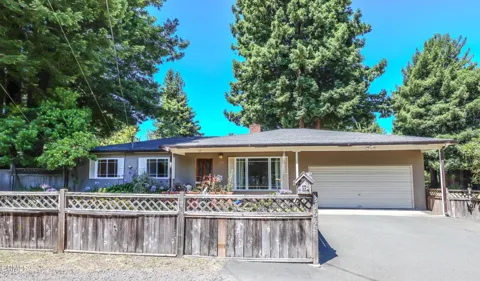
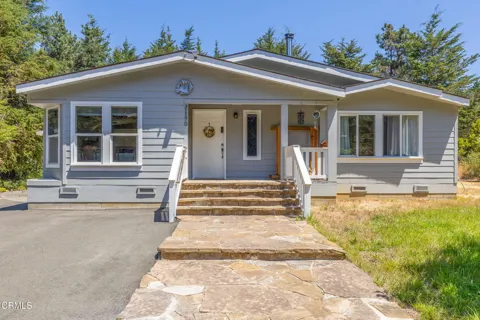
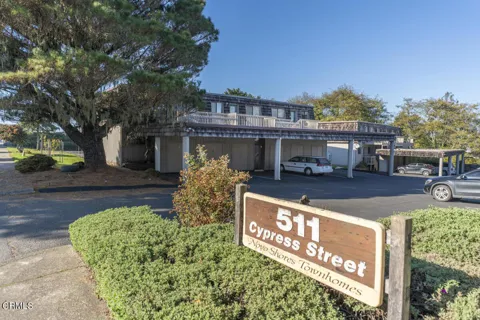
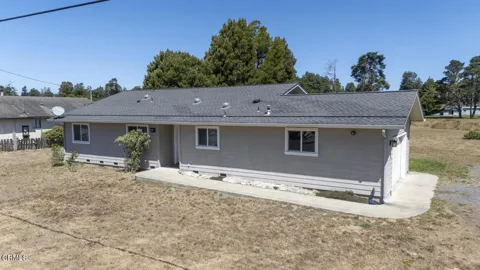
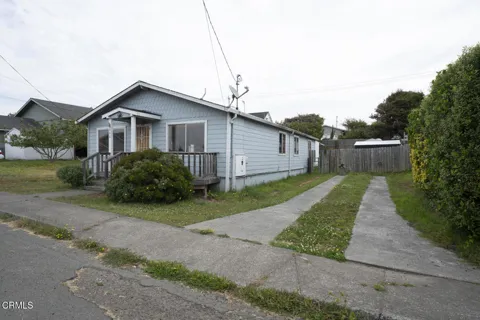
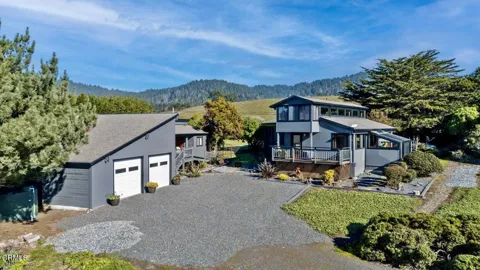
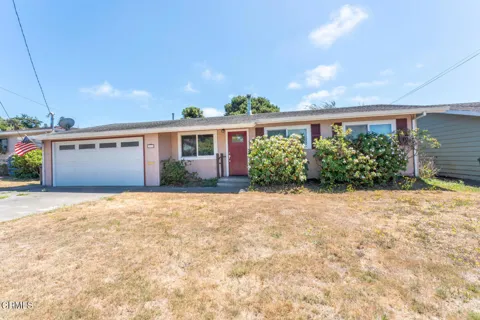
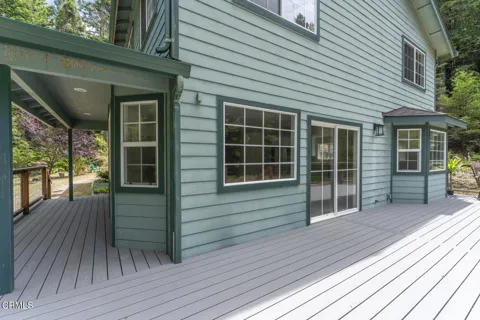
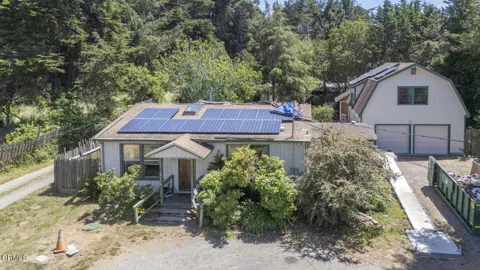
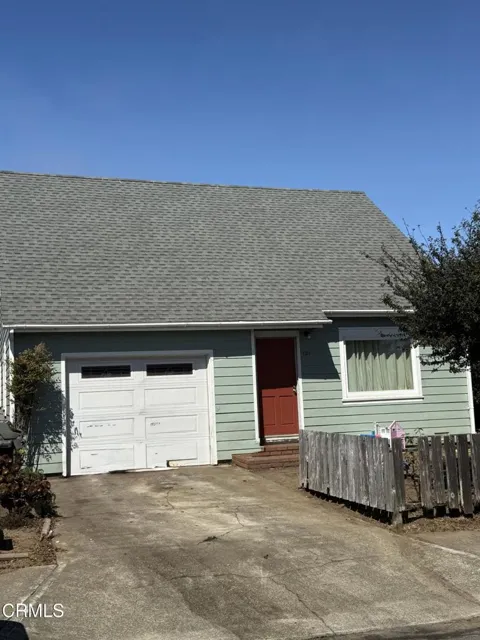
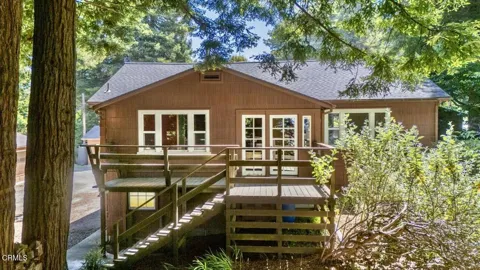
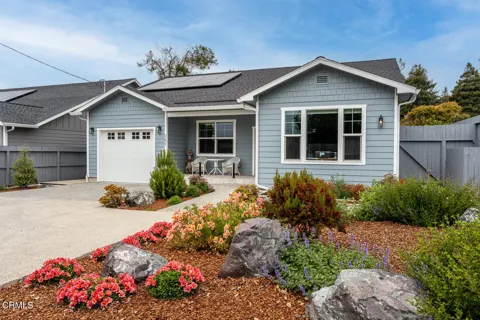
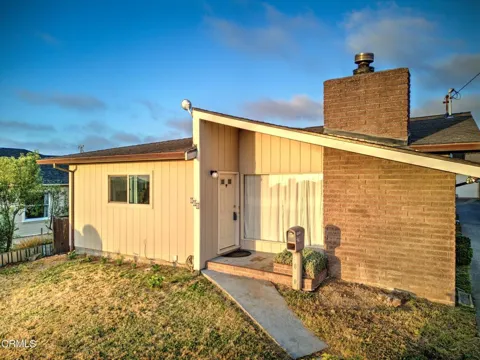
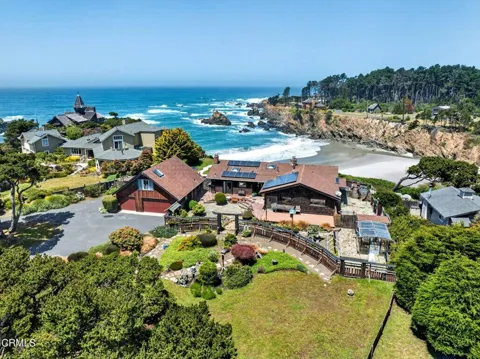
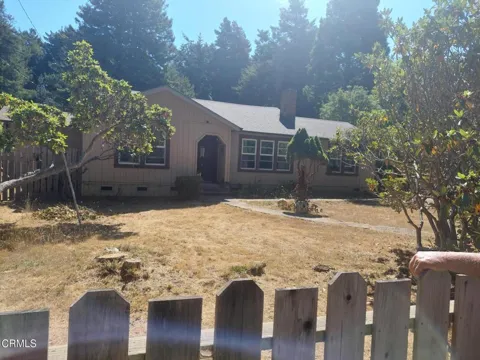
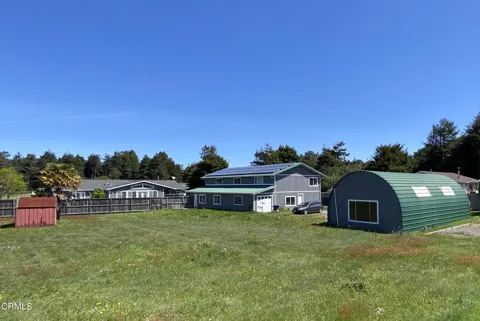
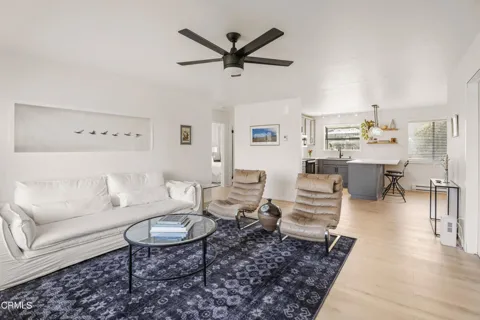
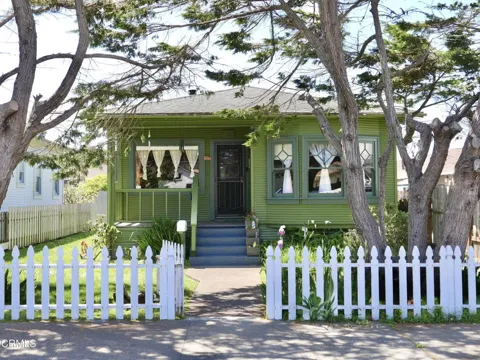
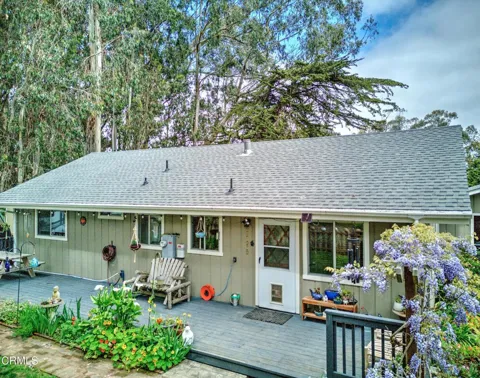
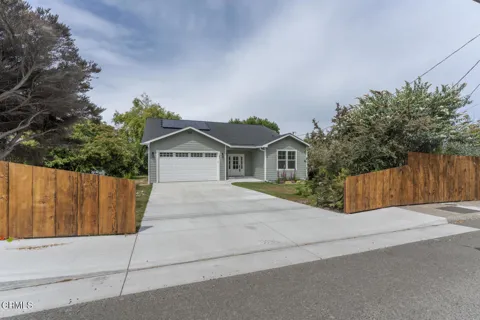
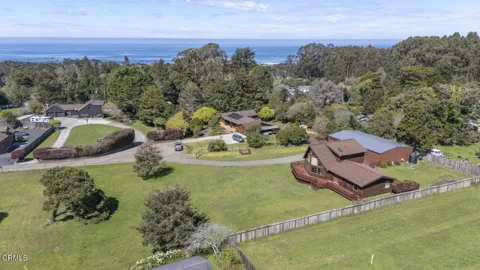
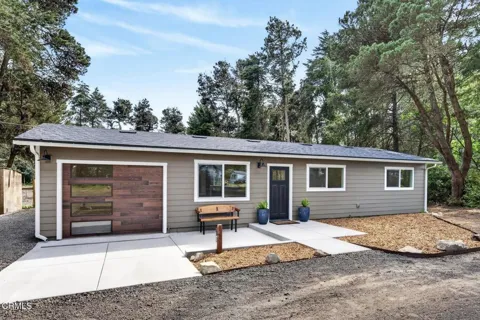
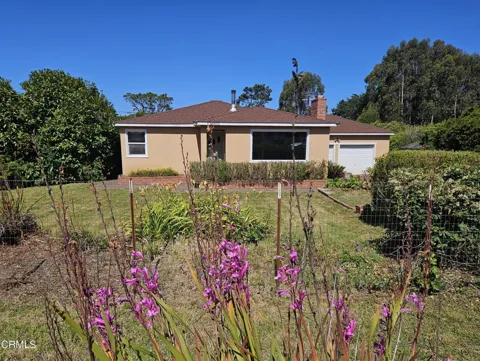
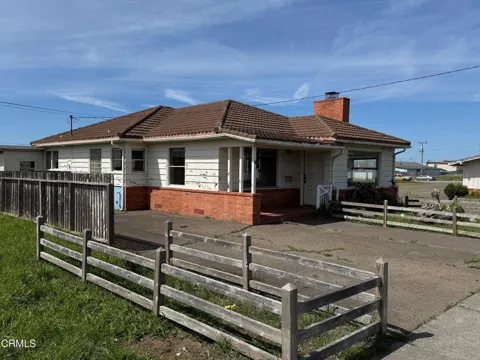
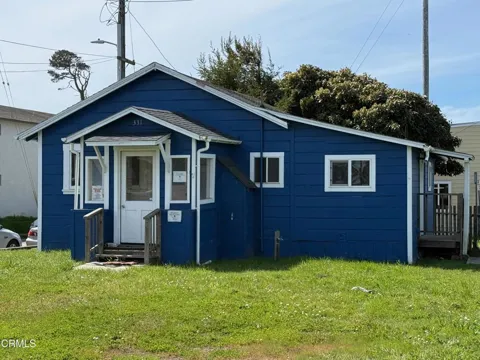
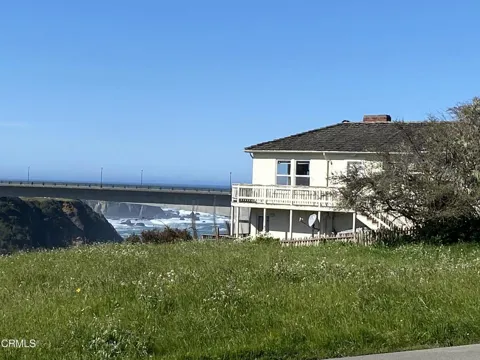
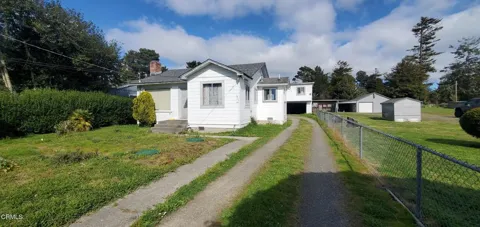
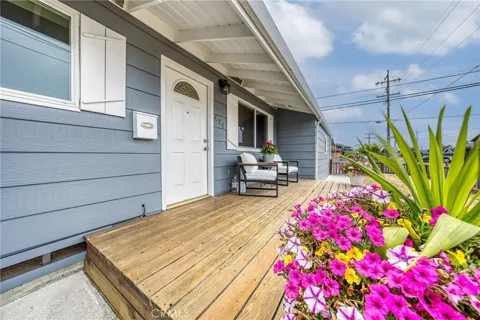
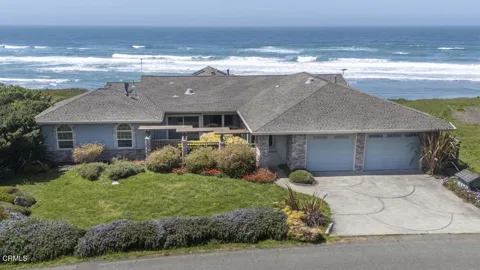
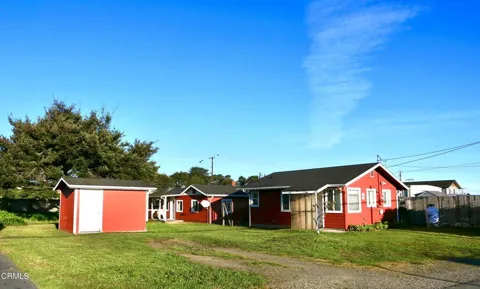
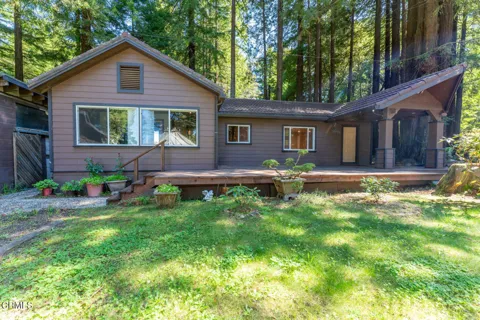
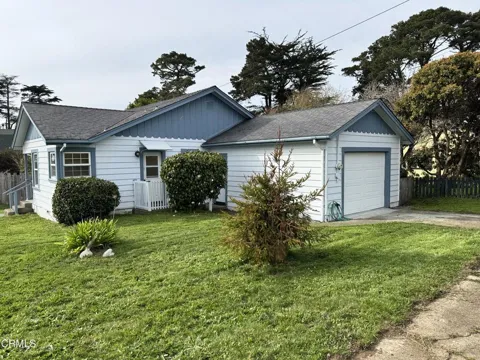
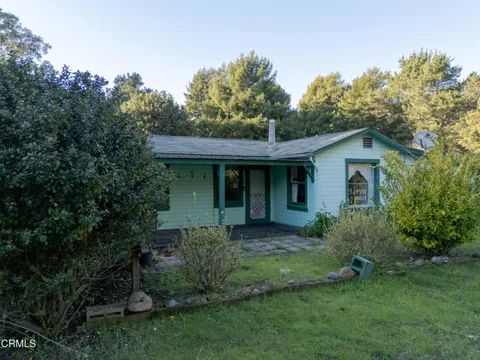
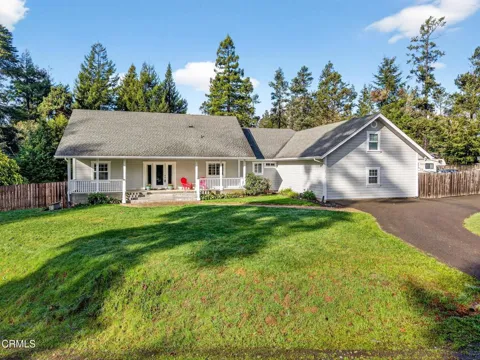
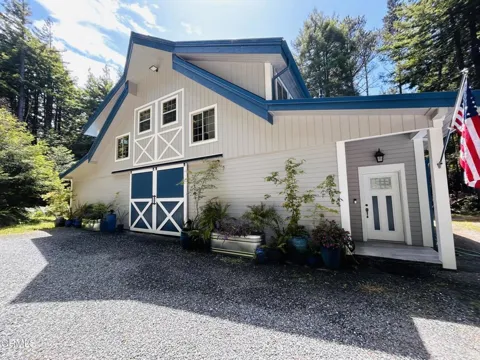
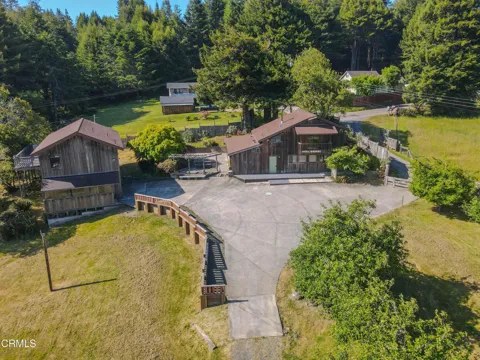
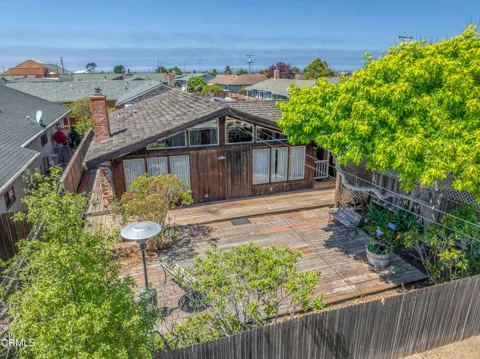
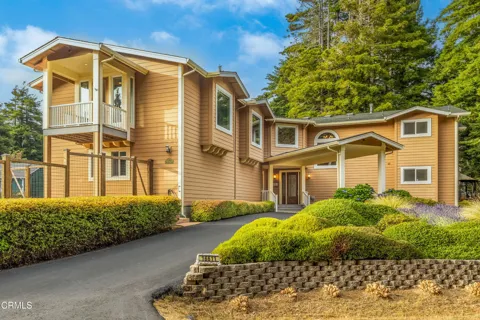
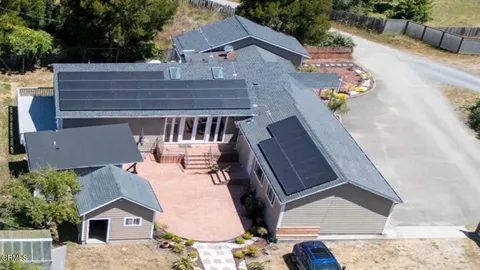
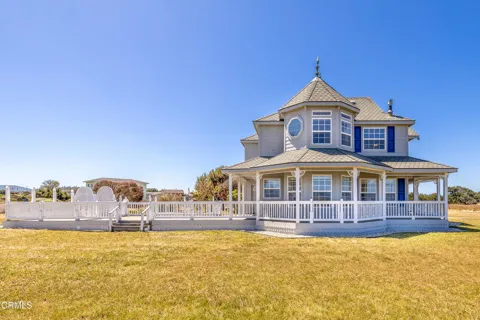
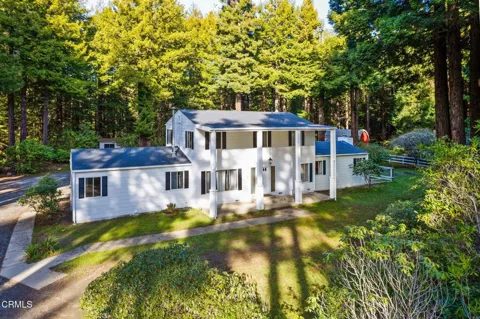
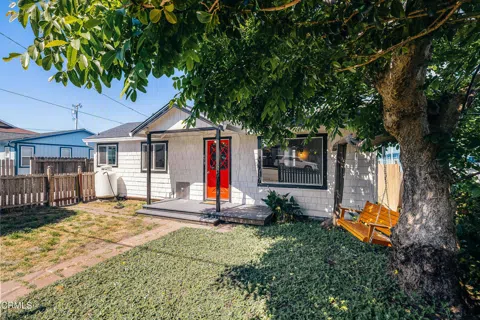
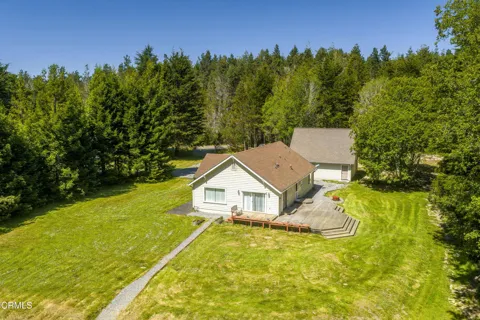
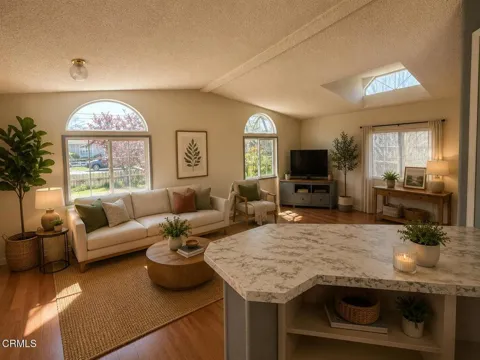
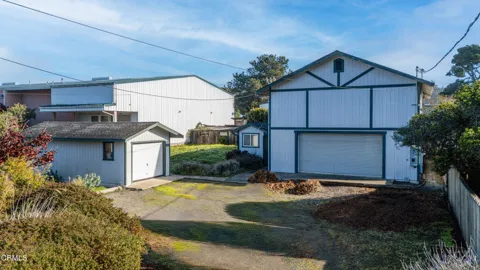
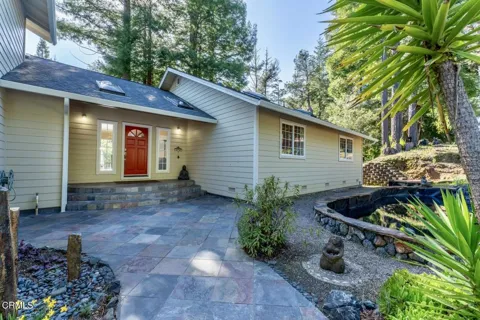
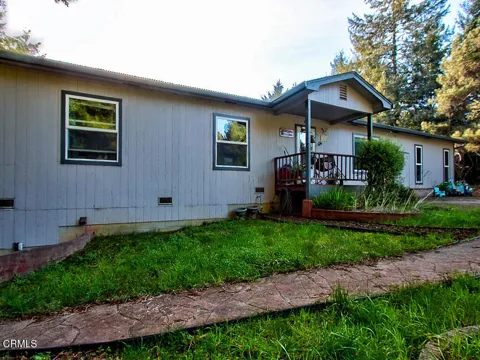
Fort Bragg's housing stock reflects more than a century of mill-town growth. The city holds historic Victorian and early-twentieth-century homes, including the 1886 Weller House and other lumber-era residences, alongside modest mill-worker cottages, mid-century ranch homes, and newer construction. Neighborhoods sit between Highway 1 and the ocean, with many homes within easy reach of the bluffs and shoreline. The closure of the Georgia-Pacific mill left a large bluff-top coastal parcel that has become the focus of long-term redevelopment planning, representing the city's most significant potential for new housing. Overall, Fort Bragg offers a varied, small-city housing market on the coast, generally more affordable than the nearby village of Mendocino.
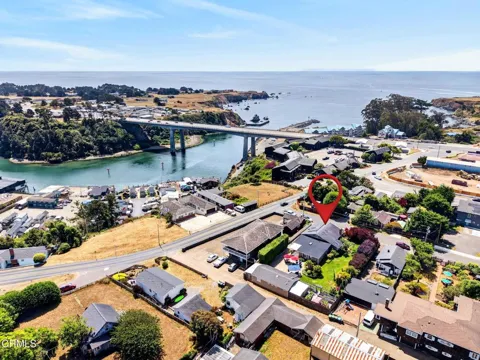
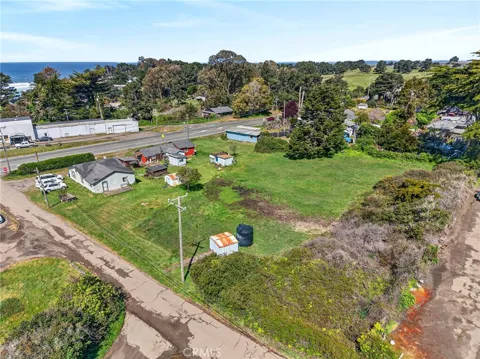
Fort Bragg is laid out between Highway 1 and the Pacific, with its historic downtown and Main Street near the center. The city's older neighborhoods cluster around the downtown and the former mill sites, where Victorian homes and early-twentieth-century cottages recall the lumber era. Noyo Harbor, at the city's southern end, is the working waterfront district of docks, fish houses, and waterfront businesses, distinct in character from the residential blocks above. Pudding Creek, which runs through town to the ocean, forms a natural corridor, and residential areas extend north and east into newer subdivisions. The former Georgia-Pacific mill site, a large bluff-top parcel west of Highway 1, separates the developed city from the coast and is central to the city's future development.
Fort Bragg offers the character of a working North Coast town that has grown into a coastal destination. The city pairs an active fishing and commercial harbor with tourism, dining, and a noted craft-brewing scene, including the long-established North Coast Brewing Company. Main Street holds shops, galleries, and restaurants, while the Skunk Train depot and the botanical gardens anchor the visitor experience. The pace is unhurried and community-centered, shaped by the fog, the redwoods, and the rhythm of the harbor. For residents, Fort Bragg combines the practicality of a real town — schools, a hospital, markets, and services — with the natural beauty and slower lifestyle of the Mendocino Coast, a mix that draws families, retirees, and artists alike.
Fort Bragg is served by the Fort Bragg Unified School District, which oversees public primary and secondary education for the city and the surrounding Mendocino Coast area. The district operates seven schools and educates roughly 1,700 students, including Dana Gray Elementary and Fort Bragg's middle and high schools. The district's smaller scale fosters a community-centered educational environment, and its campuses serve as focal points for local life. Families also have access to Mendocino College's satellite programs and the broader educational resources of the county, including its coastal and inland communities connected by the Mendocino Transit Authority.
Fort Bragg sits along Highway 1, the Pacific Coast Highway, which runs through the city and connects south to the village of Mendocino and the Anderson Valley and north along the Lost Coast region. Highway 20 links the city east across the Coast Range to Willits and the US 101 corridor, providing the principal inland route to Ukiah and the Bay Area. The Mendocino Transit Authority operates local and regional bus service, including routes through Fort Bragg and to inland communities. The city is roughly 150 miles north of San Francisco, a drive of several hours on the coast road. Daily life is car-dependent, though the compact town center and harbor are walkable.
Fort Bragg's recreation is anchored by the coast and the redwoods. Glass Beach, a shoreline famous for its smooth, colorful sea glass, is a signature attraction, while the headlands and bluffs offer ocean views and walking trails. The Mendocino Coast Botanical Gardens provide landscaped gardens that run down to the sea, and Noyo Harbor offers fishing charters, crabbing, and waterfront dining. The Skunk Train departs from Fort Bragg for excursions through the redwood forests along the historic California Western Railroad. Nearby MacKerricher State Park adds beaches, tide pools, and coastal trails. For residents, the ocean, the forest, and the harbor combine to make outdoor recreation an everyday part of life.
MARKET SNAPSHOT
How homes have been selling here over the last 90 days.
Market data reflects closed sales over the last 90 days and is provided for informational purposes.
BROWSE BY ZIP
Browse listings by postal code in this area.