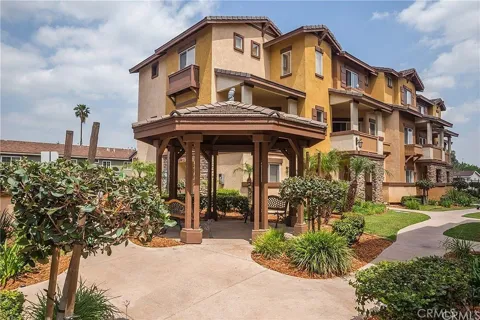
San Gabriel Valley Suburb
Welcome to Covina, a San Gabriel Valley city about 20 miles east of Los Angeles, known for its citrus-growing past, historic downtown, and Metrolink-connected suburban setting at the foot of the San Gabriel Mountains.
Covina is a city in Los Angeles County, California, set in the San Gabriel Valley about 20 miles east of downtown Los Angeles. It sits between the San Gabriel Mountains to the north and the rolling hills of the valley floor, framed by Interstates 10 and 210. The 2020 census counted 51,268 residents, and the city is a long-established part of the eastern San Gabriel Valley. Covina's roots are agricultural. By the 1890s the area was planted in orange and lemon groves, with packing houses and rail connections supporting a thriving citrus industry. By 1907 the town ranked among the world's largest shipping points for oranges, a distinction that defined Covina for decades. That identity changed dramatically after World War II, when the groves were largely replaced by housing; the city grew from about 5,500 residents in 1950 to more than 25,000 within six years, transforming Covina into the suburban bedroom community it is today. The city's centerpiece is its historic downtown, an authentic district along Citrus Avenue with buildings dating to the early 1900s, now lined with shops, restaurants, and entertainment venues within a compact, walkable core. Views of the San Gabriel Mountains frame much of the city, and the surrounding foothill communities extend the region's dining and shopping options. Covina's neighborhoods are largely mid-century and owner-occupied, giving the city a settled, family-oriented feel. Covina is served by two school districts—Covina-Valley Unified and Charter Oak Unified—and is well connected for commuters, with a Metrolink station on the San Bernardino Line in the heart of downtown. Its location between two major freeways places employment centers throughout the San Gabriel Valley and the greater Los Angeles region within reach. This combination of an established downtown, mid-century housing, mountain views, and rail access to Los Angeles and San Bernardino makes Covina a practical base for families and commuters across the eastern San Gabriel Valley.
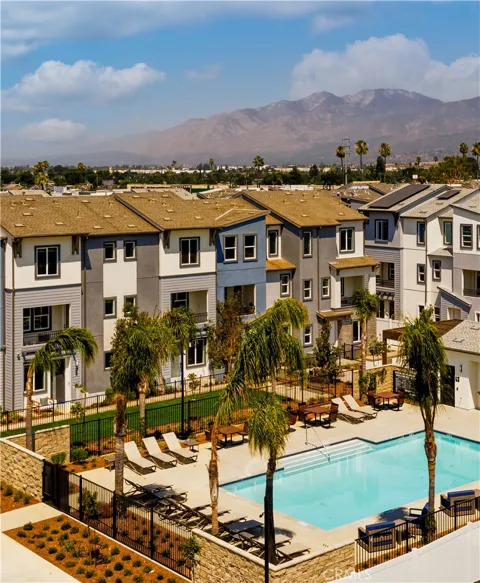
Covina is in Los Angeles County, California, in the San Gabriel Valley about 20 miles east of downtown Los Angeles. The city sits between Interstate 10 and Interstate 210, with the San Gabriel Mountains rising to the north.
Covina is known for its citrus-growing history—it was once among the world's largest orange shipping points—and for its historic downtown along Citrus Avenue with early-1900s buildings. After World War II, the orange groves were largely replaced by suburban housing.
Covina is served by two districts: Covina-Valley Unified School District, with 18 schools and roughly 11,000 students, and Charter Oak Unified School District, with 11 schools and about 4,500 students serving portions of the city. Families should confirm school boundaries by address.
Commuters use Interstate 10, Interstate 210, and the Metrolink San Bernardino Line, which stops at the downtown Covina station on Citrus Avenue and provides rail service to downtown Los Angeles and San Bernardino.
Covina offers a walkable historic downtown with shops, restaurants, and entertainment along Citrus Avenue, plus a network of neighborhood parks. The Angeles National Forest and San Gabriel Mountains trails are a short drive north, and the wider Los Angeles region is easily reached by freeway.
City Guide
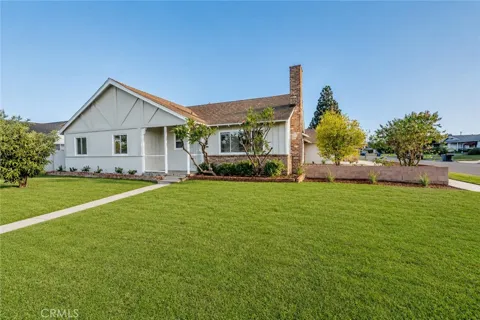
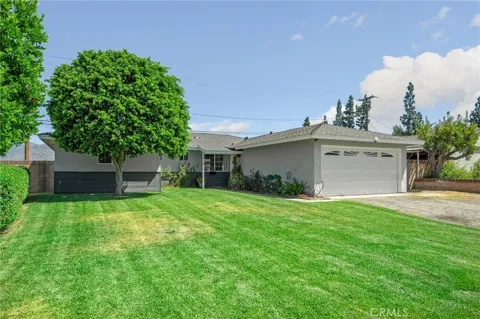
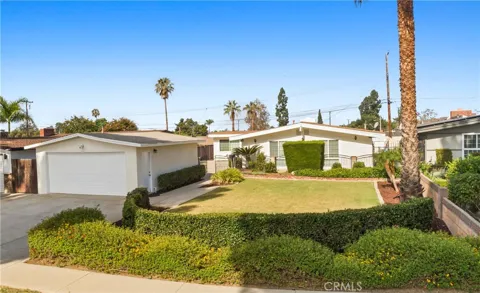
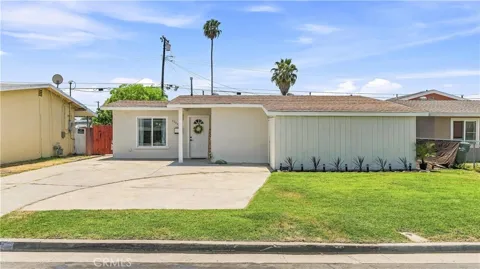
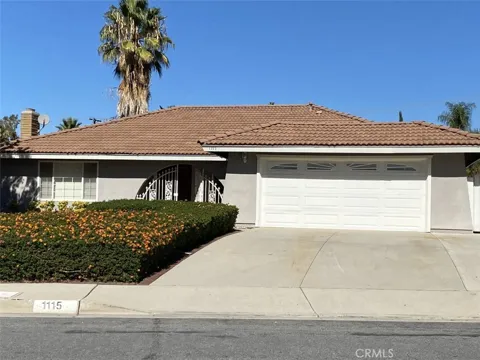
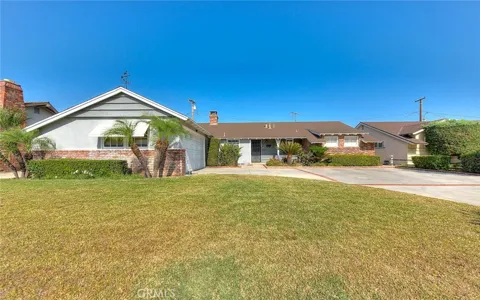
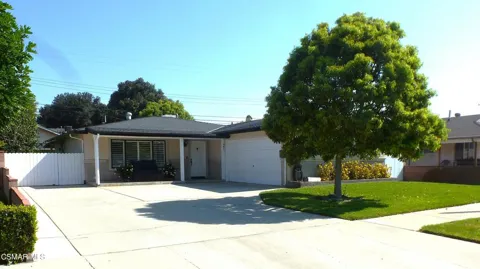
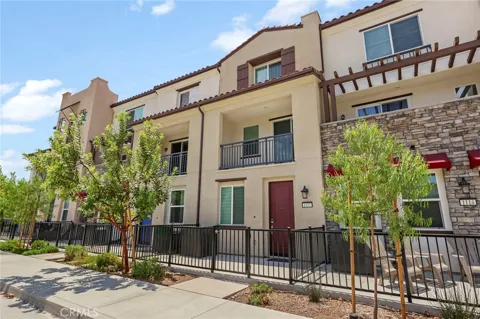
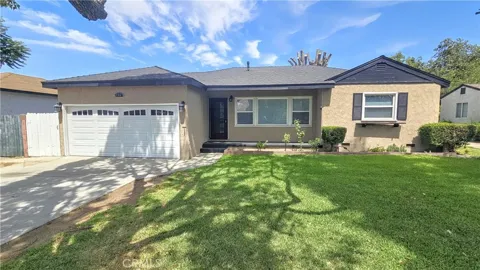
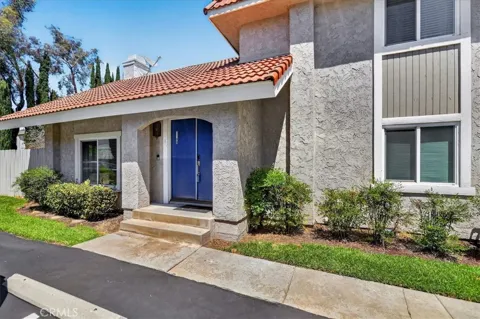
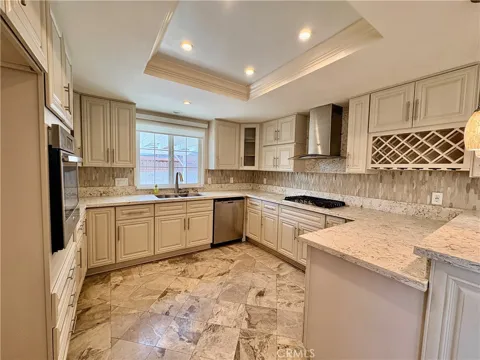
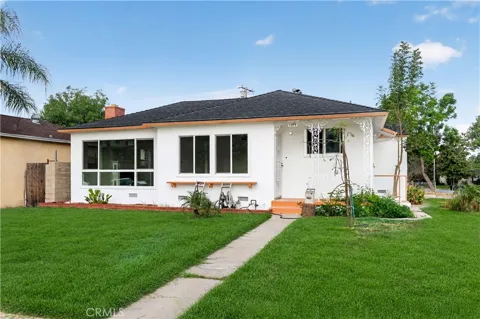
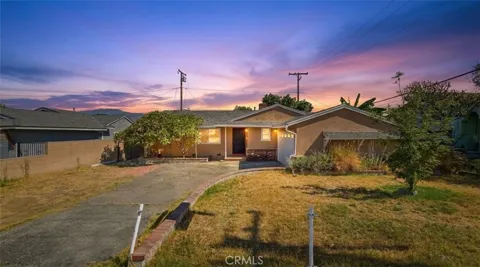
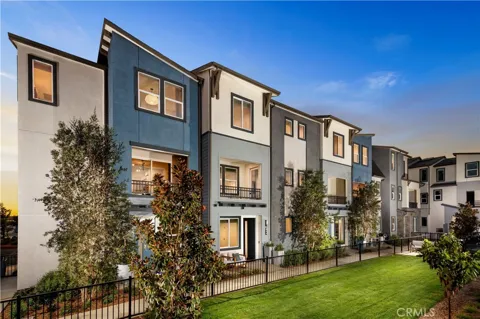
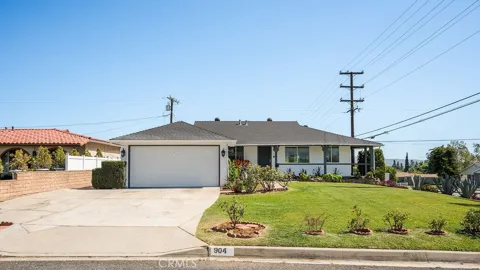
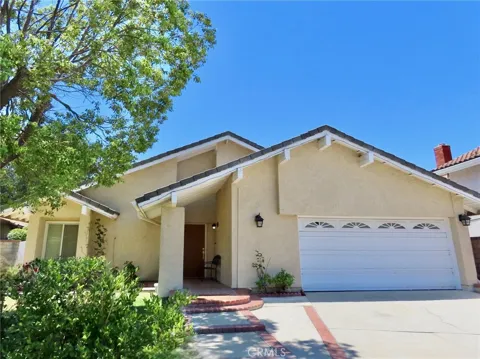
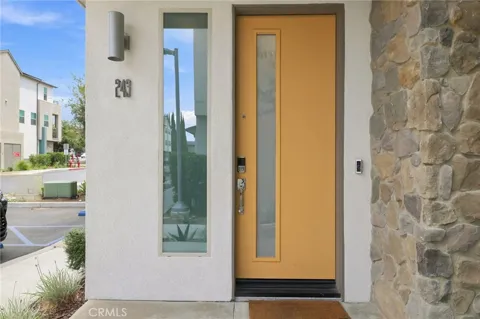
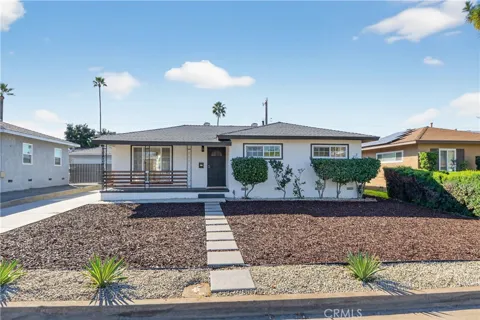
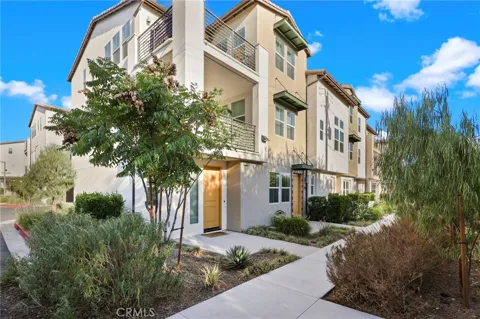
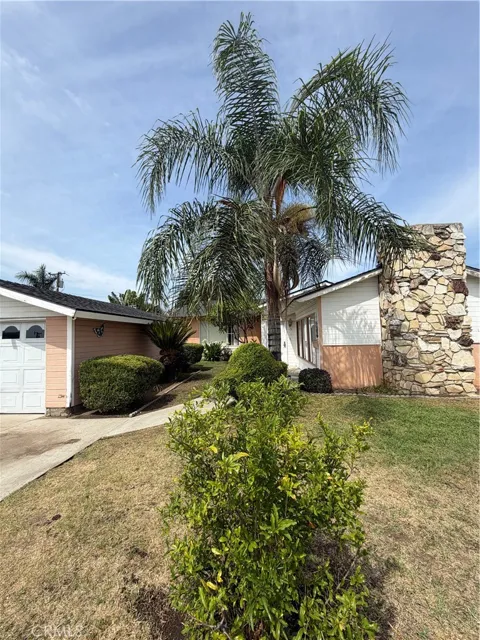
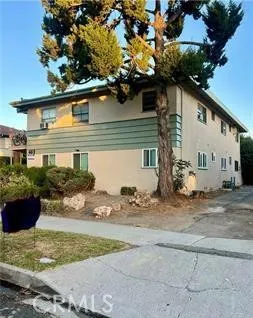
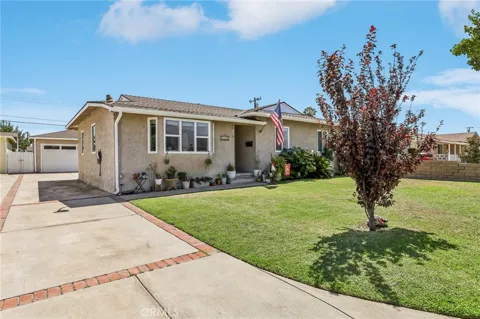
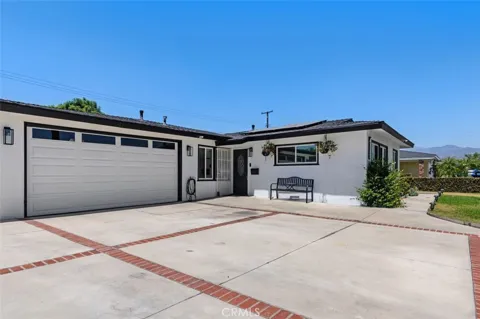
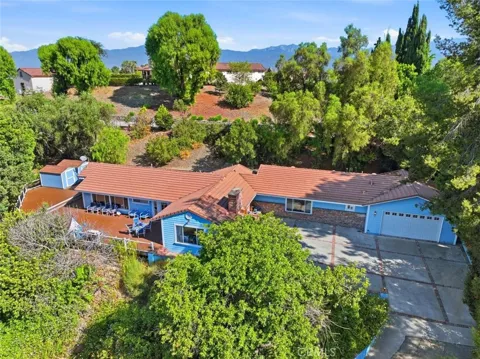
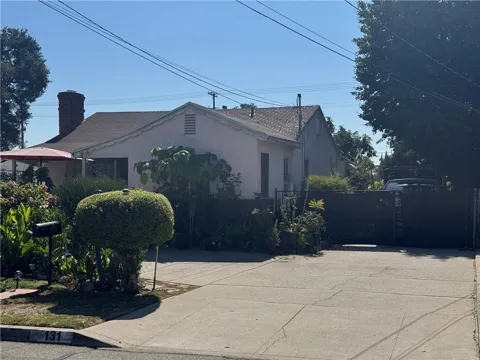
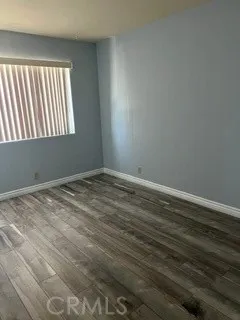
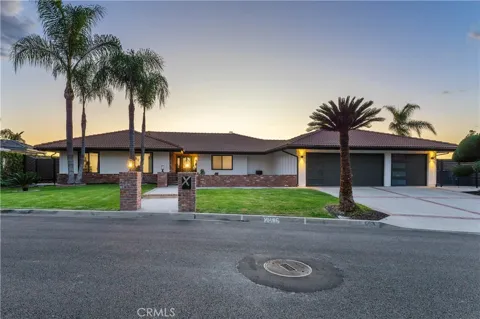
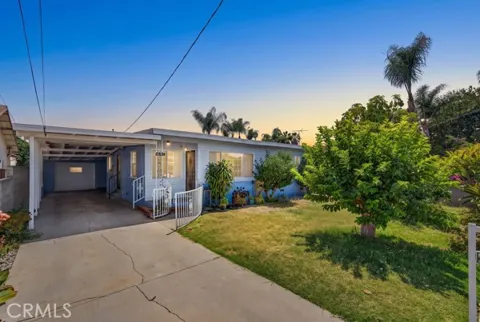
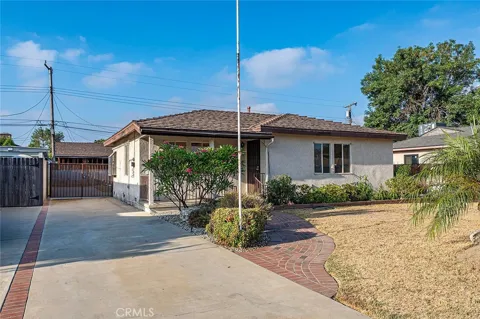
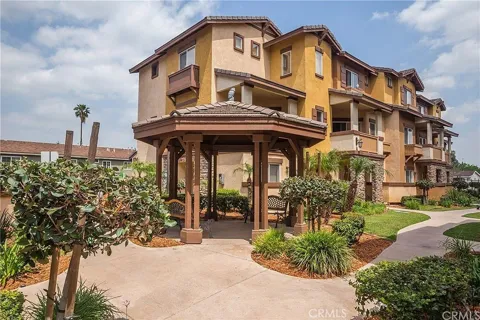
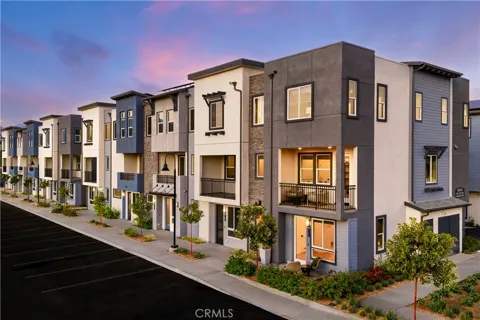
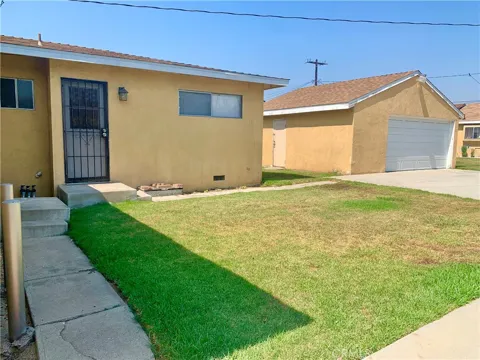
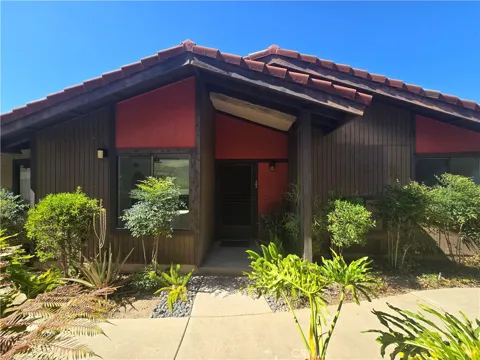
Covina's housing stock is dominated by mid-century single-family homes, the legacy of the post-World War II building boom that converted the area's citrus groves into residential neighborhoods. Ranch-style and traditional tract homes on established lots make up much of the city, with mature trees and tree-lined streets throughout. Older homes and some early-20th-century properties cluster nearer the historic downtown, while later subdivisions fill the city's eastern and hillside edges. The housing is predominantly owner-occupied and family-oriented, giving Covina the feel of a long-settled Los Angeles suburb rather than a new development community.
Covina's neighborhoods radiate from the historic downtown along Citrus Avenue, where early-1900s buildings and the city's civic core sit alongside older, established residential streets. Around that center lie the mid-century tract neighborhoods built during the post-war boom, with grid-pattern streets and single-family homes. The Charter Oak area, in the southern part of the city, is a distinct community served by its own school district. Toward the north, neighborhoods rise toward the San Gabriel Mountains foothills, offering hillside streets and views. This layering of an older core, broad mid-century tracts, and foothill edges gives Covina a varied but cohesive suburban landscape.
Life in Covina centers on its historic downtown, where Citrus Avenue hosts a walkable mix of independent shops, restaurants, coffeehouses, and entertainment venues within a few blocks. The city's suburban neighborhoods are family-oriented, with strong local schools and community programs. The San Gabriel Mountains rise just to the north, putting hiking and Angeles National Forest recreation within easy reach, and the foothill cities of the San Gabriel Valley offer additional dining and shopping. Metrolink service from the downtown station connects residents to Los Angeles and San Bernardino, supporting a commuter-oriented but community-centered lifestyle.
Covina is served by two public school districts. Covina-Valley Unified School District operates 18 schools and enrolls roughly 11,000 students, serving much of Covina and neighboring West Covina. Charter Oak Unified School District serves portions of Covina along with parts of Glendora and San Dimas, enrolling about 4,500 students across 11 schools. Both districts provide preschool-through-12th-grade education, and the city also has private school options. Because the two districts split the city, families should confirm which district and school boundaries apply to a specific address before moving.
Covina sits between two major east–west freeways—Interstate 10 to the south and Interstate 210 to the north—placing much of the Los Angeles and Inland Empire job markets within commuting range. The city is also served by Metrolink's San Bernardino Line, with a station on Citrus Avenue in downtown Covina providing commuter rail connections to downtown Los Angeles and San Bernardino. Local and regional bus service supplements the rail network. Downtown Los Angeles lies roughly 20 miles to the west, and the city's freeway and rail access make it a practical choice for commuters across the eastern San Gabriel Valley.
Covina's recreation centers on its parks and proximity to the San Gabriel Mountains. The city maintains a network of neighborhood parks with sports fields, playgrounds, and community facilities, and its downtown district offers an easy walkable outing of shops and restaurants. The Angeles National Forest and the trails of the San Gabriel Mountains lie just north of the city, providing hiking and outdoor recreation within a short drive. Regional attractions of the San Gabriel Valley and the greater Los Angeles area—from museums and shopping to the coast—are reachable via the surrounding freeway network.
MARKET SNAPSHOT
How homes have been selling here over the last 90 days.
Market data reflects closed sales over the last 90 days and is provided for informational purposes.
BROWSE BY ZIP
Browse listings by postal code in this area.