Lake County's Lakefront City
Welcome to Clearlake, the Lake County city on the shore of Clear Lake—California's largest natural freshwater lake—known for bass fishing, waterfront parks, and small-town pace.
Clearlake is a city in Lake County, California, positioned along the eastern and southern shores of Clear Lake, the largest natural freshwater lake lying entirely within the state. With about 16,700 residents, it is one of only two incorporated cities in the county, and it sits at roughly 1,400 feet of elevation in the Coast Range foothills of Northern California, north of the Napa Valley wine country. Incorporated in 1980, the city grew around the lake's resort and recreation economy and remains closely tied to the water. Clear Lake itself is the defining feature of local life. The lake is celebrated as one of the premier largemouth bass fisheries in the country, and its shoreline supports boating, swimming, and water sports through facilities such as Clear Lake State Park. Nearby Anderson Marsh State Historic Park protects wetlands and archaeological sites with a human history measured in millennia, underscoring the region's deep past. The lake also gives the city its scenic backdrop, with many neighborhoods oriented toward water and hillside views. Economically, Clearlake leans on healthcare and retail, with Adventist Health and major grocery retailers among the larger employers, supplemented by lake-related tourism and recreation. The housing stock is broad, spanning older and manufactured homes, mid-century residences, and newer subdivisions, often along tree-lined hillside roads, with lakefront properties commanding the shoreline. Students are served by the Konocti Unified School District, and State Route 53—part of it designated the Clearlake Expressway—connects the city to State Routes 29 and 20 and the rest of Lake County. For those seeking lake-centered living at a gentler pace and cost than California's coastal cities, Clearlake offers a distinctive foothill-and-water setting.
Clearlake is in Lake County, California, in the Coast Range foothills of Northern California. It is one of two incorporated cities in the county, the other being the county seat, Lakeport.
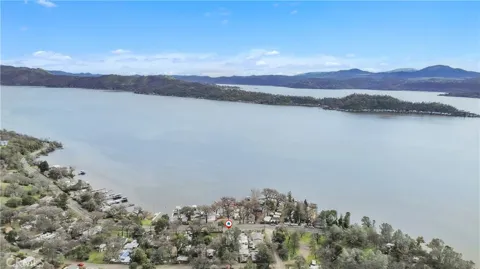
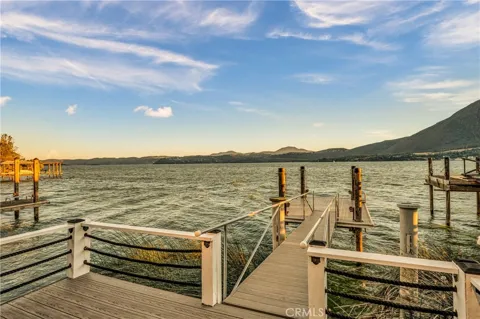
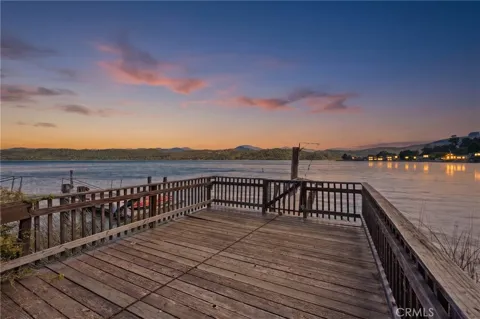
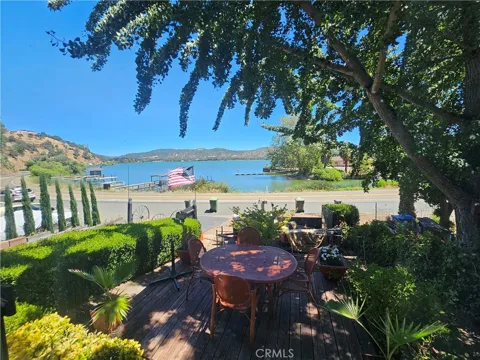
Clearlake sits on the eastern shore of Clear Lake, the largest natural freshwater lake located entirely within California. The lake is widely known as a premier destination for largemouth bass fishing, along with boating, swimming, and other water sports.
Clearlake is served by the Konocti Unified School District, which also covers Clearlake Oaks, Lower Lake, Spring Valley, and part of Cobb Mountain. The district operates elementary schools, Lower Lake High School, and alternative education programs.
Outdoor recreation centers on Clear Lake and its parks. Clear Lake State Park offers swimming, boating, and fishing, while Anderson Marsh State Historic Park, between Clearlake and Lower Lake, protects wetlands and archaeological sites with a history spanning thousands of years.
Clearlake had a population of 16,685 people in the 2020 U.S. census, an increase from 15,250 recorded in 2010. The city incorporated on November 6, 1980, and sits at an elevation of about 1,417 feet along the eastern shore of Clear Lake in Lake County, California.
City Guide
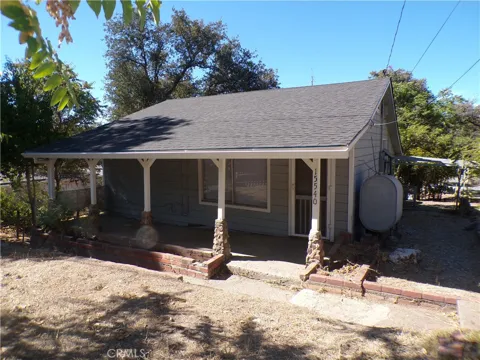
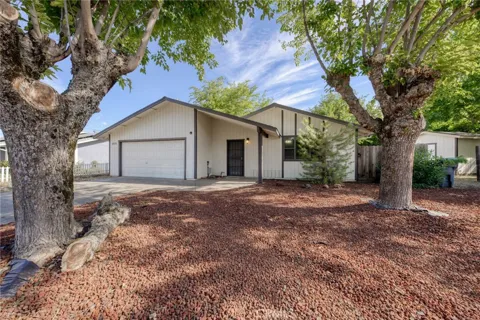
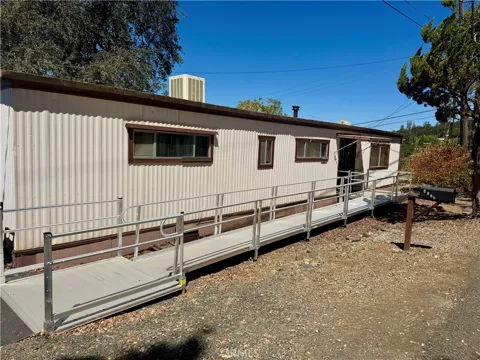
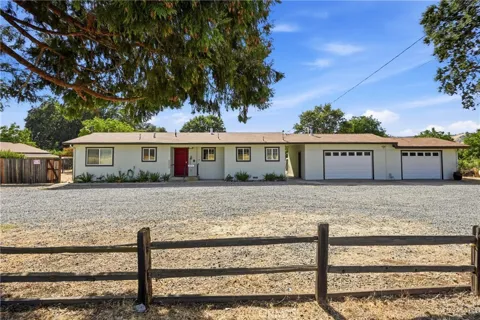
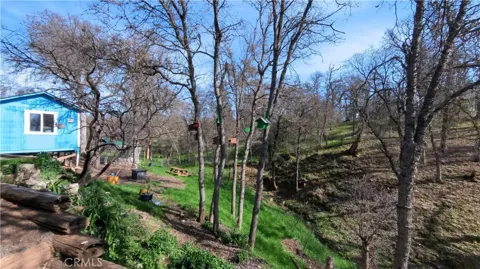
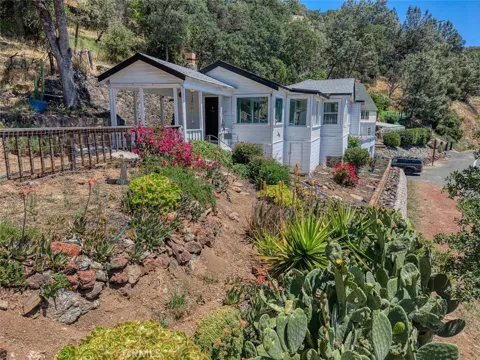
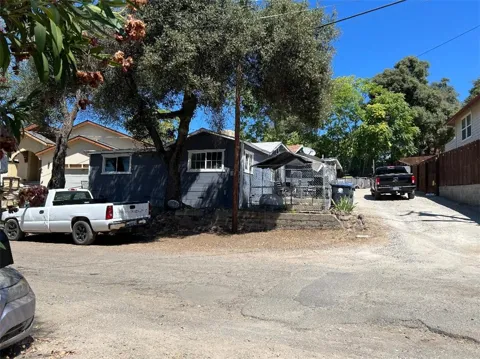
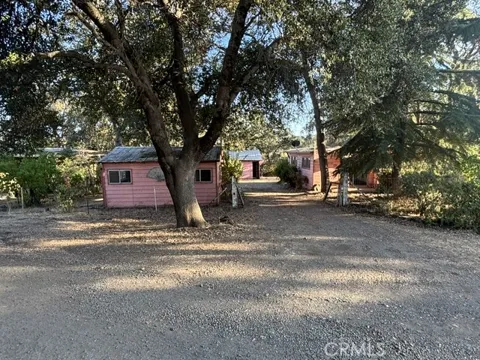
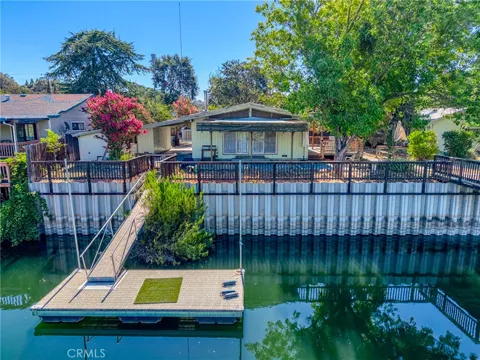
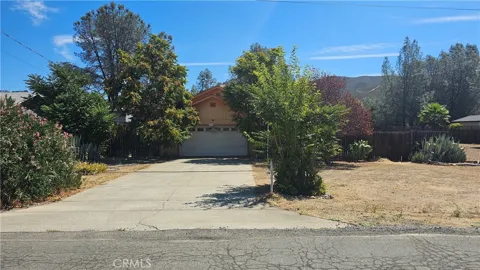
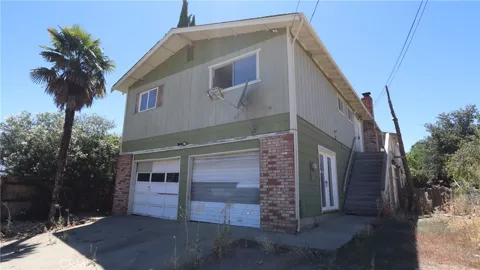
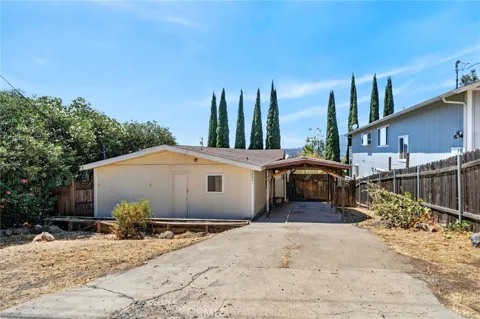
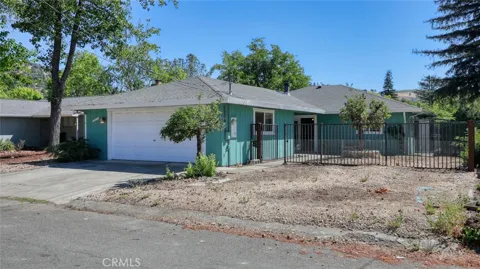
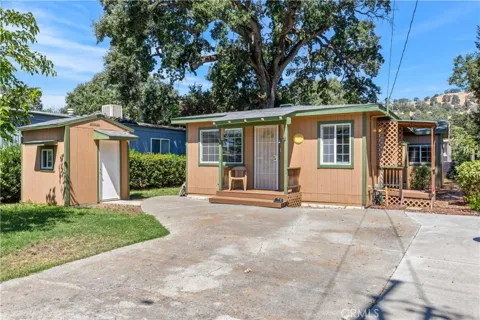
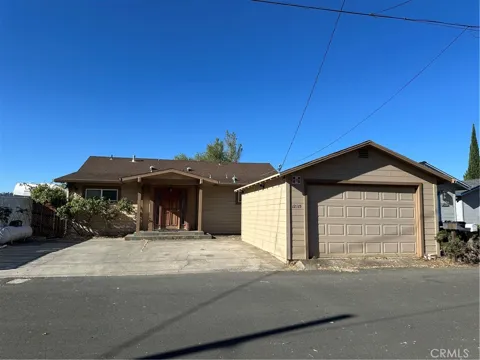
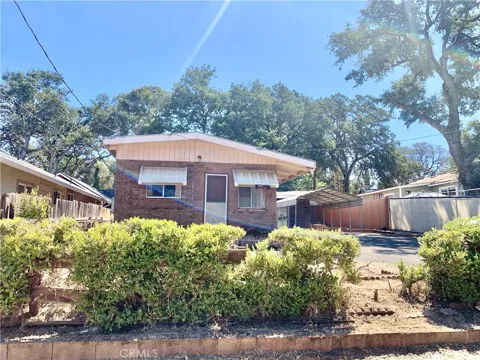
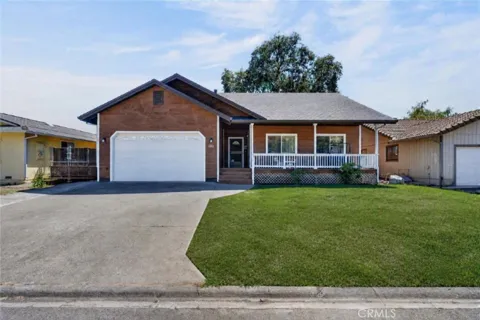
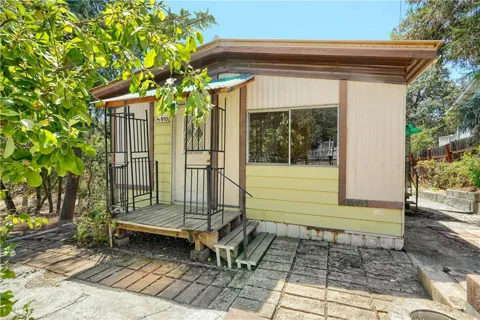
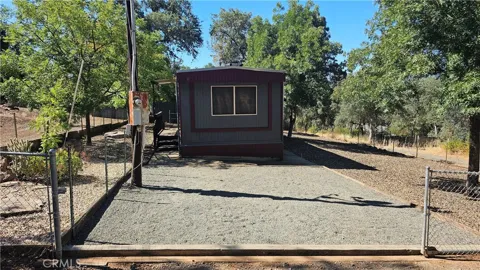
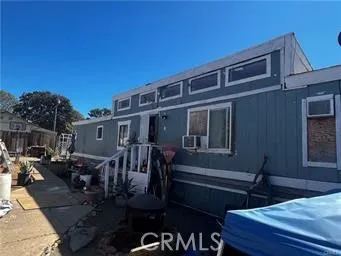
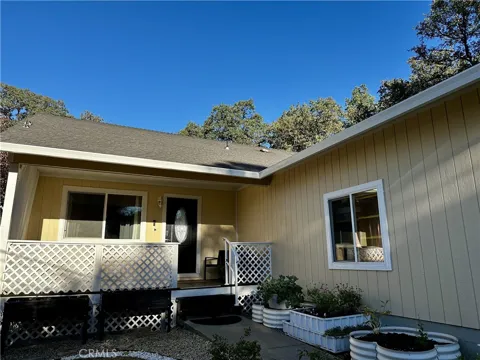
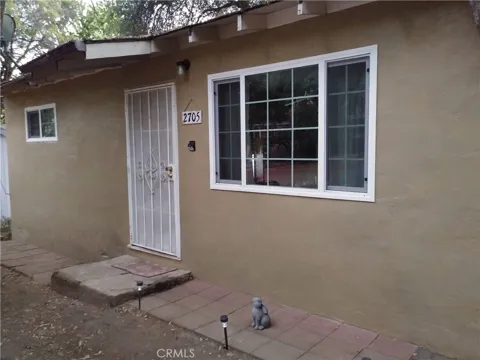
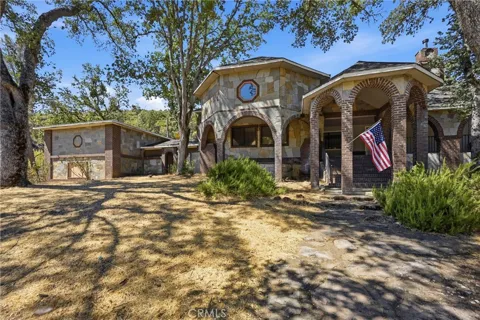
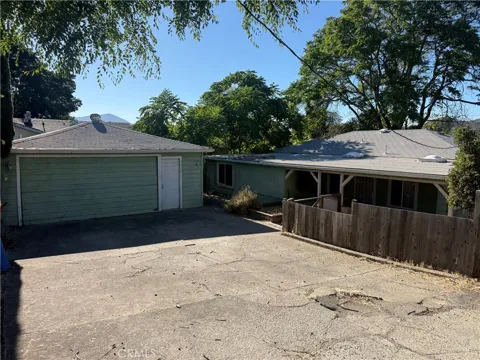
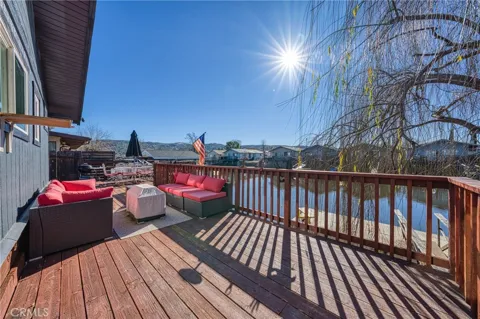
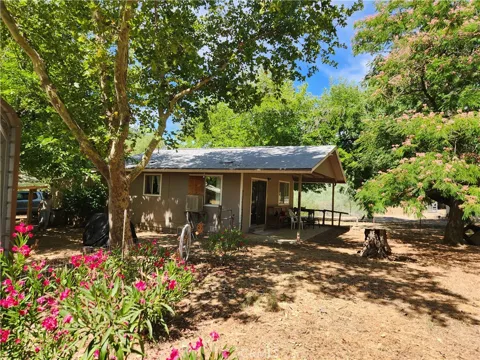
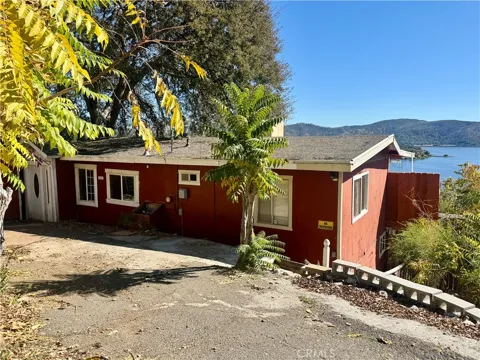
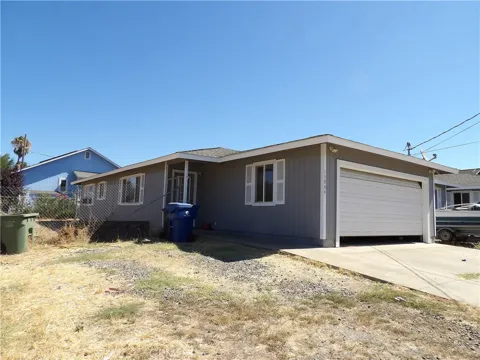
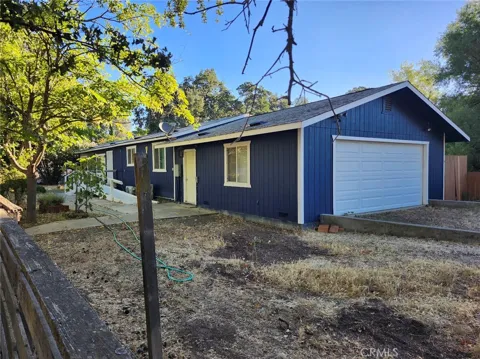
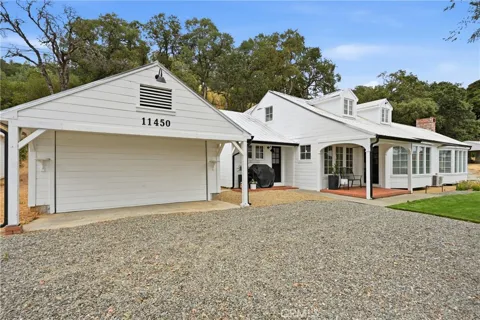
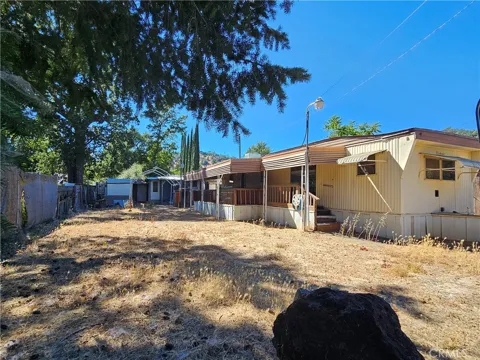
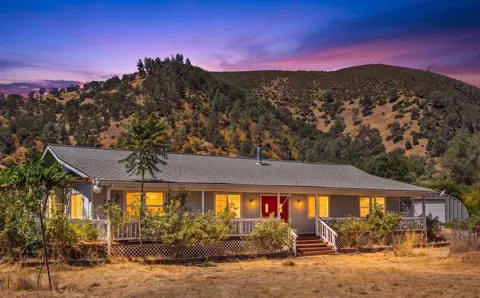
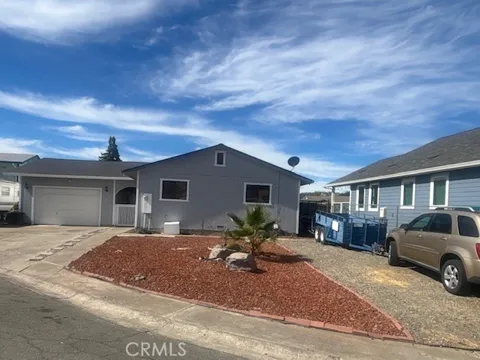
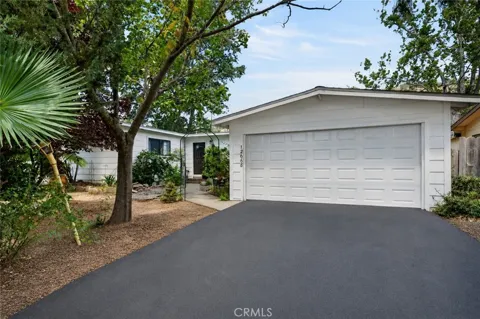
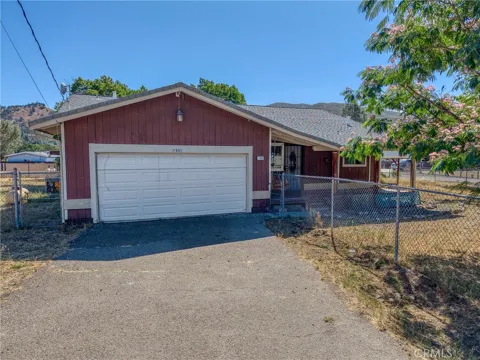
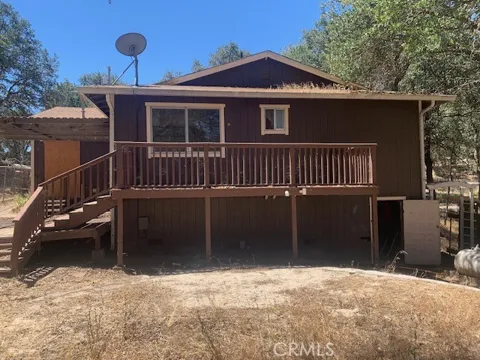
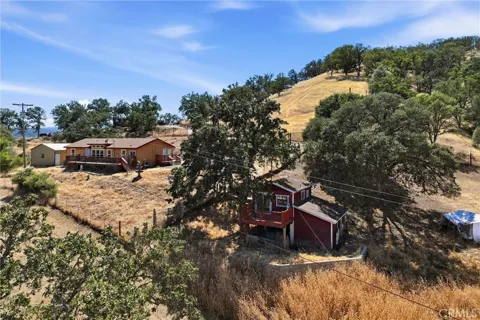
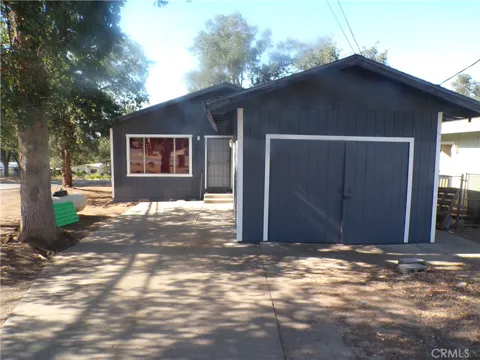
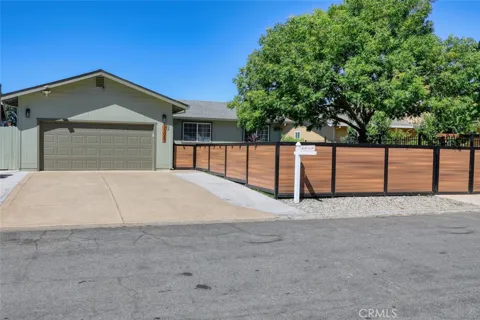
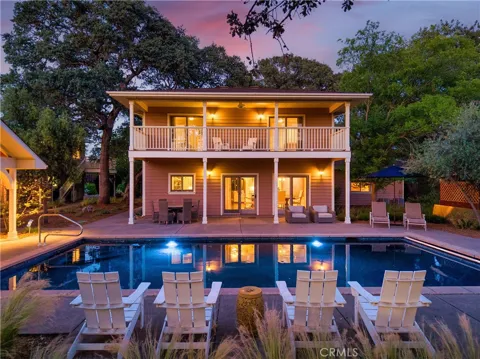
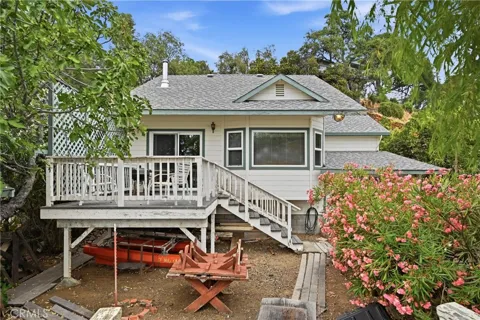
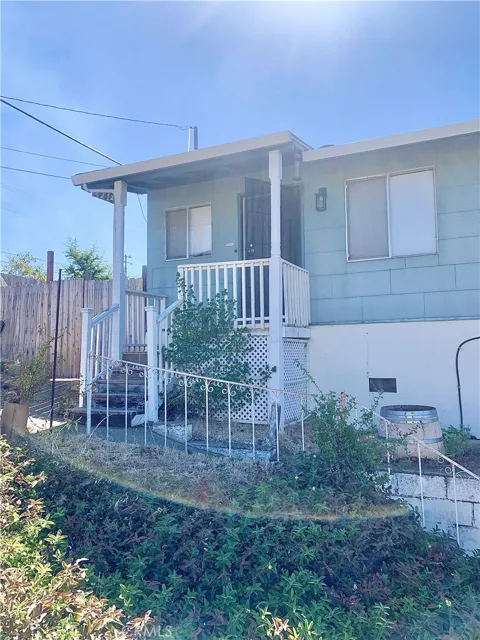
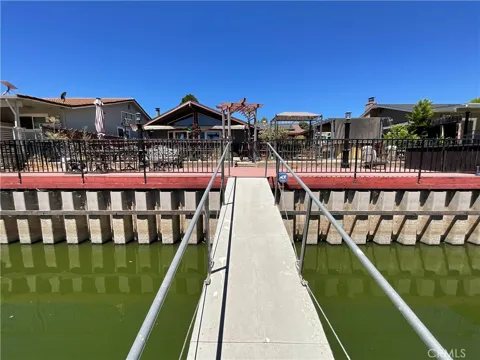
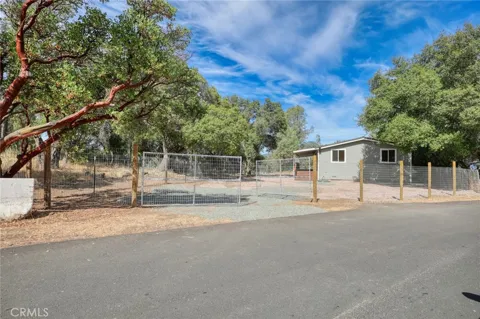
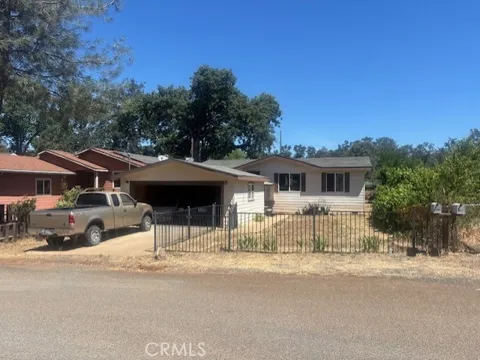
Clearlake's housing stock is notably diverse for a small lake community. The city includes older, prewar and mid-century homes, a substantial share of manufactured and mobile homes, and newer site-built subdivisions, many set along hilly, tree-lined roads with intermittent lake and mountain views. Waterfront and water-view properties run along the Clear Lake shoreline, while inland neighborhoods offer larger lots at generally modest prices by California standards. The mix of housing types means the city serves a broad range of buyers, from full-time residents tied to local healthcare and retail jobs to seasonal and recreational owners seeking lake access. Its affordability relative to the rest of the state is a defining feature of the local market character.
Clearlake's neighborhoods spread across the city's hilly eastern shoreline and the flatlands near Clear Lake. Well-known areas include Clear Lake Park, close to the lakefront and recreation, and Clearlake Highlands, which occupies higher ground with broader views. The Clearlake Avenues form a grid of older residential streets east of Highway 53, while Highlands Harbor and Clearlake Southwest offer a mix of established and newer homes. Downtown Clearlake anchors commercial activity along the main highway corridor. Because development follows the lake's irregular edge, many neighborhoods have an informal, semi-rural layout, with a patchwork of lakeside, hillside, and inland lots that give each pocket a slightly different character and price point.
Clearlake's lifestyle is defined by the lake and a relaxed, small-town rhythm. Boating, fishing, and lakeside gatherings anchor weekends, and the region's reputation as one of the best largemouth bass fisheries in the West draws anglers year-round. Downtown Clearlake offers everyday retail and services along the Highway 53 corridor, while the surrounding Lake County wine country and the proximity of the Napa Valley provide occasional day-trip escapes. The community has a rural, unpretentious character, with many residents drawn by lower-cost lakefront living and access to outdoor recreation rather than urban amenities. It suits those seeking a slower pace, wide-open water views, and a connection to one of California's most distinctive natural lakes.
Clearlake is served by the Konocti Unified School District, which also covers the neighboring communities of Clearlake Oaks and Lower Lake, plus Spring Valley and a portion of Cobb Mountain. The district operates a network of elementary schools, Lower Lake High School, and alternative education programs, giving families a single-district pathway from kindergarten through high school. Because Lake County is rural and spread out, school campuses serve a wide geographic area, and some students travel between lake communities. Families considering Clearlake should evaluate individual school programs directly, as the district's schools vary in size and offerings across its several towns. The city's modest population means classrooms are generally small by metropolitan standards.
Clearlake's transportation spine is State Route 53, part of which is known as the Clearlake Expressway. The highway runs north-south through the city east of Clear Lake, linking Clearlake to State Route 20 and State Route 29, the county's two primary corridors to the wider region. This places the city within reach of Lakeport, the county seat, and provides routes toward the Napa Valley and the San Francisco Bay Area beyond. Lake Transit operates local and intercity bus service connecting Clearlake, Lower Lake, and other Lake County communities. Driving is the dominant mode, and the region's mountain roads can add travel time in winter weather, but the highway network keeps Clearlake accessible to the rest of the county and Northern California.
Recreation in Clearlake begins with Clear Lake itself. Clear Lake State Park, on the lake's eastern edge, is a hub for swimming, fishing, boating, and water-skiing, with anglers targeting largemouth bass, crappie, bluegill, and channel catfish. Anderson Marsh State Historic Park, between Clearlake and Lower Lake on State Route 53, preserves wetlands and Native American heritage sites with a history spanning some 14,000 years, offering trails and wildlife viewing. The lake's 100-plus miles of shoreline support marinas, fishing piers, and launch ramps, while the surrounding mountains of the Coast Range add hiking and scenic drives. The city's lakefront parks and picnic grounds make the water a daily, year-round amenity for residents rather than a seasonal attraction.
MARKET SNAPSHOT
How homes have been selling here over the last 90 days.
Market data reflects closed sales over the last 90 days and is provided for informational purposes.
BROWSE BY ZIP
Browse listings by postal code in this area.