Hillside City on the Peninsula
Welcome to Belmont, a hillside city on the San Francisco Peninsula between San Francisco and San Jose, where mid-century neighborhoods climb from the bay toward wooded open space.
Belmont occupies a sliver of the San Francisco Peninsula between the Bay shoreline and the foothills of the Santa Cruz Mountains, roughly 25 miles south of San Francisco and a similar distance north of San Jose. The city's name — Italian for "beautiful mountain" — reflects a setting that rises from bayside flats through tree-covered hillsides, a geography that shapes both its neighborhoods and its character. Incorporated in 1926, Belmont grew from an earlier estate-and-farm era into a residential community whose center of gravity shifted toward the postwar subdivisions that now cover much of its hills. The city's modern identity is quietly suburban and family-oriented. Its location between El Camino Real and Interstate 280 places residents within easy reach of Silicon Valley employment centers to the south and San Francisco to the north, while Highway 92 climbs west over the hills toward Half Moon Bay and the coast. The economy of the city itself is modest — schools, city services, and local retail — but its residents are overwhelmingly commuters tied to the wider Bay Area economy, including the technology and life-sciences corridor around Redwood City, San Carlos, and Menlo Park. Belmont's history lingers in its landmarks. Ralston Hall, the Italianate mansion built in 1868 for Bank of California founder William Chapman Ralston, sits at the heart of Notre Dame de Namur University and is a National Historic Landmark. The university's presence gives the west side of town a leafy, institutional calm. Elsewhere, the downtown along Ralston Avenue and El Camino Real remains modest and service-focused, anchored by Twin Pines Park and City Hall. Who Belmont suits is straightforward: it draws families and professionals who want well-regarded schools, hillside views, and a short Caltrain ride to work, while accepting a relatively low-key commercial core in exchange for quiet, established streets.
Belmont is in San Mateo County, California, on the San Francisco Peninsula between San Francisco and San Jose. The city lies between El Camino Real and Interstate 280, with Highway 101 and the San Francisco Bay shoreline just to the east.
Elementary and middle school students attend the Belmont-Redwood Shores School District, a K-8 district serving Belmont and Redwood Shores. High school students are served by the Sequoia Union High School District, with most attending Carlmont High School.
Belmont sits roughly 25 miles south of San Francisco and a similar distance north of San Jose. Caltrain provides direct rail service from the Belmont station to both cities, and the city is convenient to Interstate 280, Highway 101, and San Francisco International Airport.
Belmont is known for its hillside setting and for Ralston Hall, the 1868 Italianate mansion built for banker William Chapman Ralston that now anchors the campus of Notre Dame de Namur University. The mansion is a National Historic Landmark.
Yes. Belmont has a Caltrain station that has been a stop on the Peninsula rail corridor since the San Francisco and San Jose Railroad began service in the 1860s. The current elevated station was completed in 1997.
City Guide
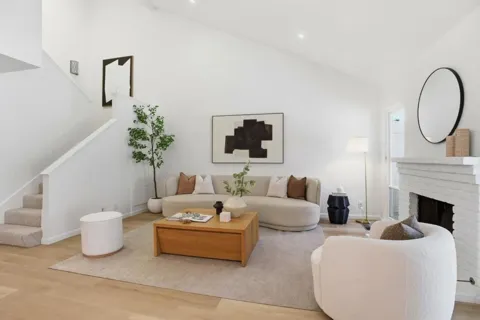
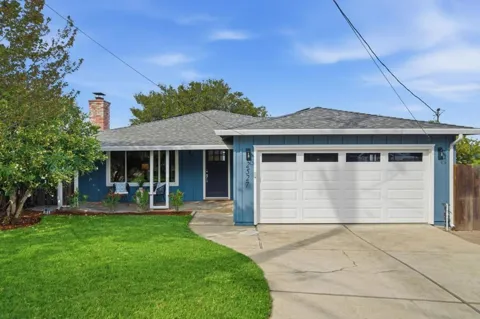
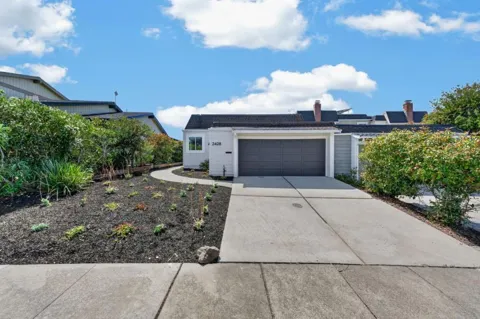
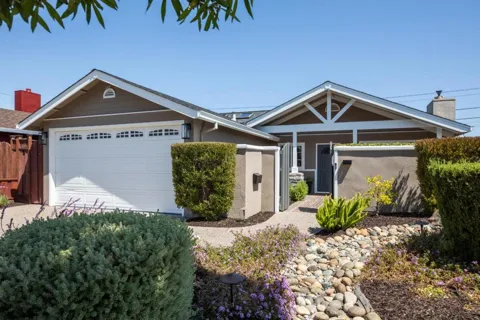
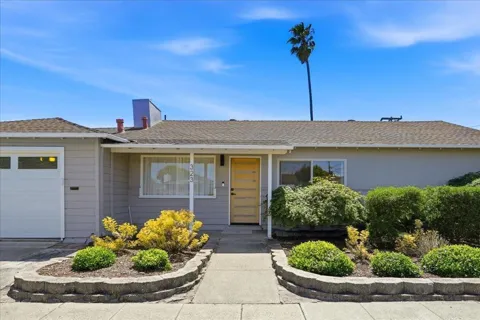
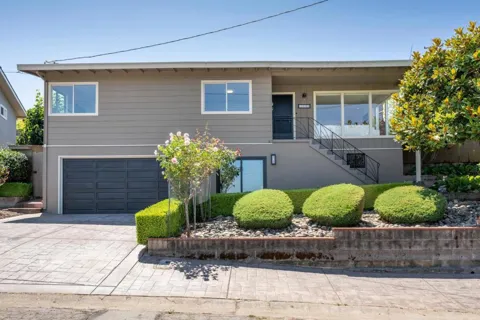
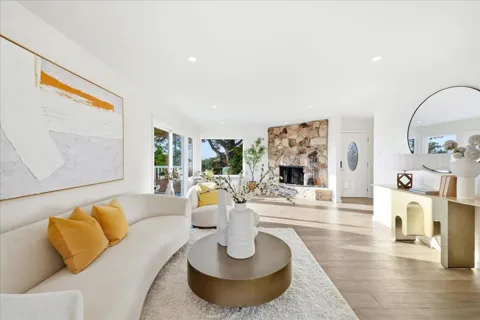
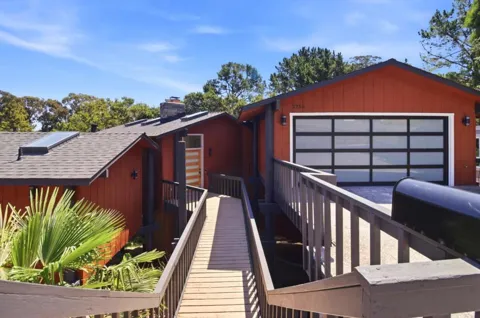
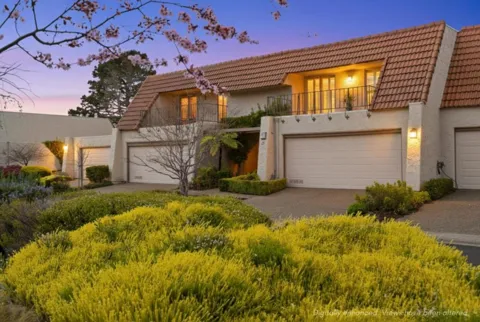
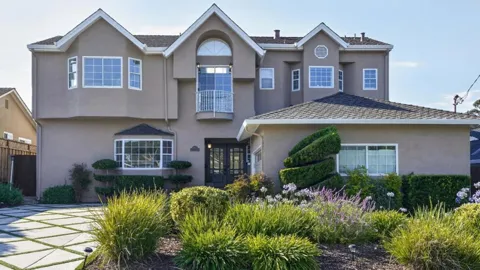
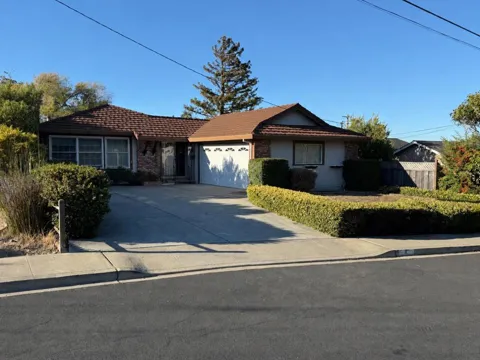
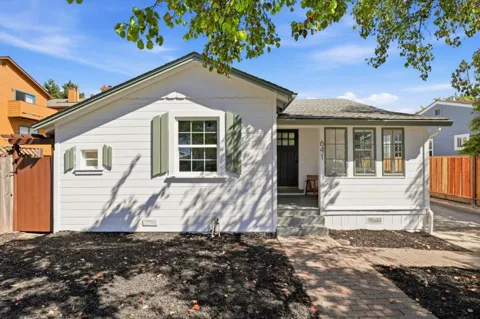
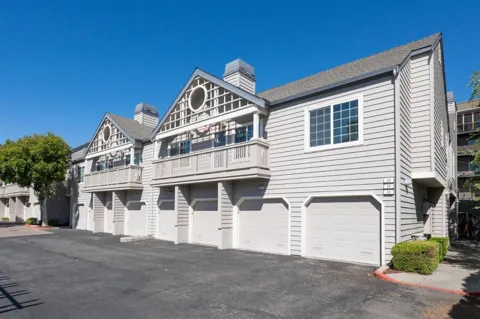
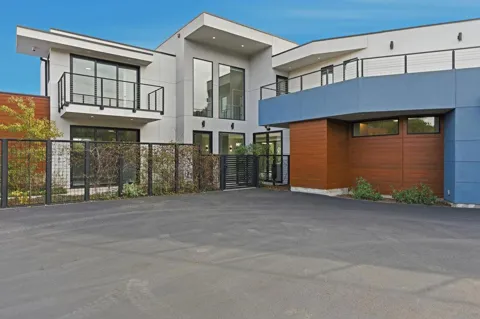
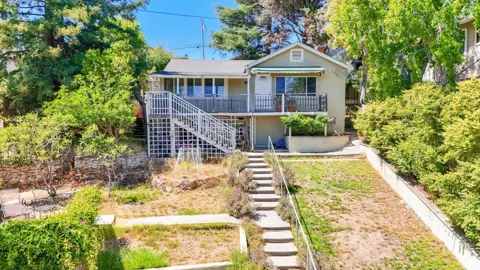
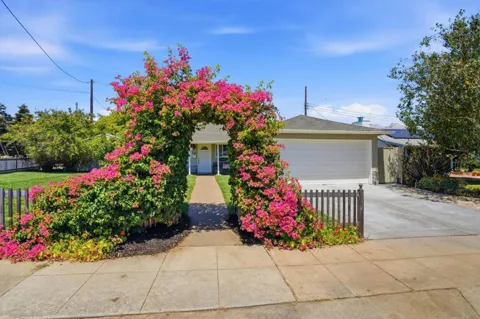
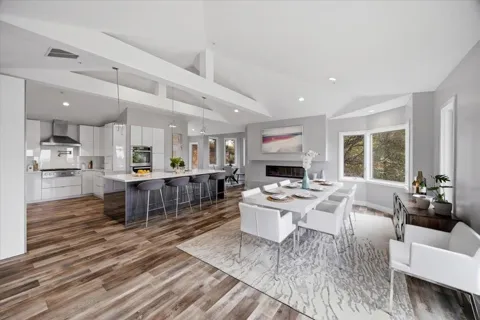
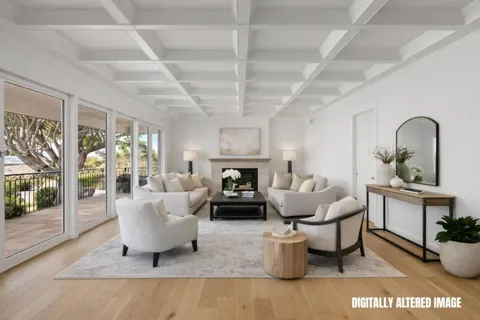
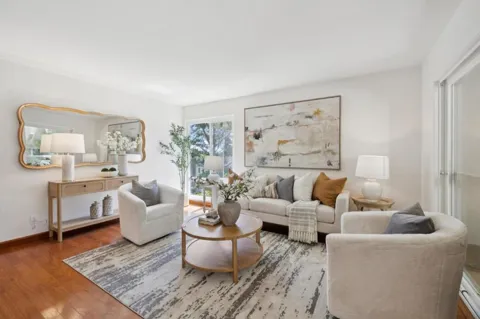
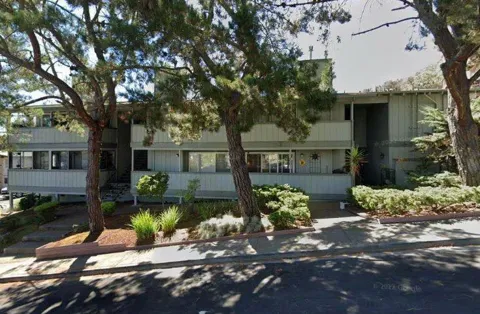
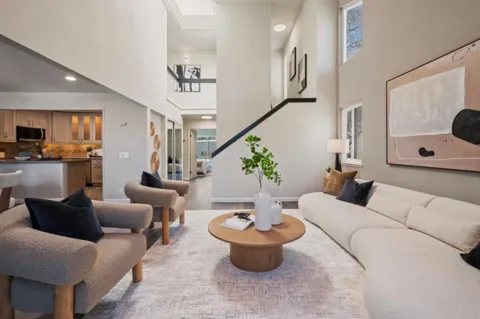
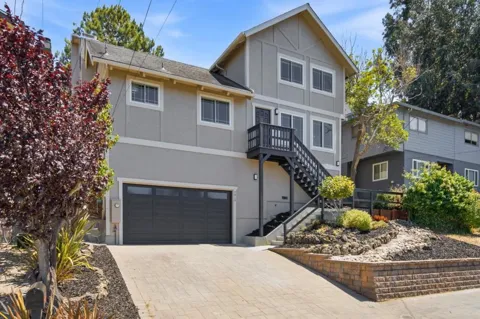
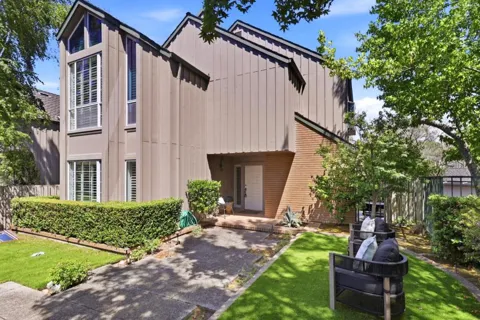
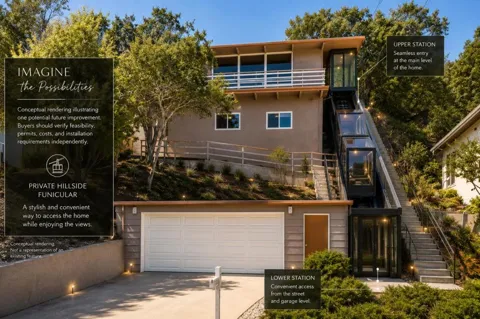
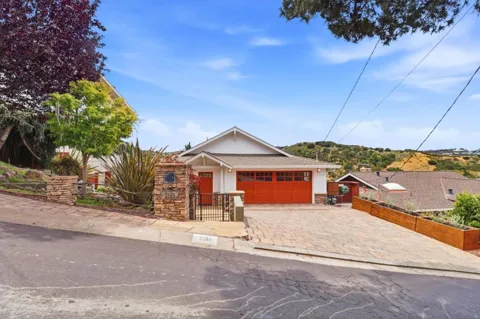
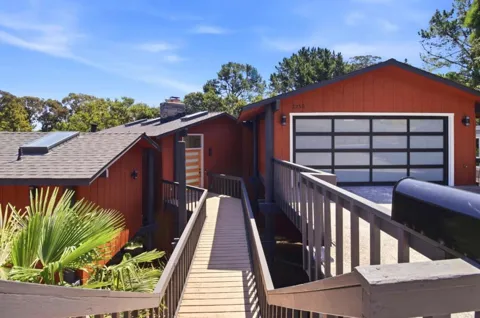
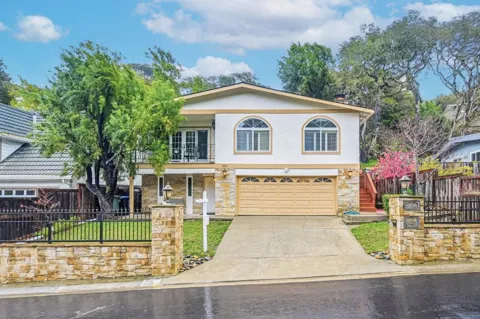
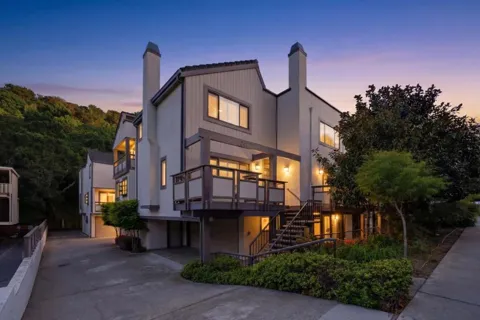
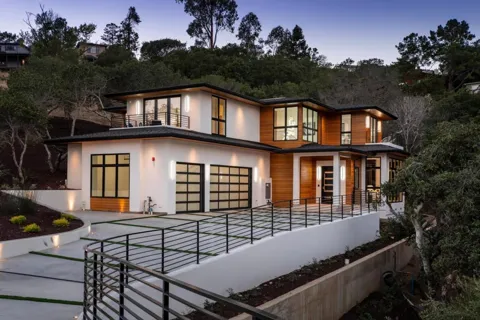
Belmont's housing stock is dominated by single-family homes built in the post-World War II decades, with much of the Cipriani and central Belmont areas developed between the 1950s and 1970s. The result is a mix of mid-century ranch and split-level homes on modest to generous lots, many set on gently sloping streets with Bay or hillside views. Older pre-war homes cluster near the original downtown and along El Camino Real, while a smaller inventory of attached housing and apartments is concentrated near the Caltrain station and the Ralston Avenue corridor. Streets are mature and heavily treed, and the overall character is established suburban rather than new construction.
Belmont's neighborhoods climb from the bayside flats into the coastal hills. The central part of the city — the Cipriani district and the older streets around Twin Pines Park and Ralston Avenue — holds the densest concentration of mid-century homes and sits closest to downtown, schools, and the Caltrain station. To the west, neighborhoods rise toward Ralston Hall and the Notre Dame de Namur University campus, where larger lots and hillside streets open onto long views of San Francisco Bay and the East Bay hills. Streets nearest Highway 101 and the bayfront are flatter and more urban, blending into the commercial corridor along El Camino Real.
Belmont's lifestyle is suburban and outdoors-oriented, with a strong emphasis on schools and neighborhood recreation. Weekday rhythms revolve around the Caltrain commute and school drop-offs, while weekends fill with hikes in the surrounding open space and trips down the hill to the restaurants and shops of San Mateo, San Carlos, and Redwood City. The city's commercial scene is deliberately modest — a farmers market, a handful of local restaurants along El Camino Real, and the Twin Pines Park grounds that host community gatherings. Residents who want more bustle are a short drive or train stop away, which keeps Belmont feeling calm while remaining connected.
Belmont's public schools are a central reason families choose the city. Elementary and middle school students attend the Belmont-Redwood Shores School District (BRSSD), a K-8 district serving Belmont and neighboring Redwood Shores. High school students move on to the Sequoia Union High School District, with most attending Carlmont High School, which serves Belmont and portions of San Carlos. Notre Dame de Namur University, which traces its California roots to 1851, occupies the historic Ralston estate on the city's west side and lends Belmont an academic presence beyond its K-12 system. A mix of private and parochial options rounds out the local landscape.
Belmont sits squarely on the Peninsula's transportation spine. Caltrain's Belmont station, a stop on the corridor since the San Francisco and San Jose Railroad began service in the 1860s, offers direct rail access to San Francisco, the Peninsula, and San Jose. SamTrans buses and Commute.org shuttles serve the station and surrounding streets. For drivers, El Camino Real runs the length of the city, with Interstate 280 just west and Highway 101 just east; Highway 92 connects Belmont over the hills to Half Moon Bay and the coast. San Francisco International Airport lies roughly 10 miles north along the 101 corridor.
Outdoor recreation threads through daily life in Belmont. Waterdog Lake and Open Space, named for a local salamander species, offers a network of trails through the hills, while Twin Pines Park in the heart of the city follows a creek and provides picnic areas, rental facilities, and the site of City Hall and the Parks and Recreation Department. The city's hill-and-bay geography keeps hiking and ridgeline views close at hand, and the broader Peninsula and Bay shoreline offer additional walking and cycling routes within a short drive.
MARKET SNAPSHOT
How homes have been selling here over the last 90 days.
Market data reflects closed sales over the last 90 days and is provided for informational purposes.
BROWSE BY ZIP
Browse listings by postal code in this area.