Mojave Desert Rail & Route 66 Hub
A desert crossroads in San Bernardino County, where Route 66 history meets a rail and logistics economy on the edge of the Mojave National Preserve.
Barstow sits in the high Mojave Desert of San Bernardino County, roughly midway between Los Angeles and Las Vegas along Interstate 15. It is a genuine crossroads town: two major interstates, a major freight railroad, and the historic alignment of U.S. Route 66 all converge here, and the city has long functioned as a supply and service point for travelers crossing the desert. The community traces its origins to the 1880s, when silver discoveries in the nearby Calico Mountains drew prospectors. The settlement was first known as Fishpond and later Waterman Junction before being renamed in 1886 to honor William Barstow Strong, then president of the Santa Fe Railway. The railroad's decision to make Barstow a division point cemented the town's role as a transportation hub, and the flow of automobiles along Route 66 kept the local economy alive through the middle decades of the twentieth century. Today Barstow's economy is built on transportation, logistics, and the military. The Marine Corps Logistics Base Barstow is a major regional employer, and the city functions as a distribution center for goods moving between the ports of Southern California and the interior West. Barstow Community College provides higher education and workforce training for the region, serving students from across the high desert. Life in Barstow is defined by the desert landscape. The city offers affordable living within commuting distance of larger employment centers, and it appeals to people who value open space, clear skies, and direct access to the Mojave's public lands. Residents are accustomed to a slower pace, a strong connection to the region's railroad and Route 66 heritage, and the practical reality of a desert climate with hot summers and cool, clear winters.
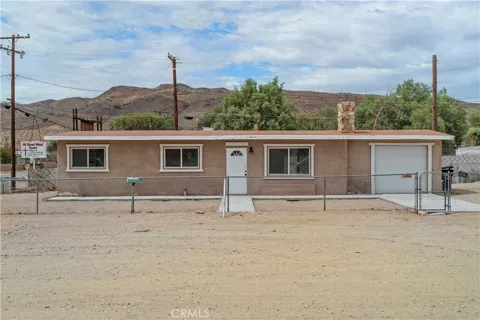
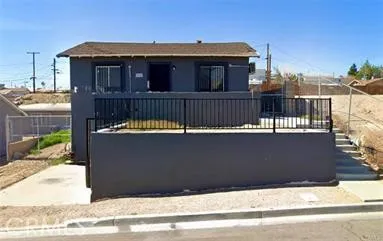
Barstow is located in San Bernardino County, California, in the high Mojave Desert region of Southern California's Inland Empire. The city sits at a major crossroads where Interstate 15, Interstate 40, a key freight rail corridor, and the historic alignment of U.S. Route 66 all come together.
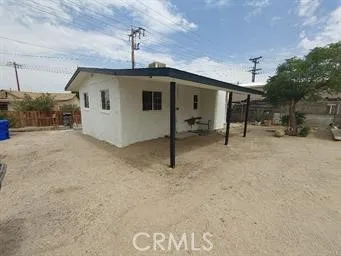
Barstow is known as a historic railroad and Route 66 crossroads. It grew from an 1880s silver-mining settlement and a Santa Fe Railway division point, and today its Route 66 Mother Road Museum and Western America Railroad Museum are both housed in the historic Casa del Desierto Harvey House, which opened in 1911.
Barstow sits roughly midway between Los Angeles and Las Vegas along Interstate 15, making it a common stopping point for travelers crossing the Mojave Desert between the two cities. Interstate 40 also begins near Barstow and heads east toward Arizona and the central United States.
Barstow is served by the Barstow Unified School District for kindergarten through twelfth grade. Higher education is provided by Barstow Community College, which offers academic transfer programs and vocational workforce training for the surrounding high desert region.
Barstow is close to the Mojave National Preserve, one of the largest units of the National Park System in the contiguous United States, whose headquarters is in the city. Rainbow Basin National Natural Landmark and the restored Calico Ghost Town are also within a short drive, offering hiking, camping, and desert scenery.
City Guide
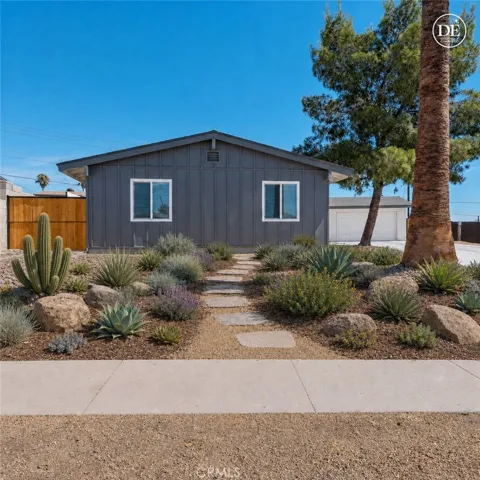
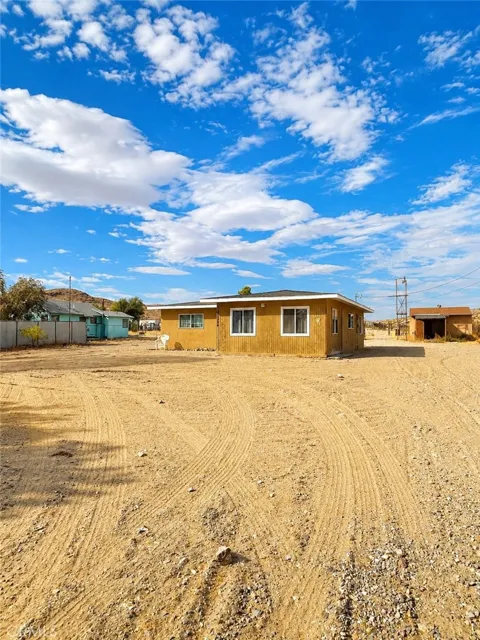
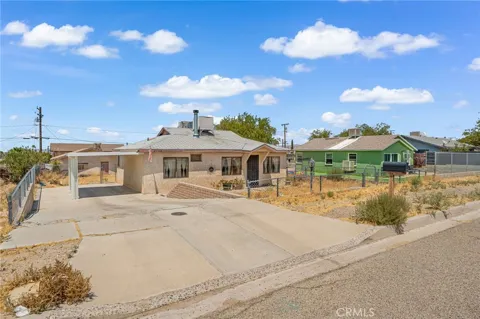
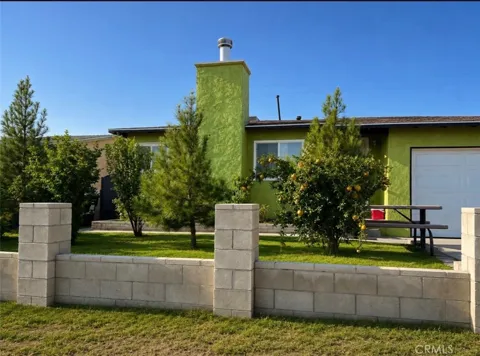
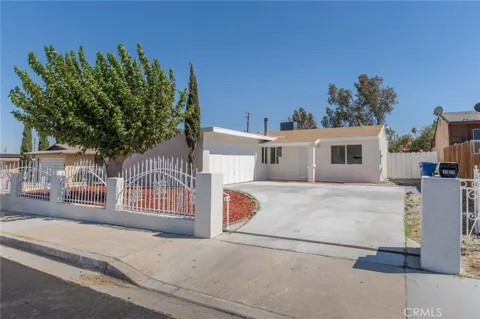
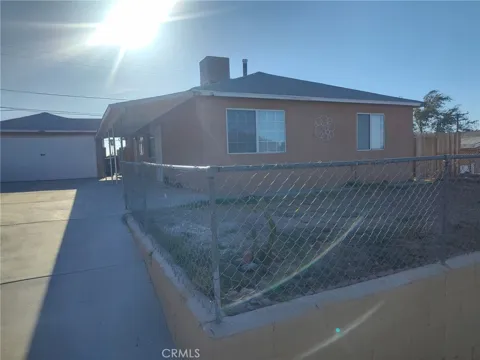
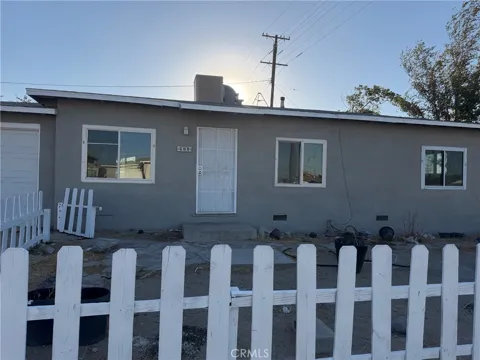
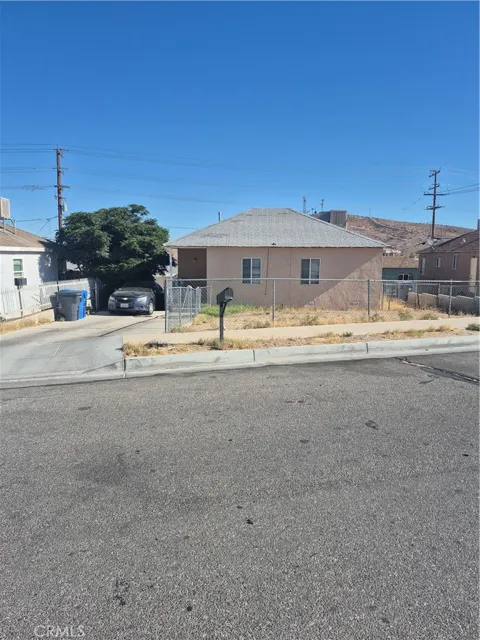
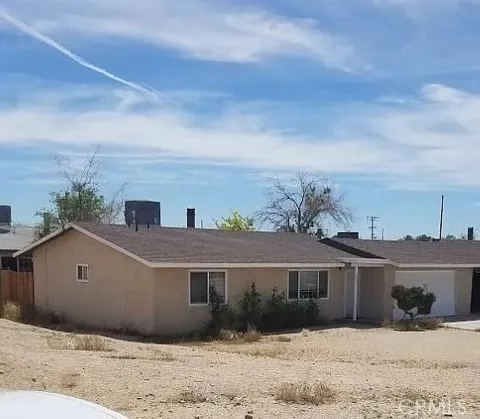
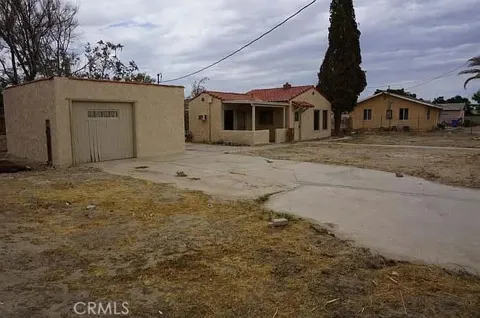
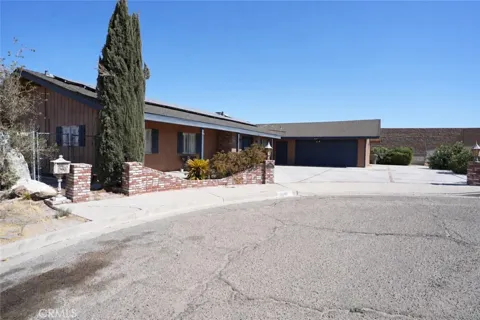
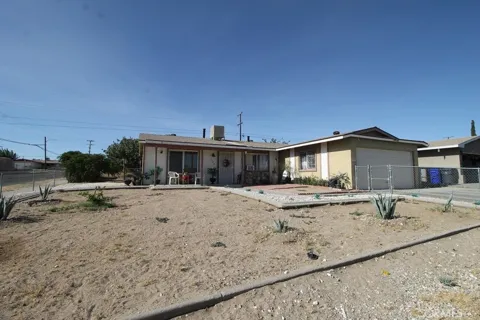
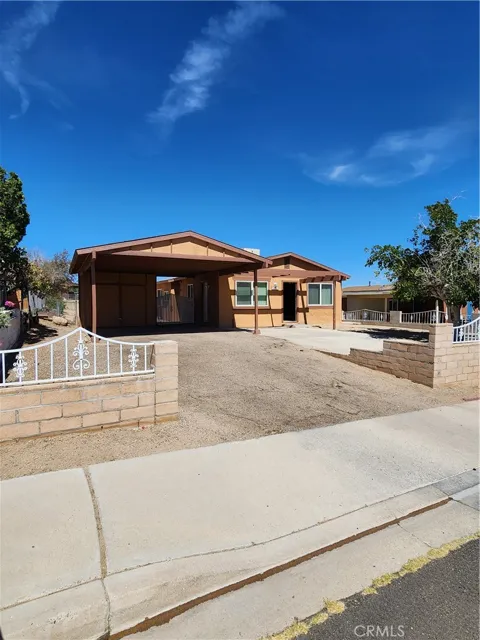
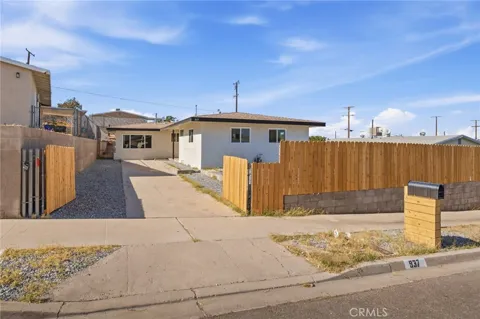
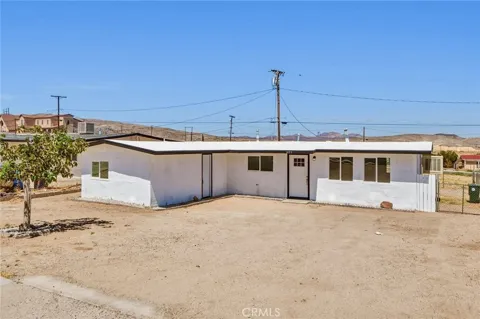
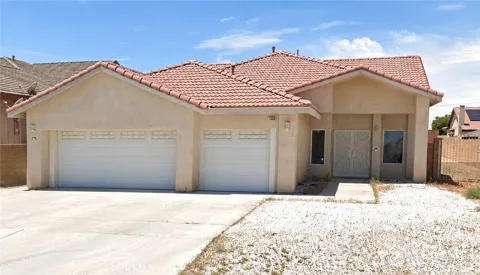
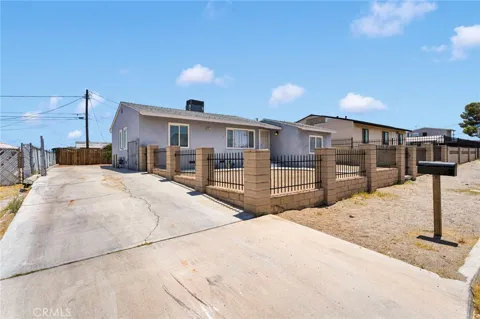
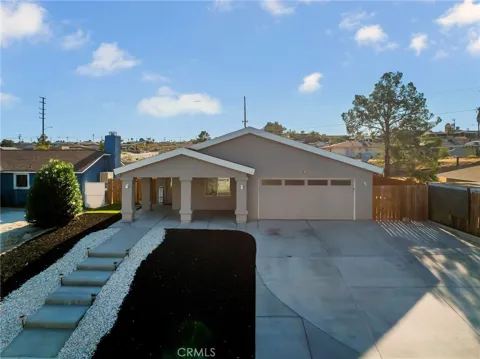
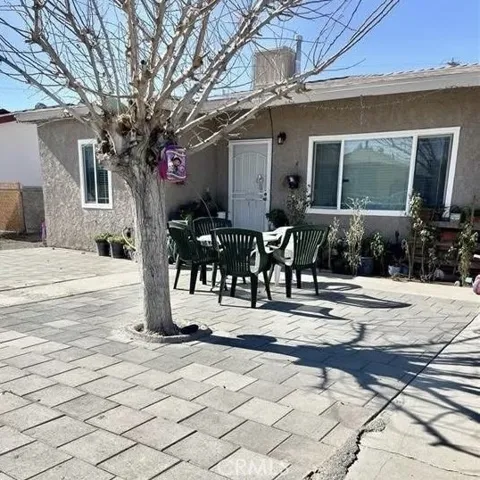
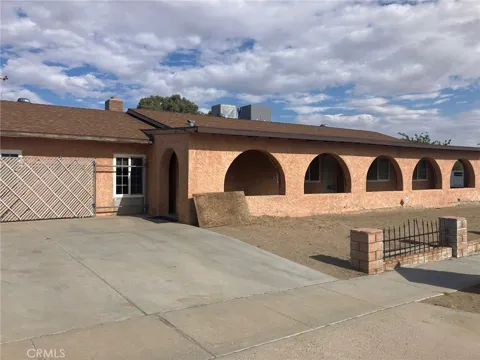
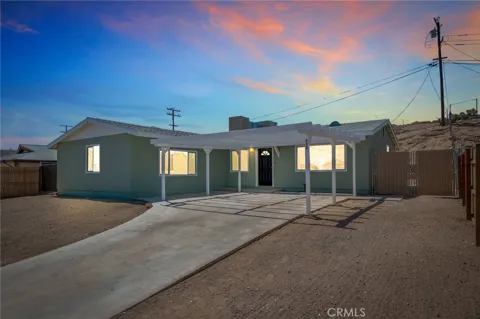
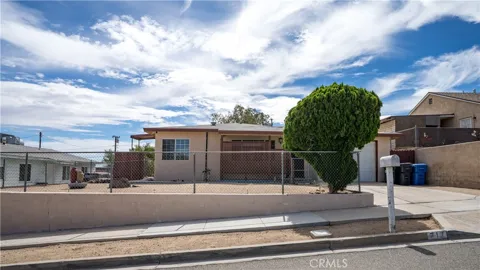
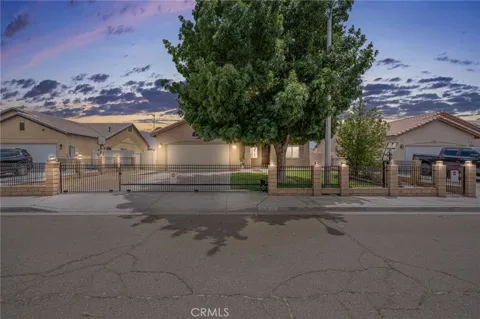
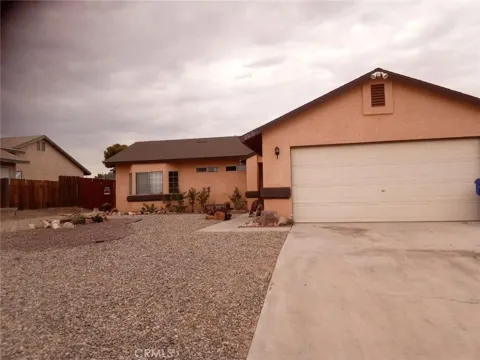
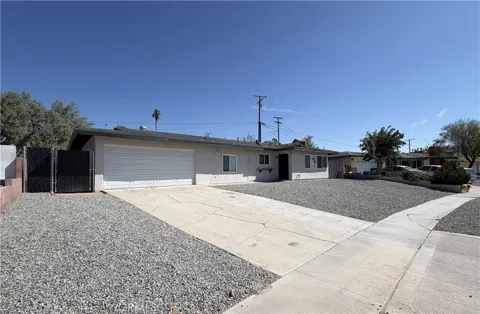
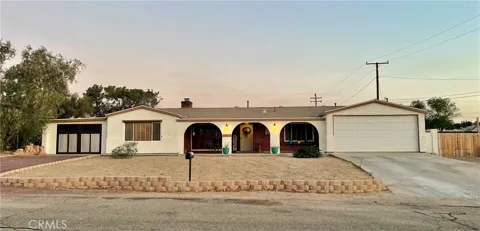
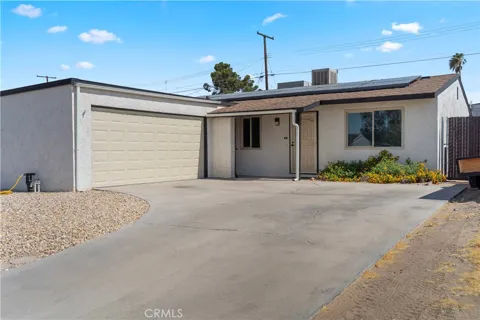
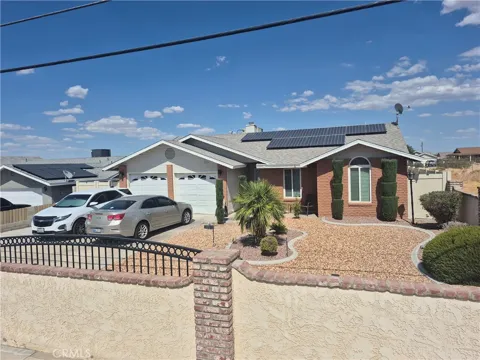
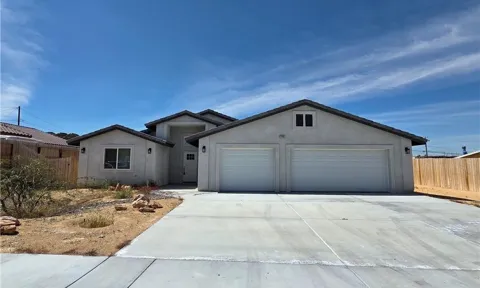
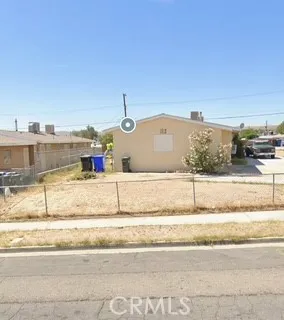
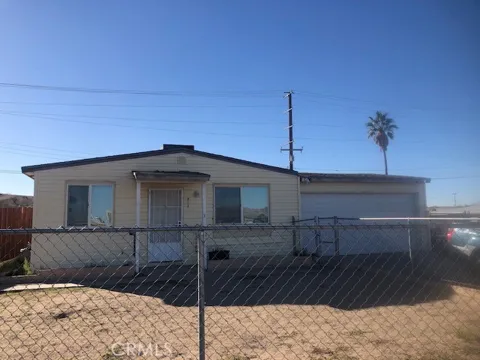
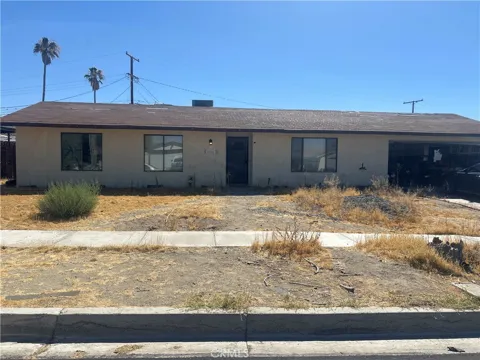
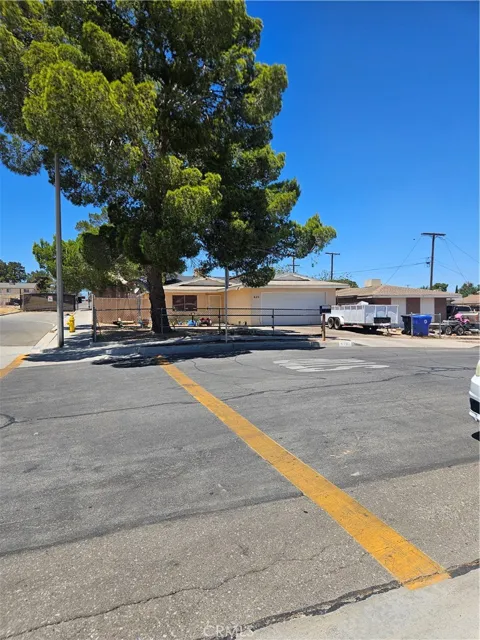
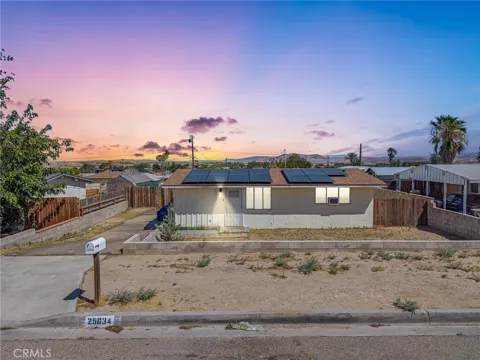
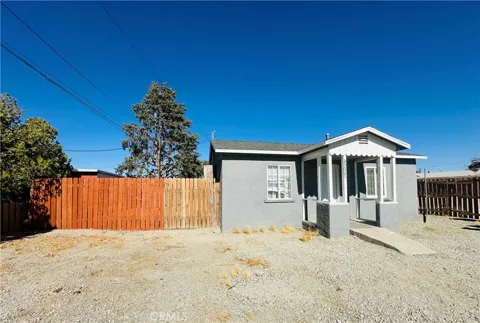
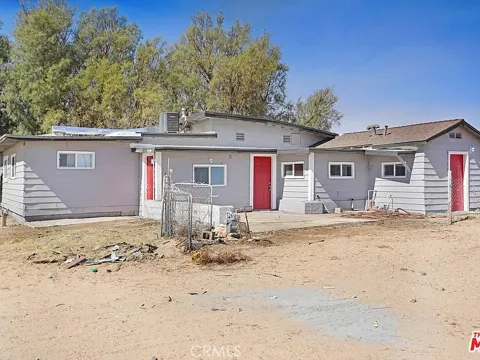
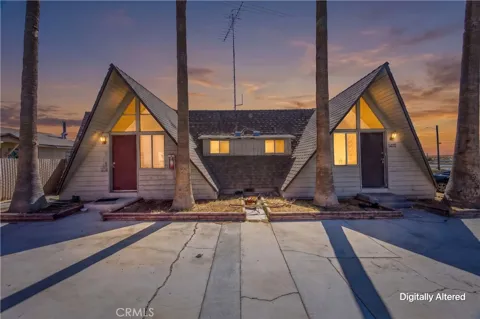
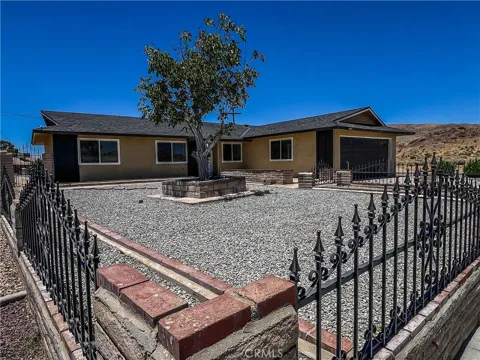
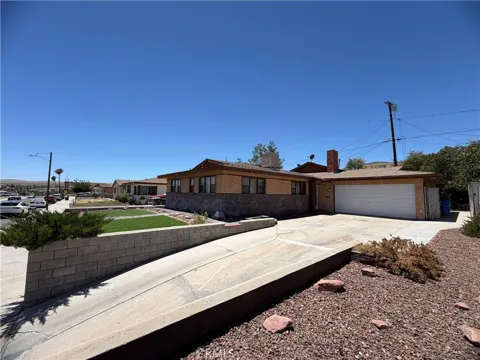
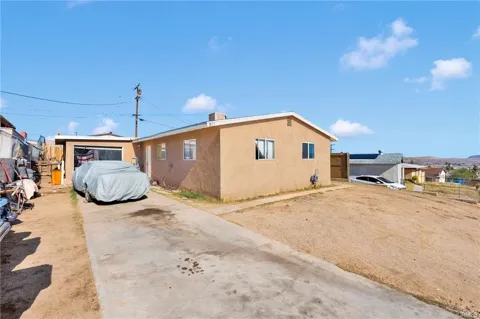
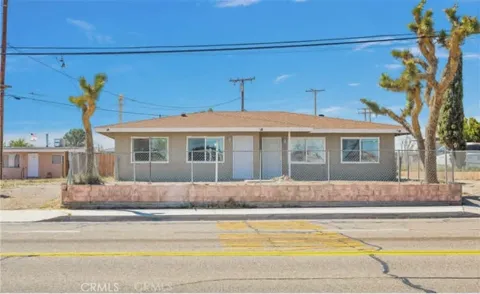
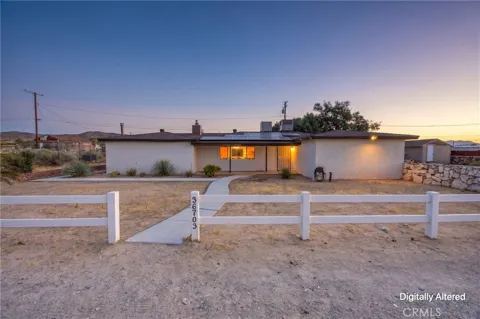
Barstow's housing stock reflects its railroad-and-desert origins. The older core of the city contains modest single-family homes and small bungalows built through the first half of the twentieth century, many near the historic downtown and rail yard. Outward from the center, the city grew in the post-war decades with ranch-style homes on larger desert lots, along with apartment complexes serving the military and logistics workforce. Newer subdivisions have added contemporary single-family construction on the city's edges. The overall character is unpretentious and functional rather than elaborate, with ample lot space in many neighborhoods and a housing market generally more accessible than California's coastal metros.
Barstow's neighborhoods are organized around the historic center and the corridors that radiate from it. The downtown and rail yard area retains the city's oldest character, including the Casa del Desierto Harvey House and the commercial blocks that grew up around the depot. Residential areas extend north and east toward the Interstate 15 corridor, where newer subdivisions and outlet shopping anchor the commercial fringe. Because the city functions as a regional service center, neighborhoods are a mix of long-established blocks and more recent development, with the surrounding desert and the Calico Mountains always visible on the horizon. The greater Barstow area also includes outlying communities along Route 66 and the interstate, extending the city's reach toward the rail and highway corridors that define it.
Barstow's identity is inseparable from the open road. Route 66 runs through the community's memory and its present, and the city leans into that heritage through its museums and its status as a stopping point for cross-country travelers. The Casa del Desierto Harvey House, built in 1911, anchors the historic core and holds both the Route 66 Mother Road Museum and the Western America Railroad Museum, drawing visitors interested in trains and the Mother Road. Outlet retail along the interstate brings steady regional traffic, while day-to-day life revolves around desert recreation, community events, and the rhythms of a working railroad town. It is a practical, history-minded community rather than a polished resort destination.
Public schools in Barstow are served by the Barstow Unified School District, which operates elementary, middle, and high schools for the city and the surrounding area. Higher education is anchored by Barstow Community College, a regional institution offering traditional academic transfer programs alongside vocational and workforce training, particularly in fields tied to the area's logistics, healthcare, and public-service employers. The college serves students from across the high desert and functions as an important piece of the region's long-term economic strategy, connecting residents to both local careers and four-year pathways.
Barstow is one of the Mojave Desert's principal transportation junctions. Interstate 15 passes through the city, carrying traffic between Southern California and Las Vegas and points east, while Interstate 40 begins nearby and heads toward Arizona and the central United States. The historic alignment of U.S. Route 66 runs through town and remains a draw for travelers. Freight rail is central to the city's identity: Barstow developed as a division point on the Santa Fe Railway, and the large BNSF rail yard continues to make it a key link in transcontinental freight movement. Commuters can reach the Victor Valley and points west along the interstates, though Barstow itself remains a self-contained employment and service center for the high desert.
Barstow sits at the doorstep of some of the Mojave Desert's most distinctive public lands. The Mojave National Preserve, one of the largest units of the National Park System in the contiguous states, lies to the east and offers hiking, camping, and sweeping desert vistas, with the preserve's headquarters located in Barstow. Just north of town, Rainbow Basin National Natural Landmark displays folded, multicolored badlands carved into ravines and pinnacles. To the northeast, Calico Ghost Town preserves a partially restored 1880s silver-mining settlement within the San Bernardino County Regional Parks system. Off-road riding, rockhounding, and stargazing round out a recreation profile built around wide-open desert space.
MARKET SNAPSHOT
How homes have been selling here over the last 90 days.
Market data reflects closed sales over the last 90 days and is provided for informational purposes.
BROWSE BY ZIP
Browse listings by postal code in this area.